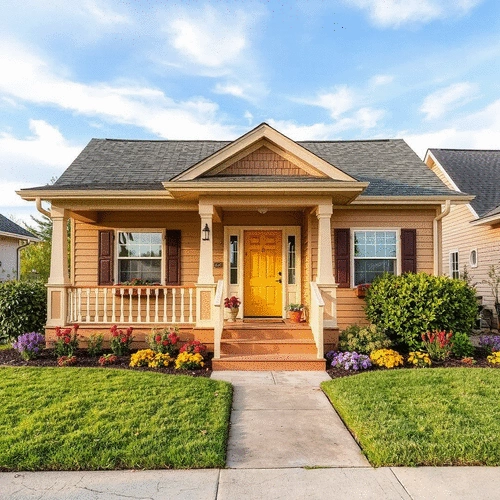
Have you ever wondered how a simple color choice can turn heads and create lasting impressions? The colors on your home’s exterior can do just that. Understanding the psychology of color and its impact on curb appeal is essential for any homeowner looking to enhance their property’s attractiveness and value.
What You Will Learn
- Curb appeal is crucial for creating a welcoming atmosphere and enhancing your home’s value.
- Different colors evoke specific emotions: warm colors create energy, while cool colors offer calmness.
- Avoid common mistakes in color selection by considering your home’s architecture and neighborhood aesthetics.
- Balance personal color preferences with the visual landscape of your neighborhood for cohesive appeal.
- Utilize virtual color simulators to visualize how different shades will look on your home.
- Before-and-after visuals can serve as powerful inspiration for your color transformations.
- A color wheel is a valuable tool for selecting complementary and contrasting colors for your home's exterior.
Impact of Color Choices on Curb Appeal
Explore how different color choices can enhance your home's first impression and overall curb appeal. For more ideas on how to improve your home's exterior, consider designing a welcoming home entrance.
Warm Colors
Evoke energy and excitement, creating a welcoming vibe with colors like soft yellows and rich reds.
Cool Colors
Create calmness and serenity with blues and greens, perfect for a tranquil atmosphere.
Neutral Colors
Add elegance and versatility with shades of gray, beige, and white for seamless integration.
Color Combination Tips
Use the color wheel to find harmonious matches, ensuring a visually striking exterior.
Understanding the Role of Color in Enhancing Curb Appeal
When it comes to your home, the first impression can make all the difference! That’s where the concept of curb appeal comes into play. It's not just about making your home look good; it’s about creating a welcoming atmosphere that reflects your style and the care you put into your property. From vibrant door colors to subtle trim accents, every choice you make contributes to your home's overall aesthetic.
But what exactly does curb appeal mean? Think of it as the attractiveness of your home when viewed from the street. It encompasses everything from landscaping to architectural elements, but color is one of the most impactful aspects. By choosing the right colors, you can significantly boost your home's visual appeal and even its value!
Defining Curb Appeal: What Does It Mean?
Curb appeal is all about making your home inviting and attractive. It’s the visual charm that draws people in and creates a positive impression. This can come from a variety of elements, including landscaping, the condition of your exterior surfaces, and yes, the colors you choose! For other ways to improve your home's exterior, read about enhancing curb appeal with trees.
Let’s delve into what contributes to curb appeal:
- Landscaping: Neatly trimmed bushes, colorful flowers, and a well-kept lawn.
- Exterior maintenance: Well-painted surfaces, clean windows, and a tidy porch.
- Architectural features: Unique designs, decorative elements, and structural integrity.
- Color choices: Harmonious palettes that reflect the home's character and surroundings.
The Psychological Impact of Color Choices on First Impressions
The colors you choose for your home can evoke specific feelings and reactions, both for you and for visitors! For instance, warm colors like reds and yellows create energy and excitement, while cool colors such as blues and greens convey calmness and serenity. Understanding these psychological impacts can guide your choices.
Consider these points when choosing colors:
- Warm Colors: These can make spaces feel cozy and inviting. Think about using soft yellows or rich reds for a welcoming vibe.
- Cool Colors: Blues and greens can create a soothing atmosphere, perfect for a peaceful retreat.
- Neutral Colors: Shades of gray, beige, and white can add elegance and versatility, allowing for easy integration with various landscaping choices.
At Garden Plan Guide, I often remind homeowners that color isn’t just about beauty; it also plays a crucial role in how others perceive your home. So take your time and choose wisely—your choice of color is a reflection of your personality and style!
Pro Tip
When selecting colors for your home's exterior, consider the time of day and lighting conditions. Colors can appear drastically different under natural sunlight versus artificial light. Take the time to observe how your chosen hues look at various times of day to ensure they create the desired effect in every lighting scenario!
Addressing Common Mistakes in Color Selection
When it comes to enhancing your home’s curb appeal, avoiding common mistakes in color selection can save you time, money, and headaches! One significant pitfall many homeowners face is choosing trend-driven colors without considering their unique context. While you might be drawn to the latest popular hues showcased in magazines, it's essential to think about how these colors work with your home's architecture and the surrounding environment.
Consider the impact of a bold color on your home’s resale value. If you’re uncertain, take a moment to observe the colors that naturally exist in your neighborhood. This will not only help you avoid looking out of place but also give you insights into what colors evoke a sense of harmony within your community. To further boost your home's exterior, explore selecting trees for curb appeal.
- Avoid colors that clash with your home’s architectural style.
- Consider the surrounding landscape and neighborhood aesthetic.
- Don’t select colors solely based on trends; think longer-term.
Balancing Between Personal Preference and Neighborhood Aesthetics
Finding the right balance between personal preferences and your neighborhood’s visual landscape can be challenging but rewarding. It’s crucial to express your style while ensuring your choices fit within the community’s overall aesthetic. A well-thought-out color scheme can enhance your home’s character while also fostering neighborhood cohesion.
Before making a final decision, consider these tips to strike that perfect balance:
- Incorporate your favorite shades as accents rather than the main color.
- Study neighboring homes to identify complementary colors.
- Think about how your chosen colors will look in varying seasons.
Tools and Resources for Visualizing Your Color Choices
Visualizing your color choices can make a world of difference when planning your exterior revamp! With various tools and resources at your disposal, you can confidently decide on a color palette that enhances your home's curb appeal. One popular method is using virtual color simulators, which allow you to experiment with different shades and combinations without lifting a paintbrush.
These simulators let you see your selected colors in a real-world context, helping to alleviate any uncertainty. I personally enjoy using these tools because they give you a clear idea of how colors interact with one another and the surrounding elements. There are numerous options online, so you can find one that fits your needs! For more inspiration on improving your home's exterior, check out these simple DIY curb appeal ideas.
- Try tools like Sherwin-Williams ColorSnap or Behr's ColorSmart.
- Explore apps that allow you to upload a photo of your home for accurate visualization.
- Visit a local paint store for physical color samples that you can test against your home's exterior.
Before-and-After Visuals: The Impact of Color on Curb Appeal
One of the most motivating ways to understand the impact of color is by looking at before-and-after visuals. These comparisons can inspire you and help you visualize how your home will look after the transformation. Seeing how a simple color change can breathe new life into an exterior can be incredibly empowering!
When gathering your visuals, focus on various aspects of curb appeal that highlight how strategic color choices can elevate your home. Whether it’s a fresh coat of paint on the front door or a new trim color that ties the whole look together, these examples serve as powerful reminders of what’s possible!
- Document your home’s exterior with 'before' photos.
- Find online galleries showcasing successful color transformations.
- Consider creating a mood board with your favorite colors and styles.
Utilizing a Color Wheel for Better Color Selection
Using a color wheel can be an invaluable resource when selecting hues for your home. This tool helps you visualize color relationships and can guide you in choosing complementary or contrasting colors that work harmoniously together. If you’re unsure where to start, consider the different color schemes it offers, such as monochromatic, analogous, or complementary colors. Even small changes, like adding plants that boost curb appeal, can make a big difference.
By understanding how colors interact, you can create a stunning exterior that reflects your personal style while enhancing your home’s curb appeal. I always recommend keeping a color wheel handy when you’re brainstorming ideas!
- Identify your base color and explore shades around it on the wheel.
- Experiment with complementary colors to add depth and interest.
- Use the wheel to find contrasting colors that create visual excitement.
Frequently Asked Questions (FAQs)
- Q: How does color psychology affect curb appeal?
- A: Color psychology significantly influences first impressions. Warm colors (reds, yellows) create energy and excitement, making a home feel welcoming, while cool colors (blues, greens) evoke calmness and serenity, contributing to a tranquil atmosphere.
- Q: What are common mistakes to avoid when choosing exterior paint colors?
- A: Common mistakes include selecting trend-driven colors without considering the home's architecture, ignoring the surrounding neighborhood aesthetics, and choosing colors that might negatively impact resale value. It's important to think long-term and ensure harmony with the environment.
- Q: How can I balance personal color preferences with neighborhood aesthetics?
- A: To strike a balance, consider incorporating your favorite shades as accents rather than the main color. Observe neighboring homes to identify complementary colors and think about how your chosen colors will appear throughout different seasons to ensure community cohesion.
- Q: What tools are available to help visualize exterior color choices?
- A: Virtual color simulators like Sherwin-Williams ColorSnap or Behr's ColorSmart allow you to experiment with different shades. Apps that let you upload a photo of your home for accurate visualization are also helpful. Visiting a local paint store for physical samples is another effective method.
- Q: How can a color wheel assist in selecting exterior colors?
- A: A color wheel is a valuable tool for understanding color relationships. It helps you identify complementary, analogous, or contrasting colors that work harmoniously together, enabling you to create a visually striking and balanced exterior.
Recap of Key Points
Here is a quick recap of the important points discussed in the article:
- Curb appeal is the visual charm of your home, influenced by elements like landscaping, maintenance, architecture, and color choices.
- Color psychology plays a significant role in first impressions; warm colors create energy, while cool colors evoke calmness.
- Avoid common mistakes by selecting colors that complement your home’s architecture and the surrounding environment rather than following fleeting trends.
- Balancing personal preferences with neighborhood aesthetics is crucial for cohesive curb appeal; consider using favorite colors as accents.
- Utilize visual tools like color simulators and color wheels to help visualize and select the best color palette for your home's exterior.
- Before-and-after visuals can be motivating and help illustrate the dramatic impact of color on curb appeal.