As climate change reshapes our environment, the need for gardens that thrive in dry conditions has never been more pressing. Understanding drought challenges in gardening not only equips us with the knowledge to adapt but also empowers us to contribute positively to our ecosystems. Are you ready to transform your gardening practices for a sustainable future?
What You Will Learn
- Impact of Climate Change: Recognize how climate change is altering water availability, leading to decreased rainfall and higher evaporation rates.
- Benefits of Drought-Resistant Plants: Discover how these plants conserve water, require less maintenance, and support local ecosystems.
- Best Practices for Water Conservation: Implement techniques like mulching and grouping plants based on water needs to reduce water usage.
- Choosing the Right Plants: Learn to select plants based on your local climate and soil conditions for successful gardening outcomes.
- Engagement with Gardening Communities: Connect with local gardeners for support, inspiration, and shared success stories in drought-resistant gardening.
- Long-Term Environmental Impact: Understand how drought-resistant gardens contribute to soil health, erosion control, and biodiversity enhancement.
Impact of Climate Change on Water Availability and Benefits of Drought-Resistant Gardening
Understanding the key factors affecting gardening in drought conditions and the benefits of adopting drought-resistant practices can greatly enhance water efficiency and sustainability. For more insights on how to improve your garden's aesthetic and environmental impact, consider enhancing curb appeal with trees.
Impact of Climate Change
- Decreased Rainfall: Less rain leading to drier soils.
- Higher Temperatures: Increased evaporation reduces soil moisture.
- Extreme Weather Events: More frequent droughts requiring plant re-evaluation.
Benefits of Drought-Resistant Gardening
- Water Conservation: Uses less water, saving costs and resources.
- Reduced Maintenance: Less frequent watering means more time to enjoy the garden.
- Environmental Benefits: Supports native plants aiding local ecosystems.
Long-Term Sustainability
- Reduces soil erosion
- Enhances nutrient retention
- Improves overall soil health
Support for Local Ecosystems
- Supports local pollinators
- Enhances biodiversity
- Promotes a balanced ecosystem
Understanding Drought Challenges in Gardening
Gardening can be a delightful experience, but with climate change impacting our environment, understanding the challenges of drought is essential. Many regions are facing reduced water availability, making it crucial for gardeners to adapt their practices. By recognizing these challenges, we can take proactive steps to create beautiful gardens that thrive even in tough conditions.
One of the most significant hurdles we face is the impact of climate change on water resources. As temperatures rise, evaporation rates increase, causing soil to dry out more quickly. By planning for these changes, we can ensure our gardens remain lush and vibrant without over-relying on water. It’s all about finding a balance! For those looking to implement these changes, exploring budget-friendly drought-tolerant garden ideas can be a great start.
Impact of Climate Change on Water Availability
Climate change isn’t just a buzzword; it’s affecting our gardens and water availability in real ways. From shifting rainfall patterns to increased drought frequency, our gardening strategies must evolve alongside these conditions. Understanding these trends can help us prepare for a more sustainable future.
- Decreased Rainfall: Many areas are experiencing less rain, leading to drier soils.
- Higher Temperatures: Increased temperatures can accelerate evaporation, reducing soil moisture.
- Extreme Weather Events: More frequent droughts may require us to rethink our plant choices.
With these challenges in mind, it’s essential to choose plants that can withstand these conditions. Incorporating drought-resistant species into your garden can significantly lower water usage while keeping your outdoor space looking great!
Benefits of Drought-Resistant Gardening
Transitioning to drought-resistant gardening offers many benefits beyond conserving water! One of the biggest advantages is reduced maintenance. With the right plants, you can spend less time watering and more time enjoying your garden. Plus, these plants often require less fertilizer and pest control, making your gardening journey more sustainable.
- Water Conservation: Drought-resistant plants use less water, saving you money and resources.
- Reduced Maintenance: Less frequent watering and care mean more time to relax in your garden.
- Environmental Benefits: Supporting native plants contributes to local ecosystems and wildlife.
At Garden Plan Guide, we believe that everyone can create a thriving garden that respects our changing climate. By choosing drought-resistant plants, you’re not just enhancing your own outdoor space, but you’re also making a positive impact on the environment!
Essential Considerations for Low-Water Plants
When it comes to selecting the right plants for your garden, understanding the differences between drought-tolerant and low-water plants is crucial. These plants are specially adapted to withstand dry conditions, which means they can thrive with minimal water. Let’s break down what these terms mean and how to choose the best options for your garden. For effective plant selection, reviewing low-maintenance plants for gardens can be very helpful.
Pro Tip
Did you know? Incorporating xeriscaping techniques can greatly enhance your drought-resistant garden! This landscaping method focuses on using native plants that require minimal irrigation, promoting water conservation and reducing maintenance. By strategically grouping plants based on their water needs and utilizing mulch, you can create a stunning garden that thrives on natural rainfall.
Long-Term Sustainability and Environmental Benefits
Creating a drought-resistant garden isn't just about saving water; it’s also about making a positive impact on our environment! As gardeners, we have the unique opportunity to contribute to a healthier planet by choosing plants that thrive in dry conditions. One of the key benefits of these gardens is their ability to control erosion and enhance soil health, providing a solid foundation for future growth.
When we focus on drought-tolerant plants, we reduce the need for frequent watering, which helps preserve precious resources. Moreover, these plants often have deep root systems that stabilize the soil, preventing erosion caused by heavy rains. By improving soil structure, we also promote better nutrient retention, making it easier for plants to thrive with less effort. It’s a win-win for both your garden and the environment!
- Reduces soil erosion
- Enhances nutrient retention
- Improves overall soil health
Support for Local Ecosystems and Wildlife
Another remarkable aspect of drought-resistant gardening is its strong support for local ecosystems and wildlife. By choosing native plants, we not only create beautiful, sustainable gardens but also provide vital habitats for birds, bees, and other beneficial insects. These plants are well adapted to local conditions, requiring less maintenance while playing a crucial role in the ecosystem.
Imagine attracting butterflies to your yard with a few well-placed native flowers! With the right selection, you can create a thriving environment that fosters biodiversity. Plus, it’s gratifying to know you’re helping local wildlife find food and shelter. So, why not consider how your garden can be a sanctuary for our buzzing friends and feathered visitors? For more on native options, check out native plants for sustainable gardens.
- Supports local pollinators
- Enhances biodiversity
- Promotes a balanced ecosystem
Frequently Asked Questions About Drought-Resistant Gardening
What are the Best Practices for Water Conservation in Gardens?
Water conservation is essential for sustainable gardening, especially as many regions face increasing drought conditions. Here are some best practices to get you started:
- Utilize mulching to retain moisture in the soil.
- Group plants with similar watering needs together.
- Install a rain barrel to collect rainwater for irrigation.
By implementing these practices, you can significantly reduce your garden's water usage while keeping your plants healthy and vibrant. Every little effort counts in preserving our water resources!
How Do I Select Plants Based on My Local Climate?
Selecting the right plants for your climate is key to successful drought-resistant gardening. Start by researching your local hardiness zone, which can guide you in choosing plants that will thrive in your area. Here are some tips for making the right selections:
- Check local extension services for recommendations.
- Look for native plants that are adapted to your climate.
- Consider the soil type and drainage in your garden.
By matching plants to your local conditions, you set the stage for a flourishing garden that requires less water and care. At Garden Plan Guide, we’re always excited to help you find the perfect plants that suit your unique gardening situation!
What are the long-term environmental benefits of drought-resistant gardening?
Drought-resistant gardening offers numerous long-term environmental benefits. These practices help reduce soil erosion by stabilizing the ground with deep-rooted plants and enhance nutrient retention, leading to healthier soil. Additionally, they foster biodiversity by supporting local ecosystems and providing habitats for pollinators and wildlife, contributing to a more balanced and resilient environment.
How can I reduce maintenance in a drought-resistant garden?
Reducing maintenance in a drought-resistant garden is one of its key advantages. By selecting plants that are naturally adapted to arid conditions, you'll need to water less frequently. These plants often require less fertilizer and are more naturally resistant to local pests and diseases, further cutting down on care needs. Utilizing mulching also significantly reduces weeding and helps retain soil moisture, making your garden more self-sufficient.
What is xeriscaping, and how does it relate to drought-resistant gardening?
Xeriscaping is a landscaping method focused on water conservation through the use of drought-tolerant plants and efficient irrigation techniques. It’s closely related to drought-resistant gardening as both aim to create beautiful and sustainable landscapes with minimal water. Xeriscaping principles include grouping plants with similar water needs, improving soil with organic matter, using mulch, and designing efficient irrigation systems, all of which contribute to a resilient, low-water garden.
How can gardening communities support my efforts in drought-resistant gardening?
Engaging with local gardening communities can provide invaluable support and inspiration for your drought-resistant gardening journey. These communities often share knowledge about specific plant varieties that thrive in your local climate, offer practical tips on water conservation techniques, and provide a platform for sharing successes and challenges. Connecting with experienced gardeners can help you navigate common issues and discover new strategies for creating a sustainable and beautiful garden.
Inspiring Case Studies and Testimonials
Success Stories from Diverse Climates
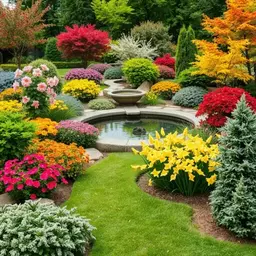
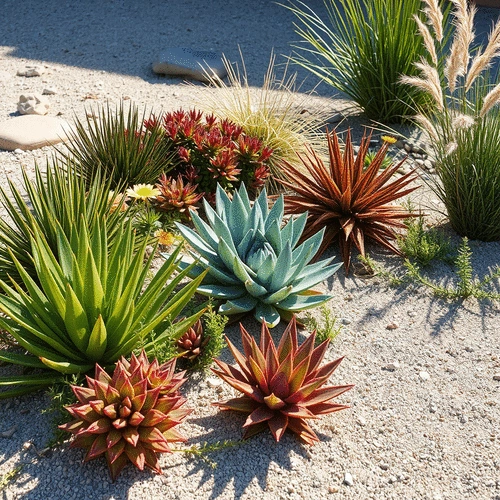
Hearing success stories from fellow gardeners can be incredibly motivating! People from various climates have embraced drought-resistant gardening, showcasing the versatility of these approaches. For instance, gardeners in arid regions have transformed their landscapes using succulents and native grasses, while those in temperate zones have integrated low-water perennials successfully.
These experiences not only highlight the adaptability of drought-resistant gardens but also demonstrate the lasting beauty they can offer. Many homeowners have shared how their gardens not only survived but thrived, attracting wildlife and becoming a source of pride!
Lessons Learned from Experienced Gardeners
From my own journey and insights gathered from experienced gardeners, there are invaluable lessons to share. One common theme is the importance of patience—healthy gardens take time to establish. Many have discovered that starting small and gradually expanding their gardens leads to better results. Engaging with local gardening communities can also provide support and inspiration! If you're looking for further inspiration, consider exploring colorful garden design tips.
- Start with a few drought-tolerant plants and expand over time.
- Connect with local gardening groups for advice and inspiration.
- Celebrate your successes, no matter how small!
Call to Action for Future Gardeners
Getting Started with Your Own Drought-Resistant Garden
Now that you’ve learned about the many benefits of drought-resistant gardening, it’s time to roll up your sleeves! Start by assessing your space and envisioning how you’d like your garden to look. Remember, it’s all about creating a beautiful, sustainable environment that fits your lifestyle.
Don’t hesitate to experiment with different plants and designs. And if you have questions along the way, reach out! I’m here to help you through your gardening journey and ensure your efforts lead to a thriving oasis.
Resources for Continued Learning and Support
To further your gardening knowledge, explore the wealth of resources available at Garden Plan Guide. From detailed plant lists to comprehensive guides on drought-resistant landscaping, we’ve got you covered. Gardening is a continuous learning experience, and we’re excited to support you every step of the way!
- Check out our online guides and articles.
- Join our community for tips and sharing experiences.
- Follow our blog for the latest trends in sustainable gardening.
Recap of Key Points
Here is a quick recap of the important points discussed in the article:
- Impact of Climate Change: Increased temperatures and decreased rainfall are major challenges for gardeners.
- Drought-Resistant Plants: Incorporating these plants can lower water usage and reduce maintenance efforts.
- Soil Health: Drought-resistant gardening helps improve soil structure and nutrient retention.
- Support for Ecosystems: Native plants foster biodiversity and provide habitats for local wildlife.
- Water Conservation Strategies: Practices such as mulching and grouping plants by watering needs can significantly reduce water usage.
- Community Engagement: Connecting with local gardening groups can provide valuable support and inspiration.