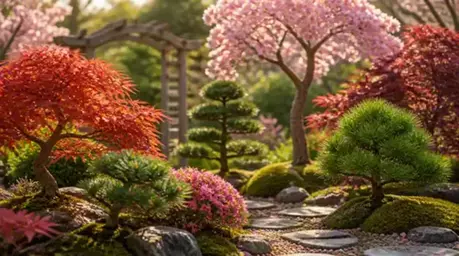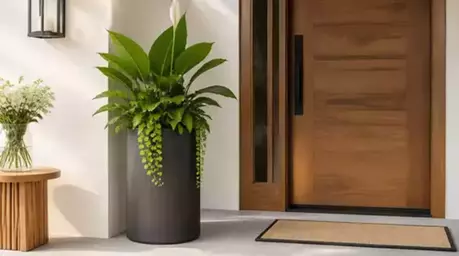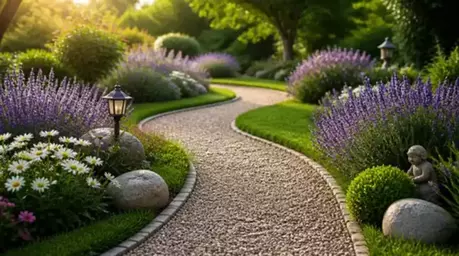
Color has the power to transform not just a garden's appearance, but also the emotions it evokes in those who visit it. With the right understanding of seasonal color schemes, you can create a landscape that delights year-round. Who wouldn't want to step into a garden that feels alive and inviting every season?
What You Will Learn
- Understanding the psychological effects of warm, cool, and neutral colors in landscape design can significantly enhance the atmosphere of your garden.
- Implementing seasonal color schemes ensures your landscape remains visually interesting throughout the year, avoiding dull periods.
- Applying seasonal color theory allows you to select plants that harmonize with the changing seasons, creating a dynamic outdoor experience.
- Effective year-round planning in landscape design reduces maintenance and enhances the beauty of your garden by ensuring continuous color and texture.
Seasonal Color Schemes Overview
Explore the seasonal color schemes and their corresponding characteristics to enhance your landscape design throughout the year. For more ideas on how to improve your outdoor spaces, consider enhancing curb appeal with trees.
Spring
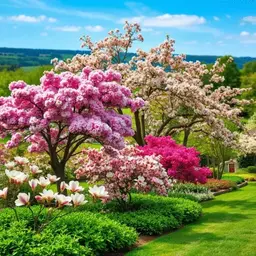
Bright blooms with pastels like pinks and yellows, evoking a sense of renewal and energy.
Summer
Bold colors, deep greens, and vibrant flowers that create a lively and inviting atmosphere.
Fall
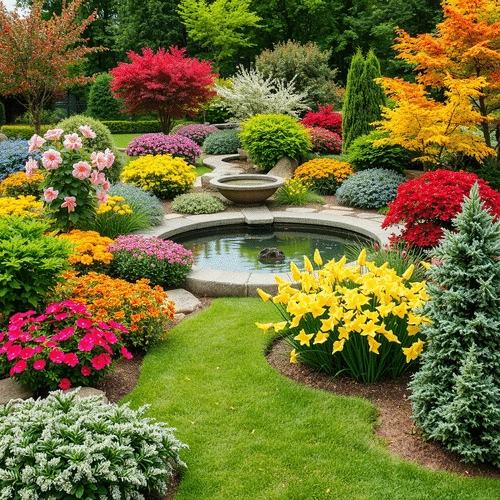
Warm hues like oranges, reds, and browns that provide a cozy and comforting feel.
Winter
Textures and colors from evergreen foliage and berries, offering a sense of calm and stillness.
Understanding Seasonal Color Schemes for Landscape Design
When it comes to gardens and landscapes, color plays an essential role! It can completely transform the mood and atmosphere of your outdoor space. Think about how a vibrant array of flowers can bring joy and energy, while calming greens can create a peaceful retreat. Colors have a profound psychological effect on us, influencing our feelings and perceptions. That’s why understanding how to use color effectively in your landscape design can make a huge difference in the way your garden feels.
The Importance of Color in Landscape Design
Colors can evoke emotions and set the tone for different areas of your garden. For example, reds and yellows can energize and stimulate, while blues and greens tend to calm and relax. In my experience, choosing the right colors helps create a cohesive look that resonates with the personal vibe of your home. Plus, using color thoughtfully can guide visitors through your garden, creating an inviting journey. You can also explore colorful garden design tips to further enhance your landscape.
- Warm Colors: Energizing and exciting.
- Cool Colors: Soothing and relaxing.
- Neutral Colors: Balancing and versatile.
As you start planning your landscape, consider how different colors will interact with each other and the surrounding environment. This simple understanding will not only enhance your design but also ensure that your garden remains visually appealing throughout the seasons!
Seasonal Color Schemes: An Overview
Seasonal color schemes are all about creating visual interest year-round. By carefully selecting plants that bloom or change color at different times of the year, you can ensure your garden remains lively and engaging! This approach helps you avoid the dreaded “green desert” look during off-seasons and keeps your landscape looking fresh and inviting.
- Spring: Bright blooms with pastels like pinks and yellows.
- Summer: Bold colors, deep greens, and vibrant flowers.
- Fall: Warm hues like oranges, reds, and browns.
- Winter: Textures and colors from evergreen foliage and berries.
By understanding how seasonal color schemes work, you can take your landscape design to the next level. It’s about planning and anticipating how your garden will look throughout the year, creating a dynamic visual experience that reflects the changing seasons.
Seasonal Color Theory
Let’s dive into seasonal color theory! This fascinating concept categorizes colors into four distinct seasons, each with its own palette and characteristics. It’s a fantastic tool for landscape architects looking to create harmony and balance. By applying these principles, you can make thoughtful choices about which plants to incorporate into your garden design.
- Spring: Soft pastels and bright blooms.
- Summer: Lush greens and vibrant hues.
- Autumn: Warm, earthy tones.
- Winter: Cool tones and evergreen structures.
In my own garden, I’ve found that by embracing the principles of seasonal color theory, I can create a landscape that continuously delights the eye and heart. It’s all about blending colors harmoniously to reflect nature's palette and ensuring that your outdoor space inspires joy throughout the year! For more inspiration, check out our guide on designing a colorful garden border.
Pro Tip
When planning your seasonal color schemes, consider incorporating plants that offer multi-season interest. For example, choose perennials that not only bloom beautifully in spring and summer but also provide attractive foliage or seed heads in fall and winter. This approach enhances visual appeal across all seasons, ensuring your garden remains vibrant and engaging year-round!
Frequently Asked Questions About Seasonal Color Schemes
Summarizing Key Takeaways for Seasonal Color Schemes
Integrating Color Theory with Practical Application
As we've explored throughout this article, understanding color theory is essential for creating effective landscape designs. By grasping the basics of color wheels, we can choose plants and materials that harmonize beautifully. Remember, the right combination can elevate your garden from ordinary to extraordinary!
When applying these concepts, always think about how colors interact with each other. For instance, complementary colors can create a vibrant contrast, while analogous colors offer a more serene feel. My experience with garden transformations at Garden Plan Guide has shown me that these principles truly make a difference in how we perceive outdoor spaces.
The Value of Year-Round Planning in Landscape Design
Careful planning is key when it comes to seasonal color transitions. By considering blooms and foliage at different times of the year, you can ensure that your garden remains lively and visually engaging. I’ve learned that a well-planned garden not only pleases the eye but also reduces maintenance hassles! For ideas on how to manage your garden efficiently, consider our tips for selecting low-maintenance landscaping plants.
- Map out seasonal color themes that align with your garden's existing features.
- Select plants that provide a variety of textures and colors throughout the year.
- Consider the timing of blooms to create a stunning visual experience for every season.
With the right plant selection and thoughtful design, your landscape can tell a story that changes with the seasons. What a joy it is to watch your garden evolve throughout the year!
Encouraging Engagement and Further Exploration
Inviting Readers to Share Their Experiences
Now it’s your turn! I’d love to hear about your own seasonal color schemes and experiences. Have you planted a garden that reflects the seasons? Share your stories in the comments or tag us on social media! Connecting with fellow gardening enthusiasts can inspire us all to create even more beautiful landscapes.
By sharing your journey, you not only contribute to our community at Garden Plan Guide, but you also enrich your own experience. Each garden is unique, and your insights can spark new ideas for others!
Providing Resources for Further Learning
To deepen your understanding of landscape design and seasonal color schemes, I encourage you to explore a variety of resources. Here are a few suggestions to get you started:
- A Guide to Color Theory in Gardening
- Year-Round Gardening Strategies
- DIY Landscaping Tips for Homeowners
These guides will provide you with even more practical advice and inspiration for your gardening projects. Remember, at Garden Plan Guide, we’re committed to helping you cultivate beauty and functionality in your outdoor spaces!
Recap of Key Points
Here is a quick recap of the important points discussed in the article:
- Color's Emotional Impact: Warm colors energize, while cool colors calm, setting the mood for your garden.
- Seasonal Color Schemes: Plan for year-round interest by selecting plants that bloom in different seasons.
- Seasonal Color Theory: Use distinct seasonal palettes to create harmony and balance in your landscape design.
- Year-Round Planning: Map out seasonal themes and consider bloom timing for continuous visual appeal and reduced maintenance.
- Engagement and Community: Share your gardening experiences and learn from others to inspire creativity in your own landscape projects.