Creating a stunning garden border is not just about aesthetics; it’s about purpose and planning. Whether you wish to attract wildlife or simply add a touch of color, understanding the essentials of garden borders can transform your outdoor space into a vibrant oasis. What if you could turn your garden into a personal sanctuary that reflects your style and nurtures nature? Dive in to discover how!
What You Will Learn
- Identify clear objectives for your garden border, such as aesthetics, functionality, or wildlife support.
- Explore various plant types suitable for borders, including perennials, annuals, shrubs, and native plants.
- Understand the importance of edging materials like decorative stones, wood, and bricks to enhance structure and appearance.
- Recognize the significance of ongoing care, including watering, pruning, and pest management, to maintain a healthy garden border.
- Encourage exploration of unique plant combinations to create a diverse and visually appealing garden ecosystem.
- Engage with a gardening community to share experiences and learn from fellow enthusiasts.
Key Aspects of Designing a Garden Border
The following visual summarizes the essential objectives and plant types to consider when designing your garden border. For more ideas on how to improve your home's exterior, check out our guide on enhancing curb appeal with trees.
Objectives for Garden Borders
- Aesthetics: Eye-catching frame for your garden.
- Functionality: Help with soil erosion or act as windbreaks.
- Wildlife Support: Attract beneficial insects and birds.
Types of Plants for Borders
- Perennials: Return year after year for stability.
- Annuals: Add color and variety for one season.
- Shrubs: Provide structure and create natural barriers.
- Native Plants: Attract local wildlife and thrive in local climate.
Edging Materials for Structure
- Decorative Stones: Enhance drainage and natural feel.
- Wood Edging: Rustic look and easy to install.
- Brick or Pavers: Sophisticated touch with various patterns.
- Landscape Fabric: Suppresses weeds and maintains soil integrity.
Ongoing Maintenance Tasks
- Watering: Ensure adequate moisture.
- Pruning: Trim back overgrown plants.
- Pest Management: Treat common pests promptly.
- Soil Health: Amend soil as needed for nutrients.
Understanding the Essentials of a Vibrant Garden Border
I can't tell you how exciting it is to create a garden border that not only enhances your outdoor space but also serves a purpose! When I design a garden border, I focus on combining beauty with functionality. A well-structured border can define your garden's layout, protect plants, and even deter unwanted pests. Knowing your objectives is the first step in transforming your space into a lush paradise.
Defining Your Garden Border Objectives
Before diving into plant selection, let’s talk about what you want your garden border to achieve. Are you aiming for visual appeal, a natural barrier, or perhaps to create a habitat for wildlife? Each goal will influence your decisions and the overall design.
- Aesthetics: Create an eye-catching frame for your garden.
- Functionality: Design borders that help with soil erosion or act as windbreaks.
- Wildlife Support: Attract beneficial insects and birds to your space.
When I started my garden journey, I quickly learned that having clear objectives made planning much easier. It’s like drawing a roadmap for your garden! When you know what you want, it’s easier to select the right plants and materials to bring your vision to life. For more detailed guidance, consider our beginner's guide to garden layout.
Recognizing Different Plant Types for Borders
Now, let’s explore the wonderful world of plants you can use for your garden borders! Whether you prefer vibrant flowers, lush greenery, or sturdy shrubs, there’s something for every style and goal. Here’s a quick breakdown of great plant categories for borders:
- Perennials: These return year after year and provide stability.
- Annuals: Add color and variety with plants that bloom brightly in one season.
- Shrubs: They offer structure and can create a natural barrier.
- Native Plants: Perfect for attracting local wildlife and thriving in your local climate.
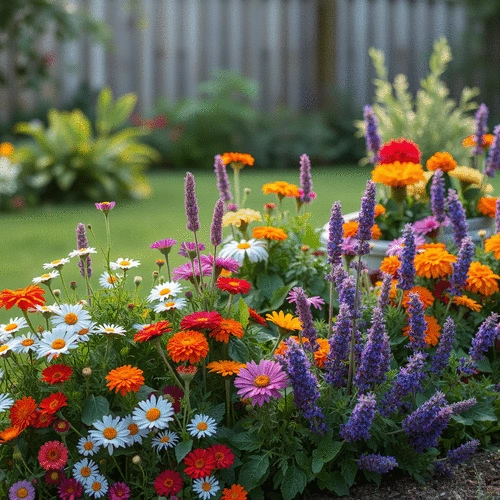
Selecting the right combination of plants adds texture and dimension to your border. I often find myself mixing perennials with annuals to create a dynamic look that changes with the seasons. For instance, pairing a tall perennial like *delphinium* with cheerful annuals like *marigolds* can create a stunning visual contrast!
Incorporating Edging Materials for Structure
Edging materials can make a world of difference in defining your garden border! Not only do they help keep your plants in place, but they also elevate the overall look of your garden. Here are some materials that work beautifully:
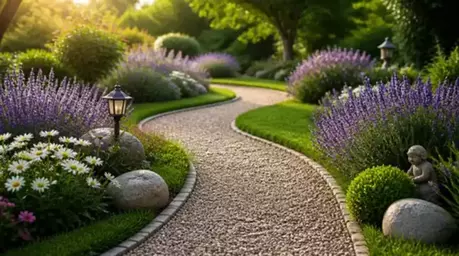
- Decorative Stones: Add a natural feel and help with drainage.
- Wood Edging: Creates a rustic look and is easy to install.
- Brick or Pavers: Provide a sophisticated touch and can be arranged in various patterns.
- Landscape Fabric: Helps suppress weeds and maintains soil integrity.
When I first started using edging materials, I was amazed at how they instantly transformed my garden's appearance! They not only guide the eye but also simplify maintenance tasks like mowing and trimming. Take some time to explore different materials and consider how they can add both function and flair to your garden space. You might also find inspiration in our article on garden path ideas and materials.
Pro Tip
When selecting plants for your garden border, consider incorporating a mix of flowering and foliage plants. This not only ensures year-round interest but also supports local wildlife. For example, pairing flowering plants like *echinacea* with ornamental grasses can create a stunning visual effect while providing food and shelter for beneficial insects.
Final Thoughts on Creating a Vibrant Garden Border
Creating a vibrant garden border is truly a rewarding experience, and it doesn't end once you've planted your flowers and arranged your shrubs! Ongoing care is essential to ensure your border remains lush and inviting. Regular maintenance not only helps plants thrive but also enhances the overall aesthetics of your outdoor space. After all, a vibrant garden border can become your personal haven, inviting you to unwind amidst nature.
To maintain the vibrancy of your garden border, it's crucial to focus on essential upkeep. This includes consistent watering, appropriate fertilization, and vigilant pest control. Remember, healthy plants are more resilient and beautiful! So, don’t hesitate to invest time in regular care to see your garden flourish throughout the seasons.
Emphasizing the Importance of Ongoing Care
As I dive deeper into my gardening journey with Garden Plan Guide, I've learned that maintenance is key to sustaining a beautiful garden border. Regular tasks such as pruning, deadheading, and even seasonal planting can make a world of difference. An effective maintenance routine not only keeps your plants healthy but also promotes continuous blooms and vibrant colors. Here’s a quick checklist for your ongoing care:
- Watering: Ensure your plants receive adequate moisture, especially during dry spells.
- Pruning: Regularly trim back overgrown plants to encourage new growth.
- Pest Management: Keep an eye out for common pests and treat them promptly.
- Soil Health: Amend your soil as needed to maintain proper nutrients.
By staying on top of these maintenance tasks, you can enjoy a garden border that remains vibrant and full of life. Your efforts will be well worth it when you see the beauty your garden brings to your home! You might also be interested in learning about low-maintenance plants for gardens.
Encouraging the Exploration of Unique Plant Combinations
I always encourage fellow gardeners to explore unique plant combinations that fit their personal styles and gardening goals. From fragrant flowers to drought-resistant varieties, the possibilities are endless! Experimenting with different plants not only enhances the visual appeal but can also create a more diverse ecosystem in your garden. Don’t be afraid to mix textures, colors, and heights—this will give your border depth and interest!
- Consider fragrant plants like lavender or rosemary that add scent and attract pollinators.
- Explore drought-resistant options such as succulents and ornamental grasses for low-maintenance beauty.
- Mix seasonal bloomers to ensure your garden is always in full color.
Remember, gardening is about expressing yourself, so feel free to let your creativity shine! Each plant you select contributes to the unique story of your garden border.
Engaging with Your Gardening Community
Inviting Readers to Share Their Experiences
At Garden Plan Guide, we love hearing from our community of passionate gardeners! Your experiences, challenges, and triumphs inspire others and create a vibrant space for learning. I invite you to share your own garden border projects in the comments below. What worked for you? What obstacles did you face? Let’s learn together and grow our gardens as a community!
Frequently Asked Questions About Garden Borders
As I engage with our readers, I’ve noticed some common questions come up regarding garden borders. Here are a few FAQs to help you along your gardening journey:
- What plants are best for shady areas? Consider ferns, astilbes, and hostas that thrive without direct sunlight.
- How often should I water my garden border? Typically, watering once a week is sufficient, but adjust based on weather conditions.
- What are some tips for winterizing my garden border? Cut back dead foliage, mulch to protect roots, and plan for seasonal plants.
- What are the main objectives of a garden border? Garden borders can serve various objectives including aesthetic appeal, functional purposes like soil erosion control or windbreaks, and supporting local wildlife.
- What types of plants are suitable for garden borders? Suitable plant types include perennials (for stability and year-after-year return), annuals (for seasonal color), shrubs (for structure and natural barriers), and native plants (for wildlife attraction and adaptability to local climate).
- Why are edging materials important for a garden border? Edging materials like decorative stones, wood, brick, or landscape fabric are important because they define the border, enhance its visual appeal, help contain plants, and simplify maintenance tasks like mowing and trimming.
- What does ongoing maintenance involve for a garden border? Ongoing maintenance includes regular watering, pruning to encourage new growth, pest management to treat issues promptly, and amending soil to maintain proper nutrient levels for plant health.
By addressing these questions, we can empower each other to create stunning garden borders that bring joy and beauty to our outdoor spaces!
Recap of Key Points
Here is a quick recap of the important points discussed in the article:
- Define Your Objectives: Determine the purpose of your garden border, whether for aesthetics, functionality, or wildlife support.
- Choose the Right Plants: Incorporate a mix of perennials, annuals, shrubs, and native plants to create a dynamic and vibrant border.
- Utilize Edging Materials: Use decorative stones, wood, brick, or landscape fabric to define and enhance your garden border's appearance.
- Prioritize Ongoing Care: Regular maintenance tasks like watering, pruning, and pest management are crucial for a healthy and vibrant garden border.
- Experiment with Plant Combinations: Mix textures, colors, and heights to create interest and a diverse ecosystem in your garden.
- Engage with the Community: Share your gardening experiences and learn from others to foster a supportive gardening environment.