
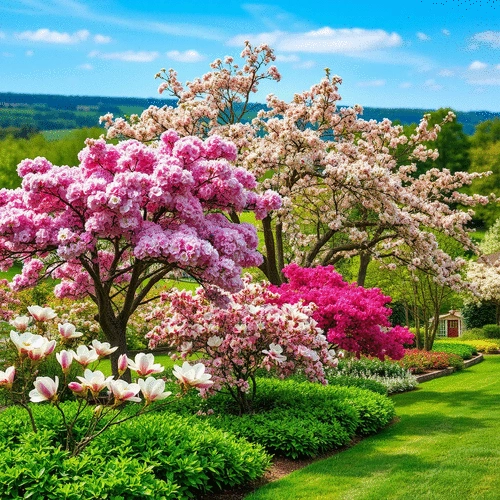
Did you know that incorporating year-round flowering trees can transform your garden into an ever-changing tapestry of color and life? These trees not only enhance aesthetics but also contribute to a thriving ecosystem. Discover how to make the most of these natural wonders!
What You Will Learn
- The importance of multi-season interest to keep your garden vibrant and engaging throughout the year.
- How flowering trees can serve as focal points, enhancing the aesthetics and sensory experience of your garden.
- Essential pruning techniques and maintenance tips to ensure the health and longevity of your flowering trees.
- Best practices for fertilization and pest management to promote stunning blooms and a thriving ecosystem.
- The role of flowering trees in promoting sustainable gardening by supporting local wildlife and reducing resource needs.
- How to choose the right flowering trees to create a beautiful and sustainable outdoor space that resonates with your personal style.
Enhancing Aesthetic Appeal with Year-Round Flowering Trees
Flowering trees provide visual interest throughout the seasons, contributing to a vibrant and inviting garden experience. For more ideas on how to boost your home's exterior, consider enhancing curb appeal with trees.
Spring Blooms
Experience vibrant flowers that awaken your garden. These trees burst into color, bringing life to your landscape.
Summer Foliage
Enjoy rich green leaves that provide shade and coolness, making outdoor spaces more comfortable during hot months.
Autumn Colors
Witness the beautiful transformation of leaves into striking colors, enhancing the natural beauty of your garden.
Winter Interest
Select trees with unique bark textures or shapes that add character and charm to your garden during the winter.
Understanding the Appeal of Year-Round Flowering Trees
When it comes to landscaping, the beauty of a year-round flowering tree can truly elevate your outdoor space. These trees not only provide stunning blooms but also create a dynamic backdrop that changes with the seasons. Imagine strolling through your garden and experiencing a different floral spectacle throughout the year—it's like nature's very own art show!
Having multi-season interest is vital for any garden. It keeps the landscape vibrant and engaging, offering something special to admire, no matter the time of year. This concept isn’t just about aesthetics; it helps maintain a lively atmosphere, inviting pollinators and wildlife right to your backyard. So, let's dive into the ways flowering trees can enhance the charm of your garden!
The Importance of Multi-Season Interest in Gardens
Multi-season interest is the secret sauce for a thriving garden. By diversifying your plant choices, you ensure that there’s always something captivating for your eyes to feast on. Consider incorporating trees that bloom in spring, hold lush leaves in summer, showcase vibrant fall colors, and even provide winter interest with their unique bark or structure.
- Spring: Look for trees that burst into bloom.
- Summer: Choose trees with rich green foliage.
- Fall: Opt for trees with colorful leaves.
- Winter: Select trees with interesting bark or shape.
At Garden Plan Guide, we believe that a garden should tell a story through every season. This approach not only enhances the beauty of your outdoor space but also allows you to connect with nature on a deeper level. It’s all about creating a continuous experience that keeps your garden exciting and alive! For more on specific tree types, check out our guide on decorative trees for small gardens.
How Flowering Trees Enhance Garden Aesthetics Throughout the Year
Flowering trees serve as the focal points of your landscape, transforming ordinary spaces into extraordinary retreats. Each season brings a new display, giving you the chance to enjoy a variety of colors and fragrances. From the sweet scent of spring blossoms to the rich hues of autumn leaves, these trees can create a sensory experience that elevates your gardening journey.
Additionally, flowering trees often attract beneficial wildlife like bees and butterflies. The interplay between trees and these creatures adds life and movement to your garden, fostering a thriving ecosystem. Plus, who doesn't love watching butterflies dance around the blooms while sipping their morning coffee?
- Vibrant spring blooms that awaken your garden.
- Shade and greenery during summer months.
- Striking fall foliage that captures the essence of autumn.
- Winter interest with unique bark textures and shapes.
By choosing the right flowering trees, you can create an ever-changing landscape that captivates the senses and draws you back outside, time and time again. It’s this connection with nature that inspires us here at Garden Plan Guide, encouraging you to explore and express your gardening creativity!
Best Practices for Caring for Flowering Trees
Caring for your flowering trees is essential to ensure they thrive and continue to beautify your garden year after year. At Garden Plan Guide, I always emphasize that proper care can make a world of difference in the health and vibrancy of these trees. Whether it’s pruning, watering, or fertilizing, knowing the best practices will help you create a stunning landscape that you can enjoy every season!
One of the first steps in caring for flowering trees is understanding pruning techniques. Pruning not only shapes the tree but also encourages healthy growth and flowering. Aim to prune after the blooming season, as this gives the tree time to recover and grow new shoots ready for the next year’s blooms. Regular maintenance—removing dead branches and thinning out overcrowded areas—will keep your tree looking its best.
Pruning and Maintenance Tips for Longevity
Let’s explore some effective pruning and maintenance tips that can enhance the longevity of your flowering trees:
- Timing: Prune during the right season—late winter or early spring for trees that bloom in summer, and right after blooming for spring-flowering varieties.
- Tools: Use sharp, clean pruning shears to prevent damaging the tree and to make clean cuts.
- Technique: Make cuts at a 45-degree angle, just above a bud or branch junction.
- Cleaning: Regularly remove fallen leaves and debris around the base to prevent pests and diseases.
By following these practices, you can ensure that your flowering trees stay healthy and vibrant for many seasons to come. Remember, consistent care makes all the difference! For more seasonal care tips, read our article on seasonal tips for decorative trees.
Fertilization and Pest Management Essentials
Another key aspect of caring for flowering trees is proper fertilization and pest management. Trees need nutrients to thrive, and understanding how to provide them can lead to spectacular blooms. I often recommend using organic fertilizers as they nourish the soil and encourage healthy growth while being environmentally friendly.
Here are some essential tips for fertilization and pest management:
- Fertilization: Apply a balanced fertilizer in early spring to promote growth. Look for options that are rich in nitrogen, phosphorus, and potassium.
- Watering: Ensure consistent watering, especially during dry spells, but avoid overwatering which can lead to root rot.
- Pest Management: Regularly check for signs of pests like aphids or spider mites. Use natural pest control methods, such as introducing beneficial insects, or applying insecticidal soap.
With these strategies in place, your flowering trees will not only look magnificent but also contribute to a healthier garden ecosystem. If you're unsure where to start, don't hesitate to reach out to me at Garden Plan Guide for tailored advice!
Summarizing the Benefits of Year-Round Flowering Trees
Now that we’ve covered best practices for caring for flowering trees, let's wrap up the incredible benefits they offer for your garden. Incorporating these trees doesn't just enhance aesthetics; they also contribute to a sustainable environment. From attracting pollinators to providing shade, the advantages are numerous and impactful.
Enhancing Aesthetic Appeal in Your Garden
Year-round flowering trees are a fantastic choice for adding aesthetic appeal to your garden. They provide colorful blooms and vibrant foliage that change with the seasons. Imagine walking through your garden, where each tree tells a story through its unique blossoms and shades!
Key aesthetic benefits include:
- Visual Interest: Different flowering seasons create a dynamic landscape that evolves throughout the year.
- Enhanced Curb Appeal: Beautifully maintained flowering trees can significantly boost your home's curb appeal, making your outdoor space a true standout.
- Seasonal Focal Points: Use flowering trees as focal points in your garden design, attracting attention and admiration.
These elements not only uplift your spirit but also create an inviting space for family and friends to enjoy! Gardening is all about creating beauty that resonates with your personal style.
Encouraging Sustainable Practices Through Tree Selection
Incorporating flowering trees into your landscape can also promote sustainable gardening practices. By choosing native or well-adapted species, you can support local ecosystems and reduce the need for extensive care. These trees provide habitats for various wildlife, including birds and beneficial insects, while requiring less water and fertilizer.
Some sustainable practices to consider include:
- Native Species: Opt for trees that are native to your region, as they are more resilient and support local wildlife.
- Low-Maintenance Varieties: Choose flowering trees that naturally thrive in your climate, reducing the need for extra resources.
- Pollinator Plants: Select trees that attract pollinators, contributing to the health of your garden ecosystem.
By making mindful choices, you can create a flourishing landscape while promoting sustainability—something I am incredibly passionate about here at Garden Plan Guide! Discover more about native plants for sustainable gardens.
Frequently Asked Questions About Year-Round Flowering Trees
- Q: What are year-round flowering trees?
- A: Year-round flowering trees are species that offer visual interest and blooms across multiple seasons, not necessarily blooming continuously for 12 months, but providing various aesthetic features throughout the year, such as spring flowers, summer foliage, autumn colors, and winter bark interest.
- Q: Why is multi-season interest important for a garden?
- A: Multi-season interest keeps a garden vibrant and engaging year-round, ensuring there's always something beautiful to admire. It also helps create a dynamic ecosystem by attracting pollinators and wildlife, fostering a lively atmosphere.
- Q: How do flowering trees enhance garden aesthetics?
- A: Flowering trees serve as focal points, providing stunning blooms, rich foliage, vibrant autumn colors, and unique winter textures. They transform ordinary spaces into appealing retreats and create a sensory experience with their colors and fragrances.
- Q: What are essential maintenance tips for flowering trees?
- A: Key maintenance tips include proper pruning (timing, sharp tools, correct technique), consistent watering (especially during dry spells), and regular pest management (checking for signs of pests and using natural control methods). Fertilization in early spring also promotes healthy growth.
- Q: How do flowering trees contribute to sustainable gardening?
- A: By choosing native or well-adapted species, flowering trees support local ecosystems, provide habitats for wildlife (like birds, bees, and butterflies), and reduce the need for excessive water and fertilizer. This promotes a healthier, more environmentally friendly garden.
Encouragement to Choose the Right Flowering Trees for Your Landscape
As we conclude this exploration of flowering trees, I encourage you to take the next steps in your garden planning journey! With the right knowledge and resources, you’ll be well on your way to creating a beautiful and sustainable outdoor space that brings joy throughout the year.
Next Steps in Your Garden Planning Journey
Consider visiting your local nursery or garden center to discover the wide variety of flowering trees available to you. Make a list of the trees that catch your eye and think about how they can fit into your landscape. Don’t forget to consider their care requirements and how they will enhance the beauty of your home!
Resources for Further Information on Flowering Tree Care
For more tips and guidance on caring for flowering trees, be sure to check out the resources available at Garden Plan Guide. Here, I share step-by-step plans, expert advice, and everything you need to cultivate your garden dreams. Let’s get growing together! You might also find our guide on selecting trees for curb appeal helpful.
Recap of Key Points
Here is a quick recap of the important points discussed in the article:
- Multi-Season Interest: Incorporate trees that bloom in spring, have lush foliage in summer, display vibrant fall colors, and provide winter interest with unique bark or shapes.
- Caring for Flowering Trees: Regular pruning, appropriate watering, and pest management are essential for the health and vibrancy of flowering trees.
- Aesthetic Benefits: Year-round flowering trees enhance curb appeal, provide visual interest, and can serve as seasonal focal points in your garden.
- Sustainable Practices: Choose native or well-adapted species to support local ecosystems and reduce care needs, while also attracting pollinators.
- Next Steps: Visit local nurseries to explore a variety of flowering trees and consider their care requirements for your landscape.


