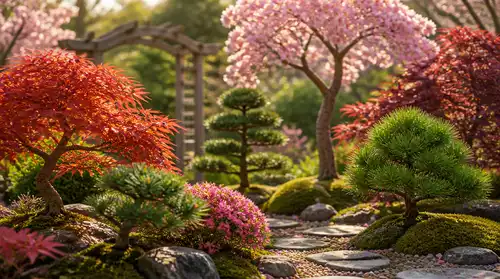
What if your garden could tell a story? Small ornamental trees hold the key to transforming your outdoor space into a vibrant narrative of color and life. These charming plants not only enhance your landscape but also create a sanctuary that reflects your unique style and personality. Ready to discover how?
What You Will Learn
- Small ornamental trees offer a space-saving solution for urban and small gardens, allowing for beauty without overcrowding.
- These trees can serve as focal points in your garden, drawing attention and enhancing landscape features.
- Consider the mature size and growth habit of the trees to ensure they fit well within your available space.
- Understanding sunlight and soil requirements is essential for selecting the right tree that will thrive in your environment.
- Selecting trees suitable for your USDA zone and local climate ensures long-lasting health and beauty in your garden.
- Regular watering, proper fertilization, and seasonal pruning are vital for the maintenance of small ornamental trees.
- Choosing trees that support local wildlife can enhance your garden's ecosystem and biodiversity.
- Small ornamental trees not only beautify your space but also contribute positively to air quality and increase property value.
Key Benefits of Small Ornamental Trees
Small ornamental trees offer various advantages that enhance your garden's appeal and functionality. Below are the key benefits represented visually.
Aesthetic Appeal
They add charm and character to your yard.
Wildlife-Friendly
Many varieties attract birds and beneficial insects.
Environmental Benefits
They help improve air quality and provide shade.
Space-Saving
Perfect for smaller gardens and patios.
Transforming Spaces with Small Ornamental Trees that Create a Big Visual Impact
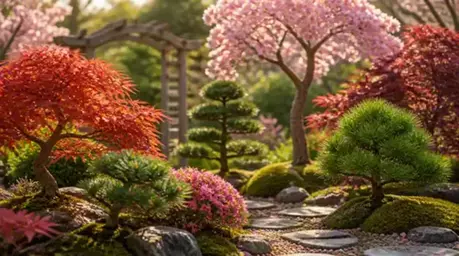
When it comes to enhancing your garden, small ornamental trees can pack a punch! These lovely plants offer a fantastic way to create visual interest without overwhelming your space. I’m excited to share how these trees can transform your yard into a vibrant oasis that reflects your personality and style. Consider how they can enhance your curb appeal and overall outdoor aesthetic.
Imagine stepping into your garden and being greeted by a stunning display of color and form! Small ornamental trees not only beautify your landscape but also provide a sense of structure and depth. Let’s dive into what makes these trees so appealing and how they can elevate your outdoor space.
Understanding the Appeal of Small Ornamental Trees
So, why should you consider adding small trees to your garden or yard? First off, they’re incredibly versatile! Whether you have a cozy urban space or a sprawling backyard, these trees can fit right in, offering beauty without taking over.
Another reason to love small ornamental trees is their ability to create a focal point. They draw the eye and can be used to highlight certain areas or features of your garden. Plus, their manageable size makes them easier to care for—perfect for DIY enthusiasts like us! For more specific options, check out these decorative trees for small gardens that can make a big impact.
Why Choose Small Trees for Your Garden or Yard
Small ornamental trees are ideal for various reasons. They can enhance the visual appeal of your garden without consuming too much space. Here are a few reasons why they’re a great choice:
- Space-saving: Perfect for smaller gardens and patios.
- Low maintenance: Easier to care for compared to larger trees.
- Year-round interest: They provide beauty in every season!
Choosing the right small tree can ultimately lead to a more inviting outdoor space. Picture your garden bursting with vibrant colors and textures throughout the year! Isn’t that what we all dream of?
Key Benefits of Small Ornamental Trees
Small ornamental trees offer a multitude of benefits, making them a worthwhile addition to any landscape. Here’s a rundown of their key advantages:
- Aesthetic appeal: They add charm and character to your yard.
- Wildlife-friendly: Many varieties attract birds and beneficial insects.
- Environmental benefits: They help improve air quality and provide shade.
By choosing small ornamental trees, you’ll not only beautify your space but also contribute positively to the environment. It’s a win-win for both your garden and the planet!
Essential Factors to Consider When Selecting Trees
Selecting the right small ornamental tree goes beyond just picking a pretty plant. It’s essential to consider a few vital factors to ensure success in your gardening journey.
In my experience as a garden enthusiast, taking the time to evaluate your space and needs will pay off in the long run. Let’s explore these essential factors together!
Defining Your Space: Mature Size and Growth Habit
Before choosing a tree, it’s crucial to understand how big it will get and its growth habit. Some trees spread wide, while others grow taller. Take a moment to assess your garden area:
- Mature size: How tall and wide will the tree grow?
- Growth habit: Does it have a compact form or a more spreading nature?
- Space limitations: Are there structures or plants nearby that might interfere with growth?
By defining your space, you can select a tree that thrives in your garden without overcrowding other plants. Think about how you want your garden to look in the years to come!
Evaluating Sunlight and Soil Requirements
Another crucial factor is the sunlight and soil conditions your chosen trees will face. Different trees have different needs! Here’s what to consider:
- Sunlight: Does the tree require full sun, partial shade, or full shade?
- Soil type: Is your soil sandy, clayey, or loamy?
- Drainage: Does your area retain water, or does it drain well?
Understanding your garden’s conditions will guide you in selecting the perfect trees that will thrive beautifully in their environment. After all, happy trees make for happy gardens!
USDA Zones and Climate Suitability
Lastly, don’t forget to consider your USDA zone and local climate! Different trees thrive in specific climates, so knowing your zone is key. Here’s what to do:
- Research your USDA zone: Know which plants are best suited for your region.
- Local climate: Consider rainfall, temperature extremes, and seasonal changes.
- Microclimates: Identify any unique conditions in your garden, such as areas that are sunnier or more sheltered.
By selecting trees that are climate-appropriate, you'll ensure your garden flourishes for years to come. And who doesn't want a thriving garden, right? For more ideas on how to create a vibrant outdoor space, consider exploring colorful garden design tips.
Pro Tip
When selecting small ornamental trees, consider layering them with other plants. This creates a more dynamic and visually appealing landscape. For example, pairing trees with low-growing shrubs or colorful perennials can enhance the overall aesthetic and provide year-round interest. Remember, the key is to create harmony in your garden design!
Frequently Asked Questions About Small Ornamental Trees
Here are some common questions about incorporating small ornamental trees into your garden:
- Q: Why should I choose small ornamental trees over larger ones?
- A: Small ornamental trees are ideal for space-saving, low maintenance, and creating visual interest without overwhelming smaller gardens or urban spaces.
- Q: What are the key benefits of planting small ornamental trees?
- A: They offer aesthetic appeal, attract wildlife, improve air quality, provide shade, and can increase property value.
- Q: What factors should I consider before selecting a small ornamental tree?
- A: It's crucial to consider the mature size and growth habit of the tree, its sunlight and soil requirements, and its suitability for your USDA zone and local climate.
- Q: How do I care for my small ornamental trees?
- A: Essential maintenance includes deep, consistent watering for young trees, using a balanced, slow-release fertilizer in early spring, and pruning during the dormant season to encourage healthy growth and shape.
- Q: Can small ornamental trees help with privacy?
- A: Yes, certain varieties like the Eastern Redbud or Holly can be planted to create natural privacy screens, offering both beauty and seclusion.
Maximizing Impact with Small Trees: Practical Tips and Considerations
When it comes to integrating small ornamental trees into your landscape, there are a few best practices you can follow to ensure they thrive and enhance your garden's beauty. Whether you're a seasoned gardener or just starting out, these simple tips will help you make the most of your small trees. From the right planting techniques to ongoing care, let’s dive in!
Best Practices for Planting and Maintenance
First and foremost, understanding the watering and fertilization needs of small ornamental trees is crucial for their success. Young trees require consistent moisture, especially during the first few years. Aim to water them deeply once a week, allowing the soil to dry slightly in between. When it comes to fertilization, a balanced, slow-release fertilizer can provide the necessary nutrients without overwhelming the young roots.
Next, let’s discuss pruning techniques. Regular pruning not only encourages healthy growth but also helps maintain an attractive shape. Focus on removing dead or damaged branches and thinning out crowded areas to increase airflow. A good rule of thumb is to prune during the dormant season, usually late winter or early spring, when the trees are less stressed. You can find more tips on seasonal tips for decorative trees to keep your plants healthy year-round.
- Water deeply once a week for young trees.
- Use a balanced, slow-release fertilizer in early spring.
- Prune during the dormant season for best results.
Choosing the Right Tree Based on Your Design Goals
Now that we’ve covered care, let’s explore how to choose the right tree based on your design goals. If privacy is a priority, consider planting trees that grow tall and dense, creating a natural screen. Some excellent options include the Eastern Redbud or Holly, both of which provide beauty while maintaining privacy. If you prefer low-maintenance, look for small trees that require less care, such as the Japanese Tree Lilac.
Additionally, integrating small trees that attract pollinators can be beneficial for your garden's ecosystem. Trees like the Serviceberry not only offer beautiful blooms in spring but also provide berries for birds and other wildlife. This not only enhances your garden's appeal but supports local biodiversity!
- Consider privacy screens with Eastern Redbud or Holly.
- Opt for low-maintenance varieties like Japanese Tree Lilac.
- Incorporate pollinator-friendly trees like Serviceberry.
Answering Common Questions About Small Ornamental Trees
You might have some questions about small ornamental trees, especially regarding selection and care. One common inquiry is, “What criteria should I consider when selecting a tree for my garden?” It's essential to evaluate your available space, sunlight, and soil conditions to ensure you choose a tree that will thrive.
Another frequently asked question is about the long-term benefits of planting small trees. Not only do they add visual interest to your landscape, but they also improve air quality, provide habitat for wildlife, and increase property value. Each tree you plant contributes to a healthier environment, making your gardening efforts even more rewarding! For more on how to maximize your property's value, explore landscaping to enhance home value.
- Evaluate space, sunlight, and soil conditions for tree selection.
- Understand long-term benefits, such as improved air quality and wildlife habitat.
- Recognize that small trees can boost property value significantly.
Conclusion: Embracing the Beauty of Small Ornamental Trees in Your Landscape
As I wrap up, I hope you feel inspired to embrace the beauty of small ornamental trees in your landscape! Thoughtful planting not only enhances your garden but also creates lasting visual impact. Remember, each tree you choose contributes to the overall harmony of your outdoor space.
So why wait? Start designing your small garden today! Explore the wide array of options, and let your creativity flow as you transform your outdoor space with these stunning features. Let’s cultivate beauty in our gardens together!
Recap of Key Points
Here is a quick recap of the important points discussed in the article:
- Versatility: Small ornamental trees are suitable for various garden sizes and styles, offering beauty without overwhelming space.
- Focal Points: These trees can create stunning focal points in your landscape, enhancing visual interest.
- Space-Saving: Ideal for smaller gardens, they provide aesthetic appeal without consuming too much space.
- Low Maintenance: Generally easier to care for than larger trees, making them great for DIY gardeners.
- Environmental Benefits: They improve air quality, provide shade, and attract wildlife, contributing positively to the ecosystem.
- Care Considerations: Ensure proper watering, use balanced fertilizers, and prune during the dormant season for optimal growth.
- Design Goals: Choose trees that align with your landscape design goals, such as privacy or attracting pollinators.