Have you ever walked through a garden and felt instantly captivated by the vibrant colors and enchanting scents? Flowering vines are the secret ingredient that can transform your garden into a breathtaking oasis. These versatile plants not only enhance visual interest but also serve various practical purposes, making them an essential addition to any outdoor space.
What You Will Learn
- Flowering vines add vertical interest to gardens, maximizing limited space and enhancing aesthetics.
- These plants can serve practical functions, such as providing privacy or covering unsightly structures.
- Strategic placement of vines can guide the viewer's eye and create dynamic pathways in your garden.
- Choosing the right flowering vines involves assessing sun exposure, growth rates, and maintenance requirements.
- Incorporating flowering vines supports local ecosystems by attracting pollinators and providing habitats for wildlife.
- Experimenting with various vine combinations can create unique and personalized garden designs.
- Understanding your garden's specific conditions is key to selecting vines that will thrive and flourish.
Benefits of Using Flowering Vines in Home Gardens
Flowering vines add tremendous value to home gardens. Here are some key advantages:
Space-saving
Utilizing vertical space for maximum impact in small gardens.
Aesthetically pleasing
Adds color, texture, and interest that can change with the seasons.
Wildlife-friendly
Attracts pollinators like bees and butterflies, supporting local ecosystems.
Privacy
Provides natural barriers and screens for more intimate outdoor spaces.
Enhancing Your Garden with Flowering Vines for Vertical Interest
Flowering vines can breathe life into your garden, transforming ordinary spaces into vibrant, eye-catching displays. These plants not only add a splash of color but also create vertical interest, making them perfect for small gardens where ground space is limited. As a garden enthusiast, I’ve seen how these beautiful climbers can elevate the overall aesthetics of outdoor spaces, and I can’t wait to share my insights with you!
Let’s dive into why incorporating flowering vines into your garden can be a game changer. From charming arbors to colorful trellises, the possibilities are endless. By adding vertical elements, you can create a layered look that draws the eye upward, enhancing the perception of space and adding depth to your landscape. This approach can significantly enhance your home's curb appeal, making it more inviting.
Understanding the Appeal of Flowering Vines
Flowering vines are not just about beauty; they serve a purpose in our gardens. They can cover unsightly structures or add privacy to patios. Plus, their varied colors and forms can be tailored to fit any garden style, whether you prefer a quaint cottage feel or a sleek modern aesthetic.
One of the most exciting aspects of flowering vines is their ability to create a sense of tranquility. Imagine sitting under a lush canopy of blooms while sipping your morning coffee! This simple addition can close the gap between your indoor and outdoor living spaces, turning your garden into a true extension of your home. Incorporating these plants can also complement decorative trees for small gardens, creating a harmonious and vibrant display.
The Role of Vertical Interest in Garden Aesthetics
Vertical gardening is a fantastic way to maximize your space, especially if you're working with a smaller plot. By introducing height with climbing vines, you can break up the monotony of flat landscapes. This not only adds visual appeal but also creates habitats for wildlife, offering shelter and food for birds and beneficial insects.
Additionally, vertical interest can help guide the viewer's eye throughout the garden. By placing your flowering vines strategically, you can create pathways that encourage exploration and draw attention to key features of your outdoor space.
Benefits of Using Flowering Vines in Home Gardens
Incorporating flowering vines into your home garden comes with numerous advantages. Here are some benefits to consider:
- **Space-saving**: Perfect for small gardens, utilizing vertical space for maximum impact.
- **Aesthetically pleasing**: Adds color, texture, and interest that can change with the seasons.
- **Wildlife-friendly**: Attracts pollinators like bees and butterflies, supporting local ecosystems.
- **Privacy**: Provides natural barriers and screens for more intimate outdoor spaces.
Each of these benefits highlights why flowering vines are a must-have in any garden designer's toolkit. So, as you plan your own garden, think about how these beautiful climbers can fit into your vision!
Choosing the Right Flowering Vines for Your Space
Now that you see the appeal of flowering vines, let’s talk about how to choose the right varieties for your individual space. The key lies in understanding your garden’s specific conditions, including sun exposure and climate. Every garden is unique, and selecting the right plants will ensure they thrive and enhance your outdoor aesthetic.
When selecting flowering vines, consider factors such as growth rates and maintenance needs. Some vines grow quickly and require regular pruning, while others are more low-maintenance. Knowing what you’re getting into will help you enjoy your garden without the stress of constant upkeep!
Assessing Sun Exposure and USDA Zones for Optimal Growth
Before planting, assess how much sunlight your space gets. Different flowering vines have varying sunlight requirements. For example:
- **Full Sun**: Look for varieties like Wisteria and Trumpet Vine, which thrive in bright conditions.
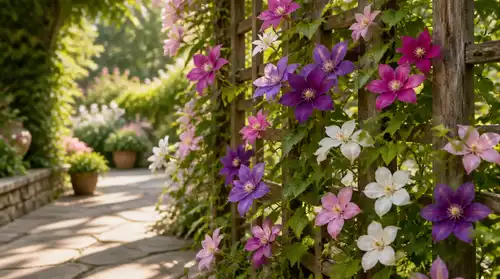
- **Partial Shade**: Vines such as Clematis and Honeysuckle do well with some shelter from direct sun.
- **Full Shade**: Consider Virginia Creeper which can adapt to low-light conditions.
Also, be sure to check your USDA Plant Hardiness Zone. This helps you select vines that will thrive in your local climate, ensuring vibrant blooms year after year!
Evaluating Growth Rates and Maintenance Needs of Flowering Vines
Understanding how fast a vine grows and how much care it requires is essential in making your selections. Here are some factors to keep in mind:
- **Fast-growing Vines**: These include Passionflower and Honeysuckle—they can cover structures quickly but may need regular pruning.
- **Slow-growing Options**: Varieties like Clematis can take time to establish but often produce stunning flowers and require less maintenance.
- **Maintenance Levels**: Always check if the vine needs special care, such as specific watering or fertilizing schedules.
By evaluating these elements, you can choose flowering vines that fit your lifestyle and gardening goals, ensuring your garden remains a source of joy and beauty! Sometimes, it's also helpful to consider selecting low-maintenance landscaping plants to minimize ongoing effort.
Quick Summary
Here's a brief recap of the key points discussed so far:
- Flowering vines add vertical interest and color, maximizing garden space.
- These plants provide benefits such as privacy, wildlife habitats, and aesthetic appeal.
- Choosing the right varieties based on sun exposure and maintenance needs is crucial for success.
Frequently Asked Questions About Flowering Vines
- What are the main benefits of using flowering vines in a garden?
- Flowering vines offer numerous benefits, including saving space by growing vertically, enhancing aesthetic appeal with color and texture, attracting pollinators and wildlife, and providing natural privacy screens.
- How do flowering vines enhance garden aesthetics?
- They add vertical interest, breaking up flat landscapes and creating a layered look. Their diverse colors and forms can suit any garden style, from cottage to modern, adding depth and drawing the eye upward.
- What factors should I consider when choosing flowering vines?
- Key factors include sun exposure (full sun, partial shade, full shade), your USDA Plant Hardiness Zone to ensure climate compatibility, growth rates (fast-growing vs. slow-growing), and maintenance needs (pruning, watering, fertilizing).
- Can flowering vines be used for practical purposes?
- Yes, beyond beauty, they can cover unsightly structures like fences or sheds, provide natural shade, and create intimate, private spaces on patios or balconies.
- Are flowering vines good for wildlife?
- Absolutely! Many flowering vines attract pollinators such as bees and butterflies, supporting local ecosystems. They can also provide shelter and food sources for birds and beneficial insects, contributing to a healthier garden environment.
Conclusion: Transforming Your Garden with Flowering Vines
As we wrap up our exploration of flowering vines, it's clear that these versatile plants offer a captivating way to elevate your garden. Whether you seek to add color, create privacy, or attract pollinators, flowering vines can serve as the perfect solution. By incorporating vertical gardening techniques, you not only enhance the beauty of your space but also maximize your garden's potential!
When selecting the right vines, consider factors such as sun exposure, growth rate, and maintenance needs. These key considerations can make a significant difference in the success of your plants. Remember, each garden is unique, so take the time to choose species that will thrive in your specific conditions, ensuring a lush and vibrant outcome!
Summarizing the Benefits of Vertical Gardening
Vertical gardening with flowering vines presents numerous benefits, making it a fantastic choice for any outdoor space. Here are some of the key advantages:
- Space Efficiency: Utilize vertical structures to free up ground space for other plants.
- Aesthetic Appeal: Flowering vines add color and texture, creating visual interest in your garden.
- Environmental Benefits: These vines can provide habitats for wildlife and contribute to a healthier ecosystem.
- Privacy Solutions: Use vines to create natural screens, enhancing your garden's seclusion and comfort.
Each of these benefits underscores the importance of incorporating flowering vines into your landscaping efforts. They not only beautify your garden but also create a thriving environment for both plants and wildlife!
Highlighting Key Considerations in Plant Selection
As you embark on your journey to transform your garden, keep these essential tips in mind for plant selection:
- Assess sunlight availability and choose vines suited for your garden's conditions.
- Understand the growth habits of different species to ensure they fit your space.
- Consider maintenance needs so that you choose vines that align with your gardening style.
- Research potential invasiveness and compatibility with existing plants.
By focusing on these factors, you're setting yourself up for a successful and enjoyable gardening experience! Choosing the right flowering vines can transform your space into a picturesque retreat that reflects your personal style. For more ideas, explore enhancing curb appeal with trees.
Encouraging Experimentation with Different Flowering Vines
Don't hesitate to experiment with various flowering vines! Nature is all about diversity, and your garden can be too. Try mixing different varieties to create a unique look that showcases your creativity. Here are a few ideas to inspire you:
- Combine clematis with honeysuckle for a stunning color contrast.
- Pair wisteria with passionflower for an exotic touch.
- Use trumpet vine alongside climbing roses to attract hummingbirds and butterflies.
Your garden is a blank canvas—let your imagination run wild! Share your adventures with flowering vines or any stunning combinations you find. At Garden Plan Guide, we love to hear about your gardening journeys and insights!
Engagement and Further Exploration
We invite you to share your experiences with flowering vines! What varieties have you tried? How have they transformed your garden? Your stories not only inspire us but also fellow garden enthusiasts looking for ideas and motivation.
For those eager to delve deeper into vertical gardening, we offer a wealth of resources to guide you. Check out our detailed plans and expert advice at GardenPlanGuide.com. Whether you're just starting or looking to refine your skills, there's always something new to learn! You might also find inspiration in colorful garden design tips to further enhance your outdoor space.
Let’s grow together and create beautiful outdoor spaces that make us smile. Happy gardening!
Recap of Key Points
Here is a quick recap of the important points discussed in the article:
- Flowering vines add vertical interest, enhancing garden aesthetics and making small spaces feel larger.
- These plants provide benefits such as space-saving solutions, wildlife attraction, and natural privacy barriers.
- Choosing the right flowering vines involves assessing sun exposure, growth rates, and maintenance needs.
- Experimenting with different vine varieties can create unique and visually stunning garden displays.
- Engaging with the gardening community can enhance your gardening experience and inspire new ideas.