Have you ever looked at a dimly lit corner of your garden and wondered if it could ever be beautiful? Fortunately, with the right knowledge and choices, even the shadiest spots can transform into vibrant havens of life and color. Understanding shade-loving plants is essential for unlocking the potential of low-light gardens.
What You Will Learn
- Identify common challenges gardeners face in low-light areas, such as insufficient sunlight and excessive moisture.
- Discover the benefits of incorporating shade-loving plants, including reduced maintenance and year-round interest.
- Learn how to match plants to different types of shade conditions for optimal growth and aesthetic appeal.
- Explore top plant choices for containers, borders, and wildlife-friendly gardens to enhance biodiversity.
- Uncover unique shade plant varieties that can add character and beauty to your garden.
- Recap key plant types and their advantages to help you make informed decisions for your shade garden.
Key Challenges and Benefits of Shade-Loving Plants
Here’s a summary of the common challenges faced in low-light conditions and the benefits of incorporating shade-loving plants.
Common Challenges in Low-Light Areas
- Insufficient sunlight
- Water retention
- Stunted growth
Benefits of Incorporating Shade-Loving Plants
- Reduced maintenance
- Year-round interest
- Enhanced biodiversity
Understanding Shade-Loving Plants for Low-Light Gardens
As a gardening enthusiast, I know that planning a garden in low-light conditions can feel a bit like solving a puzzle. You might wonder, what kind of plants can thrive when the sun is shy? Understanding the needs of shade-loving plants is the first step in crafting a beautiful and vibrant low-light garden.
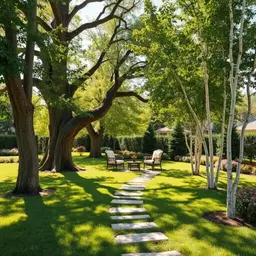
In many gardens, there are areas where the sun barely reaches, creating a unique opportunity to explore different types of plants. These areas, often under trees or beside buildings, need special consideration. By selecting the right shade-loving plants, we can transform these spaces into lush, inviting retreats that are just as stunning as sun-soaked gardens! You might also consider decorative trees for small gardens to add vertical interest even in shaded spots.
Identifying the Need for Shade Plants in Your Garden
Let's dive into the common challenges gardeners face in low-light areas. You might struggle with:
- Plants that refuse to grow or flourish.
- Excessive moisture that leads to mold or mildew.
- Limited flower color, making your garden feel dull and lifeless.
Don't worry! By identifying these challenges, we can find the perfect shade plants that thrive in low-light conditions. The right selections will not only grow, but they will also bring vibrancy and life to your garden!
Common Challenges in Low-Light Areas
Low-light conditions present unique challenges that require innovative solutions. Plants in these areas often struggle due to:
- Insufficient sunlight: Many plants need a certain level of light to photosynthesize and grow healthy.
- Water retention: Shady areas may trap moisture, leading to root rot or fungal diseases.
- Stunted growth: Without enough light, plants may grow leggy or fail to bloom.
Recognizing these challenges can help you tailor your plant selection to meet specific needs, ensuring a thriving garden despite the shade! For tips on managing plant health in various conditions, explore selecting low-maintenance landscaping plants.
Benefits of Incorporating Shade-Loving Plants
While it may seem like a challenge, there are plenty of rewards in working with shade-loving plants. Some benefits include:
- Reduced maintenance: Many shade plants require less water and care, saving you time and effort.
- Year-round interest: With the right choices, your garden can stay vibrant through every season, even in low light!
- Enhanced biodiversity: Shade gardens can support a variety of wildlife, attracting beneficial pollinators.
By embracing shade-loving plants, you’re not just solving a problem; you’re creating a unique and beautiful garden space that adds character to your home!
Types of Shade: Matching Plants to Conditions
Understanding the different types of shade in your garden is crucial for making informed plant choices. Are you dealing with full shade or partial shade? Let's explore these concepts together!
Pro Tip
When selecting shade-loving plants, consider their growth habits and how they will interact with each other over time. For example, pairing taller plants like Astilbe with shorter ground covers like Lamium can create a beautiful layered effect while maximizing space and light. This strategy not only enhances visual interest but also ensures that each plant has room to thrive!
Choosing the Right Shade Plants for Your Specific Needs
When it comes to enhancing your garden's charm, selecting the right shade plants can truly make a difference! Whether you're working with containers on a small balcony or creating borders along shaded pathways, there are plenty of options to consider. Let's dive into some fantastic choices that will thrive in those low-light areas!
Best Shade Plants for Containers and Borders
Container gardening is a wonderful way to maximize your small spaces while adding a splash of greenery. For shaded areas, look for plants that not only survive but thrive! Here are some great container planting ideas:
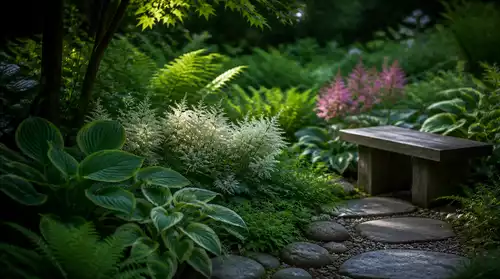
- Ferns: Their delicate fronds create a lush, tropical feel.
- Begonias: Colorful blooms that brighten any container.
- Caladiums: Their vibrant leaves can be a stunning focal point.
When it comes to borders, choosing effective plants can enhance the flow of your garden. Consider options that not only fill in the space but also add visual interest:
- Hostas: Perfect for creating a lush, layered look.
- Astilbe: Their feathery blooms add softness and elegance.
- Lamium: A hardy ground cover that brightens shady borders.
For more ideas on plant arrangements that boost aesthetic appeal, check out plants that boost curb appeal.
Selecting Plants for Wildlife and Pollinator Gardens
Creating a wildlife-friendly garden is not only beneficial for local ecosystems, but it can also bring joy to your outdoor space. Enhancing biodiversity in your shade garden can be as easy as selecting the right plants. Here are some ideas:
- Bee Balm: A haven for pollinators with its vibrant flowers.
- Astilbe: Attracts butterflies while thriving in low-light.
- Wild Ginger: Provides ground cover and attracts beneficial insects.
If deer are an issue in your area, you might also want to consider some deer-resistant options for your shady spots:
- Ferns: Generally unappealing to deer.
- Heuchera: Known as coral bells, these are both beautiful and deer-resistant!
- Japanese Forest Grass: Its vibrant color can deter unwanted visitors.
Highlighting Unique Shade Plant Varieties
If you're looking to add something special to your garden, consider unique shade plant varieties that can stand out. For instance, Japanese Forest Grass offers a stunning draping effect that’s simply breathtaking! Meanwhile, Coral Bells not only add color but can also create a lovely texture throughout your garden. Let’s explore a couple more:
- Solomon's Seal: Its graceful arching stems create a serene atmosphere.
- Trillium: A lovely woodland plant that blooms in spring.
Incorporating these unique plants can really personalize your shade garden and make it a true reflection of your style!
FAQs About Shade-Loving Plants
Q1: What are the main challenges of gardening in low-light areas?
A1: The primary challenges include insufficient sunlight for photosynthesis, excessive water retention potentially leading to root rot or fungal diseases, and stunted growth or lack of blooms due to inadequate light.
Q2: What are the benefits of choosing shade-loving plants?
A2: Shade-loving plants often require less maintenance (less water and care), can provide year-round visual interest, and help enhance biodiversity by attracting beneficial wildlife and pollinators.
Q3: How do I match plants to different types of shade?
A3: It's crucial to understand whether your garden has full shade (less than 3 hours of direct sunlight) or partial shade (3-6 hours of direct sunlight). Different plants are suited to specific light levels. Observing your garden throughout the day will help you determine the best fit.
Q4: Can I grow shade-loving plants in containers?
A4: Absolutely! Many shade-loving plants thrive in containers. Excellent choices include ferns for a lush look, colorful begonias, and caladiums with their vibrant leaves, which can serve as stunning focal points.
Q5: Which shade plants are good for attracting wildlife?
A5: Plants like Bee Balm, Astilbe, and Wild Ginger are great for attracting pollinators such as bees and butterflies. Ferns, Heuchera (coral bells), and Japanese Forest Grass are also good deer-resistant options.
Summarizing Your Shade-Loving Plant Choices
As we wrap up our exploration of shade-loving plants, remember that the key is selecting options that not only look great but also meet your specific needs. From resilient perennials to stunning ground covers, the choices are abundant!
Recap of Key Plant Types and Their Benefits
Choosing the right plants for low-light conditions can yield beautiful results. Here’s a quick recap of some resilient, low-maintenance options:
- Hostas: Low care, versatile, and effective ground cover.
- Ferns: Perfect for adding a lush appearance.
- Bleeding Heart: Beautiful blooms that thrive in shade.
These plants, among others, can significantly contribute to the aesthetic and ecological value of your garden, much like enhancing curb appeal with trees can elevate your home's exterior.
Next Steps for Building Your Shade Garden
Now that you're equipped with a wealth of knowledge about shade plants, what's next? Dive into your gardening adventure by researching and purchasing the plants that resonate with you. Don't hesitate to check out resources available at Garden Plan Guide for more detailed guides and plant options.
Lastly, remember that gardening is all about experimentation! Feel free to mix and match plants to create a garden that's uniquely yours. Happy gardening, and I can't wait to see what you create!
Recap of Key Points
Here is a quick recap of the important points discussed in the article:
- Identify Shade Needs: Assess your garden's light conditions to select appropriate shade-loving plants.
- Overcome Common Challenges: Address issues like insufficient sunlight and water retention by choosing resilient plants.
- Enjoy the Benefits: Shade-loving plants require less maintenance and can provide year-round interest and biodiversity.
- Choose Wisely: Select plants like Hostas, Ferns, and Astilbe that thrive in low-light conditions.
- Incorporate Unique Varieties: Explore unique plants like Solomon's Seal and Trillium to add character to your garden.