Did you know that raised flower beds have been used since ancient civilizations, yet they are just now becoming a popular solution for modern gardeners? Their unique advantages not only enhance the beauty of your outdoor space but also promote healthier plant growth and sustainability. Dive in to discover how this gardening technique can transform your garden!
What You Will Learn
- Raised flower beds improve soil drainage, preventing waterlogging and root rot.
- They make gardening more accessible, reducing the need for bending and enhancing ease of maintenance.
- Incorporating eco-friendly materials and practices into raised beds contributes to sustainability and a thriving ecosystem.
- Community gardening initiatives foster shared resources and knowledge among local gardening enthusiasts.
- Opting for native plants in raised beds ensures lower water requirements and supports local wildlife.
- Water conservation is enhanced through efficient irrigation strategies and mulching techniques.
- Attending local gardening workshops and events can inspire and expand your gardening skills.
Benefits of Raised Flower Beds
Raised flower beds offer a variety of advantages that enhance gardening experiences. Below are key benefits summarized in a visual format. If you're looking to redefine your garden space, exploring options like building your own rock garden can complement the aesthetic of raised beds beautifully.
Improved Soil Drainage
Elevated beds allow for better drainage, preventing root rot and moisture-related problems.
Easier Maintenance
Simplifies weeding and watering, making gardening less labor-intensive.
Enhanced Aesthetic Appeal
They can be styled to match personal tastes and serve as a focal point in garden design.
Pest Control
Elevation can deter pests, making it harder for them to access plants.
Soil Customization
Gardeners can tailor soil composition for optimal plant growth.
Sustainability
Promotes eco-friendly gardening practices by utilizing organic materials.
Transforming Your Garden with Raised Flower Beds: An Overview
Are you looking to add a touch of elegance to your outdoor space? Raised flower beds can be a game changer! They not only offer a stylish way to showcase your favorite blooms but also come with a multitude of benefits that every gardener can appreciate. With my experience at Garden Plan Guide, I can assure you that incorporating raised flower beds into your garden will elevate your landscaping game!
Understanding the Concept of Raised Flower Beds
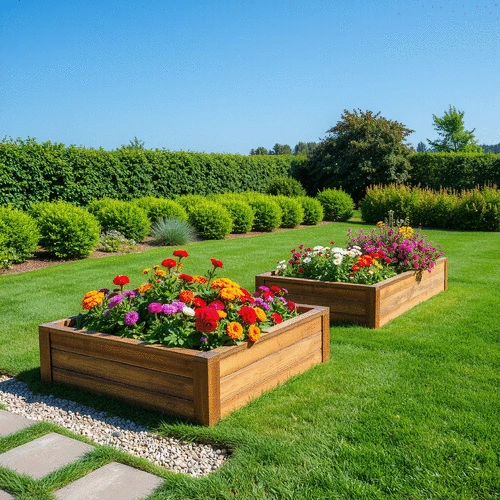
So, what exactly are raised flower beds? These are garden beds that are elevated above the surrounding soil, typically framed with materials like wood, stone, or metal. Their purpose is straightforward: they create a defined growing space that improves plant health and enhances your garden's aesthetics. Plus, they’re easier on the back—no more bending down to tend to your plants!
Defining Raised Flower Beds and Their Purpose
Raised flower beds serve multiple purposes in your garden. They:
- Improve soil drainage, preventing waterlogging.
- Allow for better control over soil quality and nutrients.
- Increase accessibility for planting and maintenance.
By defining the space, raised beds can also keep your garden tidy and organized, which is especially helpful if you have a bustling garden area!
Historical Context and Popularity of Raised Bed Gardening
Did you know that raised bed gardening isn't just a modern trend? Historically, this method dates back to ancient civilizations. It's believed that the Romans utilized similar techniques for better crop yields. Today, raised flower beds are gaining popularity among DIY gardeners for their adaptability and ease of use. More and more homeowners are discovering that they can beautify their landscapes while enjoying the practical benefits of this gardening method! For more inspiration on enhancing your outdoor areas, consider our guide on plants that boost curb appeal.
Benefits of Incorporating Raised Flower Beds in Your Garden
Now that we have a grasp on what raised flower beds are, let’s dive into the fantastic benefits they bring to your garden! These benefits not only enhance the visual appeal of your outdoor space but also promote healthier plant growth and easier maintenance.
Improved Soil Drainage and Nutrient Management
One of the standout advantages of raised flower beds is their ability to provide superior soil drainage. When you elevate your plants, excess water can escape more easily, preventing root rot and other moisture-related issues. Additionally, you can customize the soil mix to ensure that your plants receive the best nutrients needed for thriving growth.
Ease of Maintenance and Pest Control
Who doesn’t love a low-maintenance garden? With raised flower beds, you can enjoy easier weeding, watering, and harvesting. They can also deter some common pests, as the elevation makes it more challenging for them to reach your plants. Plus, the defined structure of the beds allows for better organization, making it simpler to keep track of plant health and growth. For more strategies on keeping your garden healthy, explore low-maintenance plants for gardens.
Enhancing Aesthetic Appeal and Landscape Design
Raised flower beds can add a stunning visual element to your garden design! They can be styled to match your personal taste and can serve as focal points. Whether you choose rustic wooden beds or sleek metal designs, the options are endless!
Environmental Benefits and Sustainability of Raised Beds
Lastly, incorporating raised flower beds into your garden promotes sustainability. By using organic materials and native plants, you can create a thriving ecosystem that benefits local wildlife. This approach aligns perfectly with our mission at Garden Plan Guide, where we encourage sustainable and accessible gardening practices for everyone!
Quick Summary
Here's a brief recap of the key points discussed so far:
- Raised flower beds improve soil drainage and nutrient management.
- They make gardening easier by reducing maintenance tasks and deterring pests.
- Incorporating eco-friendly materials and practices enhances sustainability in gardening.
Embracing Sustainability in Raised Bed Gardening
As I dive deeper into gardening, I've learned that sustainability isn't just a trend—it's a necessity! Raised bed gardening naturally lends itself to eco-friendly practices, allowing us to cultivate our gardens while nurturing the environment. By incorporating sustainable methods, we not only create beautiful spaces but also contribute positively to our planet.
One of the first steps to making your raised flower beds more sustainable is to choose eco-friendly materials. Opt for untreated wood or recycled materials to build your frames. If you're considering alternatives, materials like bamboo or stone can be both durable and aesthetically pleasing!
- Untreated wood (like cedar or redwood)
- Bamboo for a lightweight option
- Recycled metal for a modern twist
- Natural stone for a rustic look
Additionally, implementing practices such as composting can significantly enhance your soil quality and promote healthy plant growth. By creating your own compost, you're recycling kitchen scraps and yard waste, turning them into rich nutrients for your garden. Plus, it's a rewarding process that connects you more with your gardening journey!
Composting and Soil Amendments for Healthier Plants
Composting is one of the simplest ways to improve soil health. It enriches the soil, helps retain moisture, and encourages beneficial microorganisms. Whether you're using a simple compost bin or a worm composting system, the benefits are tremendous!
When creating your compost, aim for a balance of green materials (like vegetable scraps) and brown materials (like dried leaves). This balance helps speed up the decomposition process and results in rich compost that can be added to your raised beds.
- Vegetable scraps
- Dried leaves
- Grass clippings
- Eggshells for calcium
In addition to compost, consider using organic soil amendments like worm castings or manure. These can further boost nutrient levels and support plant growth, giving you a thriving garden to enjoy. This commitment to healthy soil is similar to how native plants for sustainable gardens thrive with appropriate care.
Water Conservation Strategies in Raised Bed Gardening
Water conservation is crucial, especially in today’s changing climate. Raised beds can help reduce water usage by increasing soil temperature and improving drainage, making watering more efficient. Here are some strategies I've found helpful:
- Install a drip irrigation system for direct watering.
- Use mulch to retain moisture and reduce evaporation.
- Collect rainwater in barrels for garden use.
- Water early in the morning or late in the evening to minimize evaporation.
By adopting these techniques, you're not just caring for your plants but also ensuring you're using our precious water resources wisely. It’s a win-win for both your garden and the environment!
Encouraging Local Gardening Communities
As I’ve navigated my gardening journey, engaging with local communities has been invaluable! There’s something truly special about sharing experiences, tips, and resources with fellow gardening enthusiasts. Plus, it’s a great way to feel connected to your local environment.
Start by visiting your local garden centers. They often provide not only supplies but also workshops and knowledgeable staff who can offer personalized advice. Building relationships with these centers can be beneficial for your gardening endeavors.
- Ask about upcoming workshops or events.
- Join a gardening club or community group.
- Utilize local nursery resources for plant recommendations.
By fostering these connections, you’ll discover a wealth of information and support that can help you take your raised bed gardening to the next level!
Participating in Gardening Workshops and Events
Attending local workshops and events can be a game-changer! They provide opportunities to learn from experts and meet fellow gardeners who share your passion. Plus, you might just pick up a few tricks to enhance your gardening skills.
Keep an eye out for seasonal events, plant exchanges, or community gardening fairs. Not only will you gain knowledge, but you’ll also likely find inspiration for your own projects!
- Check community boards for events.
- Follow local gardening groups on social media.
- Participate in seed swaps to diversify your garden.
These events can reignite your enthusiasm and offer fresh ideas, making your gardening experience even more enjoyable!
Community Gardening Initiatives for Shared Resources
Community gardens are a wonderful way to connect with others and share resources! They allow individuals to come together, working on a shared plot of land while growing their own plants. It’s a fantastic way to learn from each other and contribute to the community!
Consider joining or starting a community garden in your area. You’ll gain access to shared tools, knowledge, and a supportive network of fellow gardeners. Plus, it's an opportunity to contribute to local sustainability efforts!
- Find a community garden near you.
- Volunteer for a local gardening initiative.
- Organize a neighborhood planting day.
Through collaboration, we create not just beautiful gardens, but also thriving communities focused on sustainability and growth!
Frequently Asked Questions About Raised Flower Beds
As passionate gardeners, we often have questions that need answering! Let’s tackle some common FAQs that you might find helpful as you embark on your raised bed gardening journey.
What are the best plants for raised flower beds?
When it comes to selecting plants for your raised flower beds, consider varieties that thrive in your climate. For instance, I love planting marigolds, zinnias, and lavender for their vibrant colors and low maintenance. They not only look stunning but also attract pollinators!
How do I prevent pests in raised flower beds?
One effective way to control pests is through companion planting. For example, planting garlic among your flowers can naturally deter unwanted bugs. Additionally, using physical barriers like netting can keep pests at bay while still allowing sunlight and rain to nourish your plants.
Can I build raised beds in small spaces?
Absolutely! Raised flower beds can fit into almost any space, even small patios or balconies. Opt for smaller, vertical designs or use containers if you’re short on space. Don’t be afraid to get creative!
What is the role of native plants in raised bed gardens?
Native plants are fantastic for raised beds as they’re adapted to your local climate and soil conditions. They require less water and care, plus they provide habitats for local wildlife. Incorporating native plants can make your garden even more sustainable while enhancing its beauty!
Inspiring Action Towards Your Gardening Journey
Now that you have a treasure trove of information at your fingertips, it’s time to take action! Whether you’re dreaming of building your own raised flower beds or enhancing existing ones, every step you take brings you closer to a beautiful garden.
Steps to Start Your Raised Flower Bed Project Today
Feeling inspired? Here are some simple steps to kick off your project:
- Choose your location based on sunlight and accessibility.
- Gather your materials, keeping sustainability in mind.
- Consider the plants you want to grow and their needs.
- Start building your raised flower bed and enjoy the process!
Contact Local Gardening Services for Expert Advice
Never hesitate to reach out to local gardening services for guidance. They can provide invaluable insights tailored to your specific needs and goals. At Garden Plan Guide, we’re here to help you every step of the way, ensuring your gardening journey is enjoyable and successful! You might also find some great tips for enhancing curb appeal with trees to complement your new raised beds.
Recap of Key Points
Here is a quick recap of the important points discussed in the article:
- Raised flower beds improve soil drainage and allow better control over soil quality, which promotes healthier plants.
- They enhance accessibility for maintenance, making gardening easier on your back.
- Using sustainable materials like untreated wood or recycled options can minimize environmental impact.
- Implementing composting practices enriches soil and supports plant growth.
- Water conservation techniques, such as drip irrigation and mulching, help manage water resources effectively.
- Engaging with local gardening communities can provide support and resources, enhancing your gardening experience.
- Participating in workshops and community gardening initiatives fosters knowledge sharing and collaboration.