Have you ever walked through a beautifully landscaped garden and wondered what makes it so enchanting? The answer often lies in the trees that grace the space, providing not just beauty but also structure and harmony. In this article, we delve into the transformative power of trees in garden aesthetics and how they can elevate your outdoor experience.
What You Will Learn
- Trees serve as the backbone of garden design, adding structure, balance, and visual interest.
- Strategic placement of trees can create depth and focal points, enhancing the overall aesthetic of your garden.
- Incorporating a variety of trees that bloom in different seasons ensures year-round beauty and vibrancy.
- Selecting the right trees based on your garden's climate and soil conditions is essential for successful growth and beauty.
- Using a mix of evergreen and flowering trees can provide consistent greenery and seasonal splashes of color.
- Investing in trees not only beautifies your garden but also increases property value and contributes positively to the environment.
- Regular maintenance and care are crucial for keeping your trees healthy and ensuring they continue to enhance your garden's aesthetics.
Seasonal Changes of Tree Aesthetics
The beauty of trees lies in their seasonal transformations, adding vibrant hues and varied textures to your garden throughout the year. For more insights on selecting the perfect trees for visual impact, explore our guide on selecting trees for curb appeal.
Spring
Cherry blossoms and magnolias burst into color, bringing life to the garden.
Summer
Oaks and maples provide lush green canopies, offering shade and comfort.
Autumn
Maples transform into brilliant shades of red and gold, creating a warm atmosphere.
Winter
Evergreens maintain structure and color in the colder months, enhancing your garden's aesthetics.
Understanding the Role of Trees in Enhancing Garden Aesthetics
When it comes to transforming your garden, trees are much more than just plants; they frame our outdoor spaces and add extraordinary beauty! Incorporating trees can make a dramatic difference in your garden’s aesthetic appeal. From creating inviting pathways to providing shade, the right trees can elevate your garden design significantly. Let’s dive into how trees play a crucial role in enhancing the visual aspects of landscaping.
Exploring the Visual Impact of Trees in Landscaping
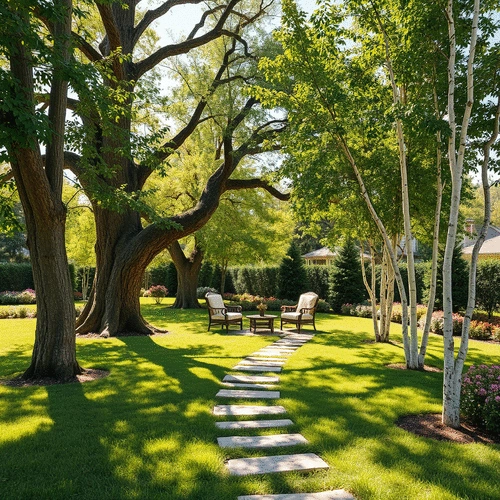
Trees serve as the backbone of a well-designed garden. They offer structure, balance, and a sense of harmony that guides the eye through your outdoor space. Think about this: a towering oak can create a stunning vertical element, while a low-growing flowering tree can soften edges. Trees bring a variety of colors and textures that change with the seasons, adding layers of interest to your landscape.
Creating Depth and Focal Points in Your Garden
One of the best ways to create depth in your garden is by strategically placing trees. For example, you can position taller trees in the back and shorter ones in the front; this layering effect draws the eye in and adds dimension. Consider these ideas for focal points: For more insights on this, you might find our article on beginner's guide to garden layout helpful.
- Plant a single ornamental tree as a centerpiece.
- Group several trees to form a mini grove.
- Add lighting to highlight specific trees at night.
This method not only beautifies your garden but also creates a welcoming atmosphere where you can relax and enjoy nature.
Seasonal Changes and Their Influence on Visual Appeal
The beauty of trees lies in their seasonal transformations. Imagine the vibrant hues of autumn leaves or the delicate blossoms of spring! By choosing a variety of trees that bloom at different times, you can ensure that your garden remains lively year-round. Here are some stunning seasonal changes to consider:
- Spring: Cherry blossoms and magnolias burst into color.
- Summer: Oaks and maples provide lush green canopies.
- Autumn: Maples transform into brilliant shades of red and gold.
- Winter: Evergreens maintain structure and color in the colder months.
These seasonal shifts not only enhance the visual appeal but also create a dynamic environment that changes with the time of year, making every visit to your garden feel unique!
Practical Tree Selection for Aesthetic Improvement
Now that we understand the visual impact trees have, let’s talk about how to choose the right ones for your space. Selecting trees that complement your garden while considering climate and soil conditions is key! Remember, the right tree can elevate your garden to new heights—literally and figuratively!
Choosing the Right Trees for Your Climate and Soil
Before planting, assess your garden’s unique conditions. Different trees thrive in different climates and soil types. Here are some factors to consider when selecting trees:
- Soil drainage: Ensure your soil can support the tree's root system.
- Sunlight availability: Choose trees that match the light conditions of your garden.
- Space: Consider how large the tree will grow both above and below ground.
By aligning your selections with these conditions, you’ll nurture a garden that flourishes beautifully!
Incorporating Evergreen and Flowering Trees for Year-Round Beauty
To maintain aesthetic appeal throughout the seasons, a mix of evergreen and flowering trees is ideal. Evergreens provide consistent greenery while flowering trees add bursts of color. Here are some trees to consider: For more tips on enhancing your landscape, check out our article on enhancing curb appeal with trees.
- Evergreens: Spruce and pine for year-round structure.
- Flowering Trees: Dogwood and cherry trees for vibrant seasonal displays.
These combinations will ensure your garden is always dressed to impress, regardless of the season!
Highlighting Ornamental Trees: Japanese Maple and Dogwood
Ornamental trees are fantastic choices for enhancing garden aesthetics. The Japanese Maple stands out with its stunning leaf shapes and colors, while the Dogwood dazzles in spring with its beautiful blooms. If you’re looking for impact, these trees can be spectacular focal points! They not only add visual interest but also create a serene atmosphere that invites relaxation.
Utilizing Shade Trees: Oak Tree and Red Maple
Shade trees like the Oak and Red Maple are essential for creating comfortable outdoor areas. They provide shelter from the sun and can help cool your garden on hot summer days. Plus, their majestic presence adds an element of elegance that can’t be beaten! Imagine reading a book under the sprawling branches of an oak—pure bliss.
In conclusion, understanding the role of trees in enhancing garden aesthetics is crucial for any DIY landscaping project. Trees not only beautify your space but also contribute to its overall health and function. So why not start exploring the right trees for your garden today? Happy gardening!
Pro Tip
When selecting trees for your garden, consider using native species. Native trees are adapted to your local climate and soil conditions, which means they tend to require less maintenance and support local wildlife more effectively. This creates a more sustainable and vibrant garden ecosystem!
Broader Benefits of Trees Beyond Aesthetics
While trees are often celebrated for their beauty, they offer an array of other benefits that can significantly enhance your garden and your overall environment. I’ve seen firsthand how trees can transform a space, not only visually but also ecologically. Let’s delve into the various advantages that trees bring to your backyard and beyond!
From improving air quality to providing refuge for wildlife, the impact of trees is profound. When you plant a tree, you’re not just adding a stunning visual element to your garden; you’re also contributing to a healthier ecosystem. It’s inspiring to think that something as simple as a tree can help make the world a better place!
Environmental Contributions of Trees in Your Garden
Trees play a crucial role in maintaining a balanced environment. By absorbing carbon dioxide and releasing oxygen, they are essential in improving air quality. Additionally, their root systems help control soil erosion, keeping your garden healthy and vibrant. Here are some key environmental benefits of trees:
- Improving Air Quality: Trees filter pollutants and dust from the air, making it cleaner and fresher.
- Controlling Erosion: The roots of trees stabilize the soil, preventing erosion and maintaining soil health.
- Reducing Urban Heat: Trees provide shade, helping to lower temperatures in urban areas and reduce energy costs.
Furthermore, trees can create much-needed habitats for local wildlife. Planting trees in your garden can attract birds, insects, and other creatures, making your outdoor space a vibrant ecosystem. Imagine enjoying the sounds of chirping birds while sipping your morning coffee! You can also consider native plants for sustainable gardens to further boost local wildlife.
Maintaining and Investing in Your Garden's Aesthetic Value
Investing in trees is a long-term commitment that pays off in multiple ways. Not only do they enhance the beauty of your garden, but they also add value to your property. As I’ve learned from my own experience at Garden Plan Guide, the right tree can elevate the aesthetics of your outdoor space and increase curb appeal!
When considering tree planting, it’s essential to weigh the costs. You can choose to do it yourself or hire professionals. Here’s a quick breakdown:
- DIY Planting: Lower initial costs, but requires time and effort to research and execute correctly.
- Professional Services: Higher upfront costs, but offers expertise in selection and planting, ensuring long-lasting results.
Regardless of your choice, establishing a maintenance schedule is crucial for keeping your trees healthy and beautiful. Regular care can help prevent problems down the line and ensure that your garden remains a captivating space for years to come.
Engaging Your Audience with Insights and Resources
Now that we’ve explored the benefits of trees, let’s inspire you with some visual examples! Seeing successful tree integrations can spark your creativity and help you envision how trees can enhance your garden.
I'll share a gallery of stunning transformations that showcase the incredible impact of trees in gardens. It’s amazing how a well-placed tree can completely change a space!
Visual Inspirations: Case Studies and Before-After Transformations
In this section, I want to highlight a few remarkable transformations that were made possible by the addition of trees. These examples will illustrate just how impactful trees can be in a garden:
- Before: An empty backyard with minimal landscaping.
- After: A lush retreat featuring a beautiful oak tree and colorful flower beds.
- Before: A dull front yard lacking curb appeal.
- After: A vibrant entrance with a flowering dogwood that draws the eye.
These transformations not only make the gardens more beautiful but also demonstrate the value of integrating trees into your landscaping plans. Have you considered how you might transform your garden? I would love to hear about your experiences!
Frequently Asked Questions About Trees and Garden Aesthetics
As you embark on your journey to enhance your garden’s aesthetics with trees, you may have some questions. Here are a few that I often encounter along with helpful answers:
How to Select Trees Based on Garden Size
Choosing the right tree for your garden size is essential. Smaller gardens benefit from compact trees, while larger spaces can accommodate more significant species. Always consider the mature size of the tree when making your selection! For smaller gardens, you might want to explore decorative trees for small gardens.
Best Practices for Seasonal Tree Care
Seasonal care for trees involves regular watering, mulching, and pruning. It's important to adjust your care routine based on the time of year to keep your trees healthy and looking their best!
Conclusion and Call to Action for Garden Enhancement
In conclusion, trees are not just beautiful additions to your garden; they are vital contributors to our environment and well-being. I encourage you to consider how you can incorporate trees into your own outdoor space!
For those looking for personalized solutions, I recommend exploring local tree services that can provide expert guidance tailored to your garden’s needs. And hey, if you’ve made transformations in your own garden, don’t hesitate to share your stories with me—I’d love to hear about your journey!
Let’s not forget the joy of exploring specialty trees! Think about fruit trees or unique specimens that can add character to your garden. Happy planting!
Recap of Key Points
Here is a quick recap of the important points discussed in the article:
- Trees enhance garden aesthetics by providing structure, balance, and seasonal interest.
- Strategically placing trees creates depth and focal points, drawing the eye through your garden.
- Select trees based on climate, soil conditions, and space to ensure they thrive and contribute positively.
- Incorporate a mix of evergreen and flowering trees for year-round beauty and visual interest.
- Regular maintenance is essential to keep trees healthy and maintain the aesthetic value of your garden.
- Trees improve air quality, reduce erosion, and provide habitats for wildlife, enhancing the overall ecosystem.