Have you ever considered how much your outdoor space influences the overall appeal of your home? Hardscaping plays a pivotal role in creating an inviting and functional environment. By understanding its benefits and implementing thoughtful designs, you can transform your yard into a stunning oasis.
Key Takeaways
- Hardscaping elements like walkways and patios provide structure and enhance the functionality of gardens, making them more enjoyable.
- Investing in well-designed hardscaping can increase your property's resale value by enhancing first impressions and creating usable outdoor spaces.
- Understanding the costs associated with various hardscaping projects, such as patios and walkways, helps you plan your budget effectively.
- Selecting the right materials is crucial for durability and maintenance; options like natural stone and pavers offer different benefits.
- Seasonal maintenance tasks, such as cleaning and resealing, are essential for preserving the beauty and longevity of hardscaping features.
- Thoughtful hardscaping design can create welcoming spaces that influence visitor perceptions and enhance the overall atmosphere of your home.
- Incorporating effective drainage solutions in your hardscape design is vital to protect your investment and maintain the aesthetics of your outdoor space.
Cost Comparison of Common Hardscaping Projects
Here's a breakdown of costs associated with various hardscaping elements that can impact your budget. For more ideas on how to boost your home's exterior appeal, consider enhancing curb appeal with trees.
Walkways
$10 - $30 per square foot depending on materials used.
Patios
$15 - $50 per square foot, influenced by design and material choices.
Retaining Walls
$20 - $50 per square foot, depending on height and complexity.
Driveways
$10 - $25 per square foot for basic paver options.
Understanding the Role of Hardscaping in Curb Appeal Enhancement
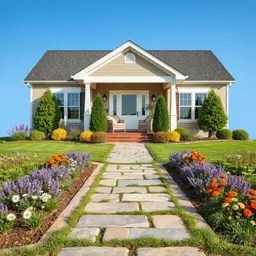
When we talk about enhancing curb appeal, one of the key players is hardscaping. This includes elements like walkways, patios, fences, and retaining walls that create structure and definition in a garden space. Think of hardscaping as the backbone of your outdoor design—these features provide functionality and support the beauty of your garden, making it more inviting and enjoyable to be in.
Incorporating hardscaping elements can truly transform an ordinary yard into an extraordinary outdoor space. Not only do they contribute to aesthetics, but they also help with practical aspects such as drainage and accessibility. With a little creativity, you can use hardscaping to highlight flowers, shrubs, and trees, leading to a cohesive, visually appealing design!
Defining Hardscaping and Its Importance
So, what exactly is hardscaping? It refers to the non-plant elements in your landscape, like stone walkways, concrete patios, and wooden fences. These components are essential because they serve various purposes, from providing pathways for easy movement to creating relaxing spaces for outdoor gatherings. If you're looking for simple and effective ways to improve your home's exterior without extensive renovations, explore more simple DIY curb appeal ideas.
Moreover, hardscaping plays a vital role in enhancing the overall look of your home. Here are some key benefits:
- Adds Structure: It gives your garden a defined layout and organizes different areas.
- Increases Usability: Providing functional spaces, like seating and walkways, enhances how you enjoy your outdoor area.
- Reduces Maintenance: Hard surfaces can minimize the need for constant landscaping upkeep.
The Connection Between Hardscaping and Property Value
You might be wondering, how does hardscaping impact my home's value? Well, the answer is simple: the right hardscaping choices can significantly influence your home’s resale value. Think of it as an investment in your property. Well-designed outdoor spaces are not just visually appealing—they can also attract potential buyers!
Here are some ways hardscaping can boost your property's worth:
- Enhances First Impressions: A beautiful exterior can create a lasting impression on visitors and potential buyers.
- Increases Usable Space: Patios and decks extend your living area outdoors, making your home feel larger.
- Attracts Smart Buyers: Many buyers love the idea of low-maintenance yards, and hardscaping can offer just that.
Key Hardscaping Elements to Enhance Your Home's Curb Appeal
Now that we understand hardscaping's vital role, let’s dive into some key elements you can incorporate to enhance your home’s curb appeal!
Quick Summary
Here's a brief recap of the key points discussed so far:
- Hardscaping Basics: Hardscaping includes non-plant elements like walkways, patios, and fences that enhance both aesthetics and functionality.
- Impact on Property Value: Well-designed hardscaping can significantly improve your home's curb appeal and resale value.
- Maintenance Matters: Regular upkeep and seasonal care are crucial for preserving the beauty and longevity of hardscaping features.
Planning Your Hardscape Project: Budgeting and Execution
When diving into a hardscape project, it’s crucial to start with a solid budget plan. Knowing what you can spend helps prioritize which hardscaping elements to tackle first. Let’s break down some typical costs associated with various hardscaping projects so you can plan effectively!
Breaking Down Costs for Various Hardscaping Projects
Understanding the costs involved in different hardscaping projects can save you from surprise expenses later on. Here’s a general overview of what you might expect for the most common elements:
- Walkways: $10 - $30 per square foot depending on materials used.
- Patios: $15 - $50 per square foot, influenced by design and material choices.
- Retaining Walls: $20 - $50 per square foot, depending on height and complexity.
- Driveways: $10 - $25 per square foot for basic paver options, more for decorative finishes.
These figures can vary based on location and contractor rates, so it’s wise to get multiple quotes. Planning for about 10-15% extra is always a good buffer for unexpected costs!
DIY vs. Professional Installation: What to Consider
One of the biggest decisions you’ll need to make is whether to tackle your hardscaping project yourself or hire a professional. Both options have their pros and cons, so let’s weigh them:
- DIY: More cost-effective, lets you learn skills, and gives a personal touch.
- Professional: Typically faster, ensures quality, and may provide warranties on work.
Before deciding, consider your skill level and the complexity of the design. If it’s a simple walkway, go for it! But for intricate patios or retaining walls, hiring a pro might save you time and headaches.
Implementing Drainage Solutions in Your Hardscape Design
One often-overlooked aspect of hardscaping is proper drainage. Without it, you risk damaging your beautiful features or, worse, your home’s foundation! Here are some tips for including effective drainage solutions:
- French Drains: A smart way to direct water away from your structures.
- Permeable Pavers: Great for allowing water to seep through and reduce runoff.
- Grading: Ensure your yard slopes away from your home for natural water flow.
Incorporating these solutions not only protects your investment but also maintains the beauty of your outdoor space. Trust me, it's worth the effort!
Long-Term Maintenance and Care for Hardscaping
Just like your garden, hardscaping requires some love and care to last. Regular maintenance ensures that your outdoor features not only look great but also function well over time. Here’s how to keep your hardscape in top shape!
Seasonal Maintenance Tips for Hardscape Elements
Taking care of your hardscape doesn’t have to be daunting! Here are some simple seasonal tips:
- Spring: Clean debris and inspect for any winter damage.
- Summer: Power wash surfaces to remove dirt and moss.
- Fall: Reseal pavers and bricks to protect against winter weather.
- Winter: Remove snow gently to avoid damaging surfaces.
Following these seasonal tasks can extend the life of your hardscaping, giving you more time to enjoy your beautiful outdoor oasis!
Durability Comparisons of Various Hardscape Materials
Choosing the right materials for your hardscape can significantly affect longevity and maintenance needs. Here’s a quick comparison:
- Natural Stone: Extremely durable, but can be costly.
- Pavers: Versatile and long-lasting, with a wide range of styles.
- Concrete: Affordable and strong, but may require resealing.
- Brick: Timeless and durable, but can be prone to cracking.
Evaluate your local climate and how much wear and tear your outdoor space will face when selecting materials. I always recommend thinking long-term!
Best Practices for Hardscape Maintenance and Care
To keep your hardscape looking fabulous, consistency in maintenance is key. Here are some best practices:
- Regular Cleaning: Sweep away debris and use a mild cleaner for tough stains.
- Weed Control: Address weeds as they sprout to prevent them from taking root.
- Check for Damage: Regularly inspect for cracks or shifting materials.
- Reseal Surfaces: Resealing every few years can protect your investment.
With these practices in place, your hardscaping will not only enhance curb appeal but also stand the test of time! Remember, every step you take in maintaining your outdoor space contributes to its beauty and functionality.
Understanding the Psychological Impact of Hardscaping
Hardscaping isn’t just about aesthetics; it also plays an essential role in how we feel in our outdoor spaces. It can create a sense of calm or excitement! Let’s explore how your choices can influence emotions and perceptions.
How Hardscape Choices Influence Visitor Perception
When visitors come to your home, the hardscaping elements set the tone for their experience. Here are a few ways it can impact their perception:
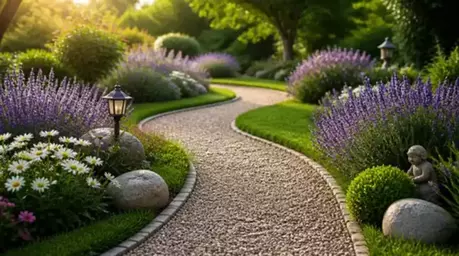
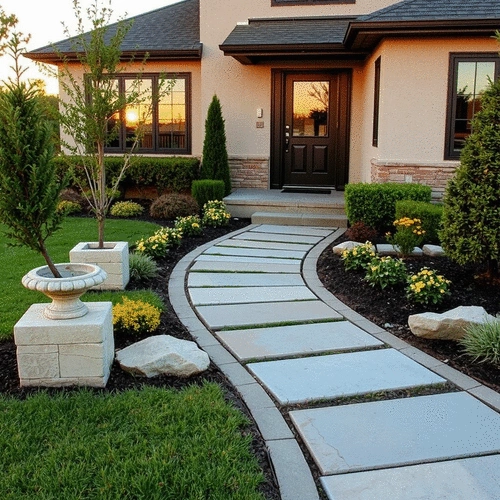
- Welcoming Paths: Clear, inviting walkways make guests feel at home.
- Cozy Patios: Outdoor living spaces encourage relaxation and social interaction.
- Stunning Retaining Walls: They can create height and interest, drawing the eye.
By carefully selecting your hardscape features, you can influence the atmosphere of your entire home. It’s all about creating the right vibe!
Creating Welcoming Spaces Through Effective Design
Design is key to crafting inviting outdoor spaces. Here are some strategies to consider:
- Layering Materials: Mix textures for a more dynamic look.
- Incorporating Seating: Include benches or chairs to encourage gathering.
- Color Harmony: Choose colors that complement your home’s exterior.
These thoughtful choices can transform an ordinary space into a warm, inviting retreat. It’s about creating a sanctuary that reflects your personality and welcomes others! For more ideas on how to transform your outdoor areas, consider simple patio landscaping ideas.
FAQ: Enhancing Your Home with Hardscaping
Here are some frequently asked questions about hardscaping to help you better understand its impact and implementation:
- What is hardscaping?
- Hardscaping refers to the non-plant elements in your landscape, such as stone walkways, concrete patios, wooden fences, and retaining walls. These elements provide structure, functionality, and aesthetic appeal to outdoor spaces.
- How does hardscaping enhance curb appeal?
- Hardscaping creates defined layouts, adds visual interest, and provides functional spaces that make your outdoor area more inviting. Well-designed hardscaping can significantly improve the first impression of your home.
- Does hardscaping increase property value?
- Yes, investing in quality hardscaping can increase your home's resale value. It enhances first impressions, extends usable living space outdoors, and often appeals to buyers looking for low-maintenance yards.
- What are the typical costs for hardscaping projects?
- Costs vary depending on the project and materials. For example, walkways can range from $10-$30 per square foot, patios from $15-$50 per square foot, retaining walls from $20-$50 per square foot, and driveways from $10-$25 per square foot for basic options.
- Should I DIY my hardscaping project or hire a professional?
- The decision depends on your skill level and the project's complexity. DIY can be cost-effective for simple projects, while professionals offer speed, quality assurance, and potential warranties for more intricate designs.
- Why is drainage important in hardscaping?
- Proper drainage is crucial to prevent damage to your hardscaping features and, more importantly, your home's foundation. Solutions like French drains, permeable pavers, and proper grading help manage water runoff effectively.
- What maintenance do hardscaping elements require?
- Regular cleaning (sweeping, power washing), weed control, inspecting for damage, and resealing surfaces (especially pavers and bricks) every few years are essential for preserving the beauty and longevity of hardscaping. Seasonal care is also recommended.
- How do different hardscape materials compare in durability?
- Natural stone is highly durable but costly. Pavers are versatile and long-lasting. Concrete is affordable and strong but may need resealing. Brick is timeless and durable but can crack over time. Material choice should consider climate and wear.
These thoughtful choices can transform an ordinary space into a warm, inviting retreat. It’s about creating a sanctuary that reflects your personality and welcomes others!
Conclusion and Next Steps for Your Hardscaping Journey
As we wrap up this exploration into hardscaping, remember the myriad benefits it offers—from enhancing curb appeal to increasing property value. Whether you’re considering a simple update or a complete transformation, the right hardscaping can make a world of difference!
Summarizing the Benefits of Incorporating Hardscaping
Here’s a quick recap of why hardscaping is essential for your home:
- Boosts Curb Appeal: Creates a more inviting first impression.
- Increases Property Value: Well-planned hardscaping can enhance resale potential.
- Enhances Functionality: Provides usable outdoor space for relaxation and entertainment.
With these compelling benefits, it’s clear that hardscaping is a worthy investment for any homeowner! To get started on your transformation, learn more about designing your outdoor living space.
Encouraging Action: Start Your Hardscape Transformation Today
Now that you’re equipped with knowledge about hardscaping, it’s time to assess your outdoor space! What elements do you want to incorporate? At Garden Plan Guide, we’re here to help you explore options and inspire your hardscaping journey. Let’s get started today!
Recap of Key Points
Here is a quick recap of the important points discussed in the article:
- Definition of Hardscaping: Non-plant elements like walkways, patios, and fences that provide structure and functionality to outdoor spaces.
- Benefits of Hardscaping: Enhances curb appeal, increases usability, and reduces maintenance by defining garden areas.
- Impact on Property Value: Good hardscaping can improve first impressions, extend usable space, and attract buyers looking for low-maintenance options.
- Budgeting for Projects: Understanding costs for elements like walkways and patios is crucial for effective planning.
- DIY vs. Professional: Weigh the pros and cons based on skill level and project complexity when deciding on installation methods.
- Drainage Solutions: Incorporate features like French drains and permeable pavers to protect your hardscaping investment.
- Maintenance Tips: Regular cleaning, weed control, and seasonal care can prolong the life and appearance of hardscaping features.
- Psychological Effects: Thoughtful hardscape design can create welcoming spaces that enhance visitor perception and emotional responses.