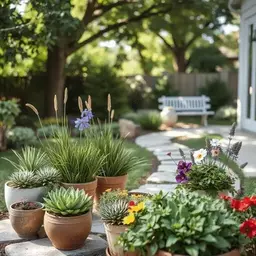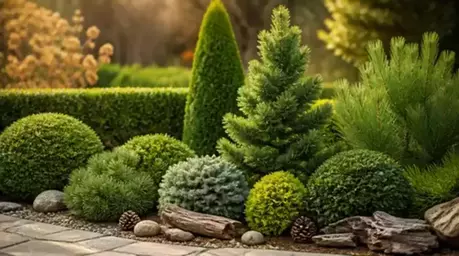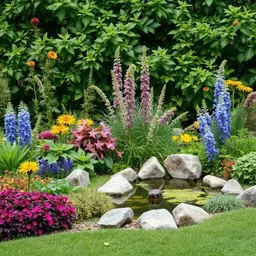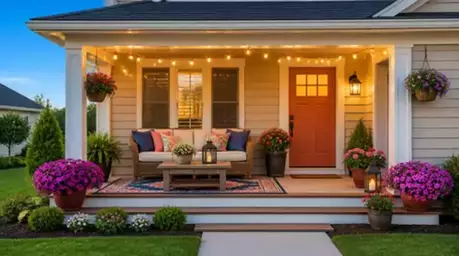
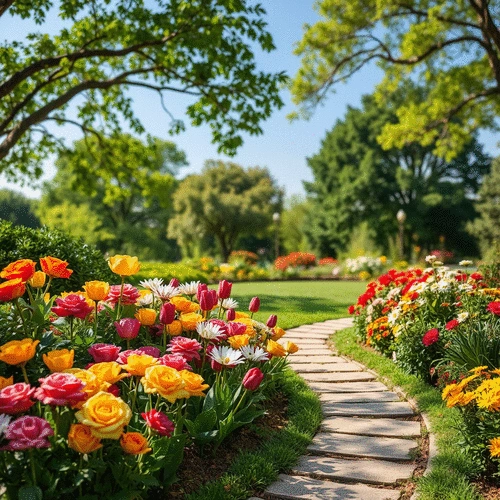
Color is not just a visual element in garden design; it has the power to influence mood and emotions. By understanding color psychology, you can transform your garden into a place of beauty and serenity. This article provides insights into how to utilize colors effectively in your outdoor space.
What You Will Learn
- Warm colors (reds, yellows) energize spaces and are great for social areas.
- Cool colors (blues, greens) promote calmness, ideal for relaxation zones.
- Strategic placement of colors can enhance flow and guide movement through your garden.
- Contrast and harmony in color choices create visual interest and a cohesive design.
- Utilize the color wheel for selecting complementary plants to enhance your garden's appeal.
- Incorporate lighting to accentuate colors and create a magical atmosphere at night.
Color Psychology and Its Impact on Garden Aesthetics
Key insights into the role of color in garden design:
Warm Colors
Energize and invite activity, perfect for entertainment areas.
Cool Colors
Promote calm and relaxation, ideal for quiet corners.
Contrast
Creates visual interest and can draw the eye to certain features.
Harmony
Ensures all elements work together to create a cohesive look.
Understanding How Color Influences Garden Design
Color is more than just a visual aspect of garden design; it plays a crucial role in how we perceive our outdoor spaces. As someone who has spent years transforming gardens into beautiful havens, I've seen firsthand how the right colors can create inviting atmospheres and evoke strong emotions. At Garden Plan Guide, we believe that understanding the psychology of color is essential for any homeowner looking to enhance their landscape.
When planning your garden, consider how different colors can affect mood and feelings. For instance, warm colors like reds and yellows can create a sense of energy and vitality, while cool tones like blues and greens tend to produce calmness and tranquility. Striking the right balance can lead to a garden that feels just as good as it looks! You can also boost your garden's aesthetic appeal by enhancing curb appeal with trees.
The Role of Color Psychology in Landscape Design
Color psychology is the study of how colors influence human behavior and emotions. In landscape design, it’s a powerful tool! By understanding how colors interact with our feelings, you can make informed choices that enhance your garden's ambiance.
Warm colors can be used to draw attention and energize a space, making them ideal for areas where you entertain guests. On the other hand, cool colors are perfect for creating a peaceful retreat. Let’s explore these contrasting tones further!
Warm Colors vs. Cool Tones: Setting the Mood
Warm colors like red, orange, and yellow are often associated with feelings of excitement and warmth. Here’s how you can use them in your garden:
- Accent Flowers: Use bright flowers like marigolds and geraniums to create focal points.
- Pathway Borders: Incorporate warm-toned stones or tiles to guide visitors into cozy spaces.
- Seating Areas: Add cushions in warm colors to outdoor furniture for a welcoming touch.
In contrast, cool tones like blue, green, and purple evoke calmness and serenity. Here are some ways to integrate these tones:
- Water Features: Consider adding blue ceramic pots or a small pond for tranquility.
- Shade Plants: Opt for green foliage plants that provide a lush, cooling effect.
- Relaxation Zones: Create cozy reading nooks with soft blues and purples to relax after a long day.
How Color Choices Affect Perception and Emotion
Your choice of colors can truly shape how a garden feels and how people experience it. Bright colors can activate energy, while softer shades can create a sense of peace. Each color has its unique ability to trigger different feelings, thus affecting how we enjoy our gardens.
For example, a garden filled with vibrant yellows and reds can feel lively and inviting, making it perfect for a gathering space. Conversely, a shaded area with deep blues and greens might be better suited for quiet reflection or meditation. The colors you choose will resonate with visitors, so think carefully!
Strategic Color Placement in Your Garden
Once you've grasped the basics of color psychology, it’s time to think about strategic placement. How you position colors in your garden can enhance flow and create visual appeal. I often advise homeowners to consider their garden's layout when deciding where to use specific colors.
For instance, bold colors can serve as focal points that draw the eye, while softer hues can provide balance and harmony. Let’s dive into how you can effectively use color in your design! You might also consider a beginner's guide to garden layout for further inspiration.
Creating Focal Points: Where to Use Bold Colors
Bold colors should be used sparingly to create striking focal points in your garden. Here are some tips for effective use:
- Highlight Key Features: Use bright flowers to draw attention to sculptures or garden benches.
- Accent Walls: Paint a wall in a bold color to create a stunning backdrop for plants.
- Container Gardens: Mix vibrant pots with plants for an eye-catching display.
By placing these bold colors strategically, you’ll guide visitors' eyes to the most important aspects of your garden, creating a sense of connection and interest.
Guiding Movement with Color: Pathways and Flow
Color can also help guide movement through your garden. Using cohesive color strategies for pathways and transitions can enhance the flow. Consider these ideas:
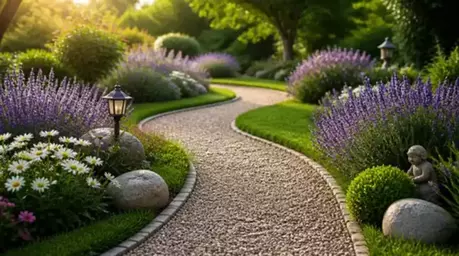
- Pathway Colors: Light-colored stones can create an inviting path that leads through your garden.
- Plant Arrangements: Arrange plants in a gradient, transitioning from warm to cool colors along the path.
- Subtle Markers: Use colored markers or lights to direct visitors through different areas.
This thoughtful placement of color not only enhances navigation but also creates a seamless experience as visitors explore your outdoor space. Remember, every step can be a visual delight!
Color Contrast and Harmony in Garden Design
Understanding how to achieve contrast and harmony in your garden design is crucial. This is where color theory comes into play! It can help you create visually striking landscapes that are also pleasant to the eye.
By balancing contrasting colors, you can create interest while maintaining a sense of peace. Let's look into how to effectively apply this concept!
Understanding Color Theory and Its Application
Color theory involves understanding how colors interact with one another. Complementary colors, for instance, are directly opposite on the color wheel and create vibrant contrast. Here’s how you can use this in your garden:
- Pairing Plants: Combine orange and blue flowers for a lively contrast.
- Design Elements: Use contrasting colors in garden decor to enhance visual interest.
- Seasonal Shifts: Change plants seasonally to maintain a fresh look throughout the year.
This way, you can maintain visual excitement in your garden while ensuring a harmonious overall design!
Utilizing the Color Wheel for Effective Plant Selection
The color wheel is an excellent tool for selecting plants that complement one another. By choosing plants based on the wheel, you can create a cohesive look. Here are some tips for utilizing the color wheel:
- Analogous Colors: Select colors that are next to each other on the wheel for a serene effect.
- Triadic Colors: Use three colors that are evenly spaced on the wheel for a vibrant, lively garden.
- Monochromatic Schemes: Choose varying shades of a single color for a sophisticated look.
By keeping the color wheel in mind, you’ll cultivate a garden that is not only beautiful but also well-planned and appealing to the senses!
Pro Tip
To maximize the emotional impact of your garden, consider creating "color zones" based on the activities you envision. For instance, if you want a vibrant space for gatherings, use bold warm colors like reds and oranges to energize the atmosphere. In contrast, designate a quiet nook with soft blues and greens for relaxation and meditation. This intentional design can enhance the overall experience of your garden and make it a multifunctional space!
Summarizing Key Insights on Color Integration in Garden Design
As we conclude our exploration of color in garden design, let’s take a moment to reflect on how colors can truly transform your outdoor space! Understanding color psychology is vital in creating a garden that not only looks beautiful but also feels right for your home. Remember, the colors you choose can impact your emotions and the overall atmosphere of your garden.
Incorporating vibrant hues or soothing shades can set the tone for serenity or vibrancy. Think about how warm colors like reds and oranges can energize a space, while cool tones like blues and greens promote relaxation. Each color carries its own influence, and aligning it with your garden’s purpose can enhance its beauty and function. For more ideas on how different elements can impact your outdoor area, explore designing your outdoor living space.
Recap of Color Psychology and Its Impact on Garden Aesthetics
To recap, color psychology plays a crucial role in landscape design. Here’s a quick overview of key insights you should keep in mind:
- Warm Colors: Energize and invite activity, perfect for entertainment areas.
- Cool Colors: Promote calm and relaxation, ideal for quiet corners.
- Contrast: Creates visual interest and can draw the eye to certain features.
- Harmony: Ensures all elements work together to create a cohesive look.
By integrating these elements into your design, you can create a garden that not only delights the eye but also nurtures the spirit. Don’t forget that every garden tells a story; choose colors that reflect your personality and values!
Encouraging Action: How to Start Your Colorful Garden Journey
Ready to embark on your colorful gardening adventure? Here are a few actionable steps to help you get started:
- Begin with a color palette that resonates with you! Pick your favorite hues and consider how they fit within your existing landscape.
- Explore local nurseries for plants that match your chosen colors! Native plants can be particularly effective for a sustainable garden.
- Consider professional landscaping services if you’re feeling overwhelmed. They can provide valuable insights and expertise!
Additionally, garden lighting can dramatically enhance your color choices, transforming your space into a nighttime paradise. Strategic lighting can highlight specific colors, creating a warm and inviting atmosphere in the evenings.
Connecting with Landscaping Services for Professional Help
If you’re unsure where to begin, connecting with a local landscaping service can be a game changer! Professionals can assist you in selecting the right plants and colors that align with your vision and help maintain your garden as it grows. Plus, their expertise can save you time and ensure a seamless design process.
Considering Garden Lighting for Enhanced Aesthetic Appeal
Don’t overlook the impact of lighting in your garden. Proper lighting can accentuate colors and create dramatic effects, especially at night. Consider installing path lights, spotlights, or even string lights to enhance your garden’s charm. You’ll be amazed at how lighting can bring your vibrant colors to life! For more on this, consider how to enhance curb appeal with lighting.
Answering Common Questions about Garden Color Schemes
FAQs About Seasonal Color Palettes and Plant Choices
As we wrap up, I want to address some common questions regarding seasonal color choices:
- What are the best plants for seasonal color? Look for perennials that bloom at different times throughout the year. This ensures your garden is always lively!
- How do I choose a color palette? Start by selecting a few favorite colors and consider how they will work together in your space.
- Can I mix different styles in my garden? Absolutely! Mixing styles can create an eclectic and unique garden that reflects your personality.
Remember, there's no one-size-fits-all answer in gardening. It’s all about what makes you happy!
Providing Resources and Tools for Ongoing Learning
To further support your journey, here are some valuable resources:
- Explore blogs that focus on color theory in gardening; you might find new inspiration!
- Look for color planning tools and apps that can help you visualize your garden before planting.
- Don’t forget to check out local urban gardens or outdoor living spaces for real-life examples of stunning color integration!
By leveraging these tools and resources, you’ll continually learn and grow as a gardener. Remember, at Garden Plan Guide, we’re here to help you along the way. Let’s create a garden that’s not just beautiful but feels like home!
Frequently Asked Questions About Garden Color Design
- Q: How do warm colors affect garden spaces?
- A: Warm colors like reds and yellows energize spaces, making them ideal for social areas and entertainment zones where you want to create a lively atmosphere.
- Q: What mood do cool colors create in a garden?
- A: Cool colors such as blues and greens promote calmness and tranquility, making them perfect for relaxation zones and quiet corners in your garden.
- Q: How can I use color to guide movement in my garden?
- A: Strategic placement of colors, such as arranging plants in a gradient or using light-colored stones for pathways, can enhance flow and subtly direct visitors through your garden space.
- Q: Why is contrast important in garden color schemes?
- A: Contrast creates visual interest and can draw the eye to specific features or focal points in your garden, preventing the design from looking monotonous.
- Q: How does the color wheel help with plant selection?
- A: The color wheel is a valuable tool for selecting complementary plants. You can use it to choose analogous colors for a serene effect, triadic colors for vibrancy, or monochromatic schemes for sophistication, ensuring a cohesive design.
- Q: Can lighting affect how colors are perceived in a garden?
- A: Yes, proper garden lighting can dramatically enhance and accentuate colors, transforming your space into a magical atmosphere at night and highlighting the visual impact of your chosen palette.
Recap of Key Points
Here is a quick recap of the important points discussed in the article:
- Understanding Color Psychology: Recognize how colors influence emotions and perceptions in garden design.
- Warm vs. Cool Colors: Warm colors energize spaces, while cool colors promote relaxation—use them strategically based on your garden's purpose.
- Focal Points: Utilize bold colors to create striking focal points and direct visitor attention to key features.
- Contrast and Harmony: Balance contrasting colors to maintain visual interest and harmony within your garden.
- Color Wheel Application: Use the color wheel to select complementary plants and create a cohesive look throughout the seasons.