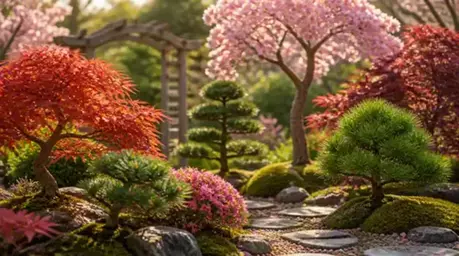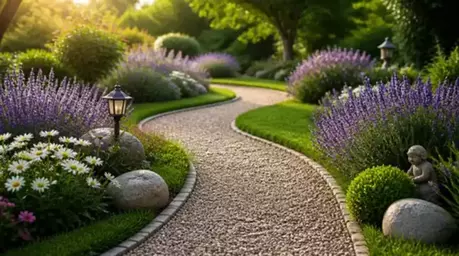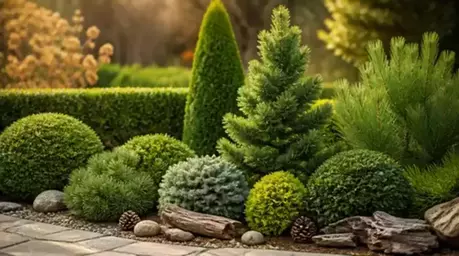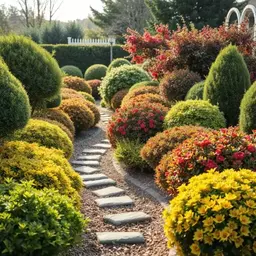
Evergreens are not just beautiful; they are the unsung heroes of garden design! These plants provide stability and interest throughout the seasons, ensuring your garden shines all year round. Are you ready to transform your outdoor space into a vibrant four-season escape?
What You Will Learn
- How to incorporate a variety of plant heights and textures for a dynamic garden design.
- The importance of evergreens as a stable framework that enhances year-round visual appeal.
- Strategies for planning seasonal color changes to maintain interest across all seasons.
- Tips for selecting evergreen plants based on local climate and soil conditions for optimal growth.
- How native evergreen species support local wildlife and promote sustainability in gardening.
- Best practices for creating habitats for birds and beneficial insects in your garden.
- Key considerations for integrating evergreens with seasonal flowers for continuous color and interest.
Evergreen Plants: Backbone of Four-Season Gardens
Integrating evergreens into your garden enhances its structure and appeal throughout the year. Below is a visual representation summarizing the benefits of evergreen plants in a four-season garden. For more ideas on how to boost your home’s aesthetic, consider plants that boost curb appeal.
Year-Round Structure
Evergreen plants provide a stable framework that supports seasonal changes, ensuring visual appeal even in winter.
Moderate Temperatures
Acting as natural windbreaks, evergreens protect more delicate plants from harsh winter winds, promoting garden health.
Wildlife Habitats
Evergreens create habitats for birds and beneficial wildlife, enhancing biodiversity in your garden.
Seasonal Interest
By incorporating evergreens, gardens can maintain color and interest throughout all four seasons.
Understanding the Importance of Evergreen Plants in Four-Season Gardens
When it comes to creating a stunning, inviting garden, understanding the structure is crucial! A four-season garden is designed to maintain visual appeal throughout the year, showcasing beauty in every season. This type of garden relies on a mix of plants, but evergreens play a special role—they are like the backbone of your garden, providing stability and consistency when other plants may be dormant.
So, what exactly does a four-season structure look like? It's all about layering different types of plants, considering their heights, colors, and blooming times. By thoughtfully placing evergreens among flowering shrubs and seasonal plants, you can create a rich tapestry that keeps your landscape looking lively, even in the depths of winter. Imagine stepping outside to a garden that feels alive and vibrant, no matter the time of year!
Defining Four-Season Structure in Garden Design
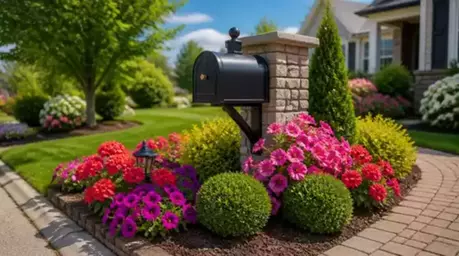
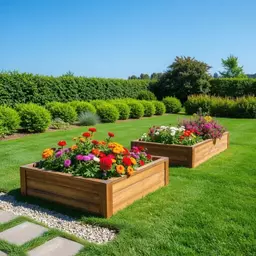
A four-season garden isn't merely a collection of plants; it's a carefully crafted design that encourages year-round interest. One way to achieve this is by incorporating plants that offer differing heights and textures, which adds dimension and depth. Think about using taller evergreens at the back, with shorter flowering plants in the front. This layering creates a visually appealing backdrop.
Another important aspect is ensuring that every season has something to offer. For instance, in spring, your flowering bulbs will burst into color, while summer brings lush foliage. Fall showcases colorful leaves, and winter is brightened by the steadfast presence of evergreens. It’s about creating a garden that tells a story throughout the year! For more ideas on how to incorporate these elements, explore a beginner's guide to garden layout.
- Incorporate a variety of plants for height and texture.
- Plan for seasonal color changes to maintain interest.
- Use evergreens to provide a consistent backdrop.
The Role of Evergreen Plants as the Garden Backbone
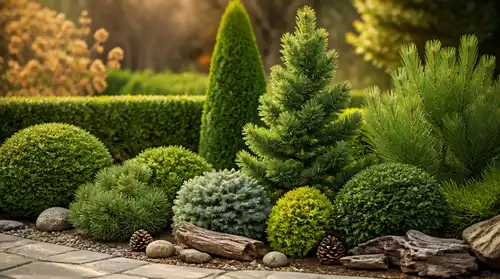
Evergreen plants are often hailed as the essential components of a four-season garden. They provide a stable framework that supports seasonal changes and acts as a focal point even in the coldest months. Without evergreens, gardens tend to look bare and lifeless during winter, making these plants invaluable.
Moreover, evergreens help to moderate temperatures in your garden. They act as natural windbreaks, protecting more delicate plants from harsh winter winds. This protective aspect not only enhances the health of your garden but also creates shelter for wildlife. Imagine birds taking refuge in your garden during chilly days—it’s a delightful thought!
- Provide year-round structure and visual appeal.
- Act as windbreaks to protect delicate plants.
- Create habitats for birds and beneficial wildlife.
Pro Tip
To maximize the benefits of your evergreen plants, consider incorporating a variety of species with different textures and colors. This diversity not only enhances visual interest throughout the seasons but also supports a healthier ecosystem by attracting a wider range of wildlife.
Summarizing the Benefits of Evergreen Plants for Year-Round Structure
Evergreen plants serve as the backbone of a four-season garden, offering structure and beauty all year long. They provide a foundation that enhances the overall design, ensuring that even in the coldest months, your garden retains its charm. From improving curb appeal to offering habitats for wildlife, the advantages of incorporating evergreens are truly remarkable!
When selecting your evergreen plants, consider factors like your specific USDA zone and the light conditions of your garden. This will help you choose varieties that not only thrive but also complement the other plants in your landscape. Remember, a well-planned garden is one where all elements work together harmoniously, creating a vibrant tapestry of life throughout the seasons. For selection guidance, our article on low-maintenance plants for gardens can be very helpful.
Recap of Plant Selection and Design Tips
As we wrap up the discussion on evergreens, here’s a quick recap of essential tips to keep in mind:
- Choose plants that suit your local climate and soil conditions.
- Integrate a mix of heights and textures for a dynamic landscape.
- Combine evergreens with seasonal flowers to maintain color and interest.
- Regularly assess your garden’s needs to adapt your landscaping as it matures.
Emphasizing these points will ensure your garden remains a stunning feature of your home year-round. Always remember that each plant plays a role, and when chosen wisely, they create a flourishing environment that you can cherish!
Encouraging Sustainable Gardening Practices
At Garden Plan Guide, I believe that sustainable gardening practices are crucial for the health of our planet. By choosing native evergreen species, you not only support local wildlife but also reduce the need for additional resources like water and fertilizer. This commitment to sustainability fosters a healthy ecosystem right in your backyard!
Consider implementing practices such as composting and using organic fertilizers. These methods not only benefit your evergreen plants but also promote soil health. A thriving garden is a reflection of care and respect for nature!
Exploring Native Species and Wildlife Habitats
Native evergreen plants are perfect for creating habitats for local wildlife, enriching your garden's ecosystem. Not only do they provide shelter and food for birds and beneficial insects, but they also enhance the beauty of your landscape. Imagine watching flocks of birds nest in the lovely branches of a native pine tree while you sip your morning tea! Discover more about how to create a supportive environment for local flora and fauna by reading about native plants for sustainable gardens.
- Explore local nurseries for native evergreen options.
- Consider plants like Eastern Red Cedar or White Pine.
- Incorporate evergreens that offer berries or seeds for wildlife.
Each choice you make contributes to a vibrant environment that supports biodiversity. By prioritizing native species, you're not just beautifying your space—you're also giving back to nature!
Engagement and Next Steps
Now that we've explored the remarkable benefits of evergreens, I invite you to become an active participant in your gardening journey. Have you chosen any evergreen plants for your landscape? Share your experiences and let’s learn from each other!
Also, if you have any questions about selecting or caring for evergreen plants, feel free to drop them below. I'm here to help guide you on your way to creating a stunning four-season garden!
FAQs on Choosing and Caring for Evergreen Plants
Here are some frequently asked questions to help you further with your evergreen selections and care:
- What are the best evergreen plants for my USDA zone? The best evergreens depend on your specific USDA hardiness zone. Researching plants native to your zone or consulting local nurseries can provide tailored recommendations.
- How do I care for my evergreen plants during winter? Most evergreens require minimal care in winter once established. Ensure they are well-watered before the ground freezes and consider applying a layer of mulch around the base to protect roots.
- Can I prune my evergreens, and if so, when is the best time? Yes, most evergreens can be pruned. The ideal time for major pruning is typically late winter or early spring before new growth begins. Light shaping can be done throughout the growing season.
- How do evergreens contribute to garden sustainability? Evergreens support sustainability by providing year-round habitat and food sources for wildlife, reducing soil erosion, and often requiring less water and fewer fertilizers when native species are chosen.
- What is the "backbone" role of evergreens in a four-season garden? Evergreens serve as the structural foundation of a four-season garden, maintaining visual integrity and providing consistent appeal even when deciduous plants have lost their leaves. They ensure the garden never looks bare.
These common questions can guide your journey towards a thriving garden. Remember, every question is valuable, and I'm excited to hear from you!
Recap of Key Points
Here is a quick recap of the important points discussed in the article:
- Evergreen plants are essential for creating a four-season garden, providing year-round structure and visual appeal.
- Incorporate a variety of plant heights and textures to enhance the garden’s design and maintain interest throughout the seasons.
- Plan for seasonal color changes by combining evergreens with flowering plants to keep your landscape vibrant.
- Choose native evergreen species to support local wildlife and promote a sustainable gardening practice.
- Regular assessments of your garden will help you adapt the landscape as it matures, ensuring ongoing beauty and vitality.