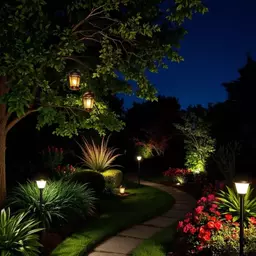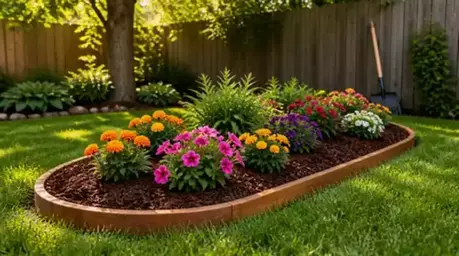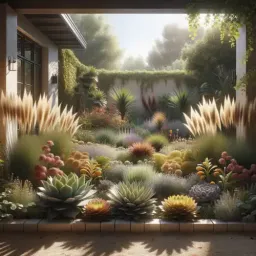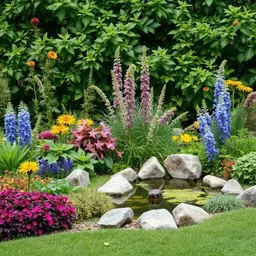
Imagine stepping into your garden, where every plant plays its role in a harmonious, vibrant ecosystem. Layered gardens not only enhance beauty but also promote biodiversity and ecological balance. Discover how you can turn your garden into a thriving sanctuary!
What You Will Learn
- Understanding garden layering can enhance the aesthetic and ecological value of your outdoor space.
- Creating a layered garden promotes biodiversity by attracting various wildlife species.
- Utilizing different plant types ensures seasonal interest and year-round beauty.
- Choosing the right shrubs for your climate is crucial for a thriving garden.
- Ongoing maintenance, such as regular pruning and proper watering, is key to sustaining your layered garden.
- Understanding sunlight requirements for different plants can significantly impact their growth and health.
Key Benefits of a Layered Garden
Layering plants not only enhances the beauty of your garden but also promotes a thriving ecosystem. Below are the key advantages illustrated for quick reference. If you're looking to enhance your home's exterior, consider how enhancing curb appeal with trees can complement your layered garden design.
Enhanced Biodiversity
Layered gardens attract diverse species of birds, insects, and wildlife, promoting a balanced ecosystem.
Improved Soil Health
Different root systems enrich the soil, prevent erosion, and enhance nutrient availability.
Seasonal Interest
A mix of evergreen and deciduous plants ensures year-round visual appeal and variety.
Understanding the Concept of a Layered Garden with Shrubs
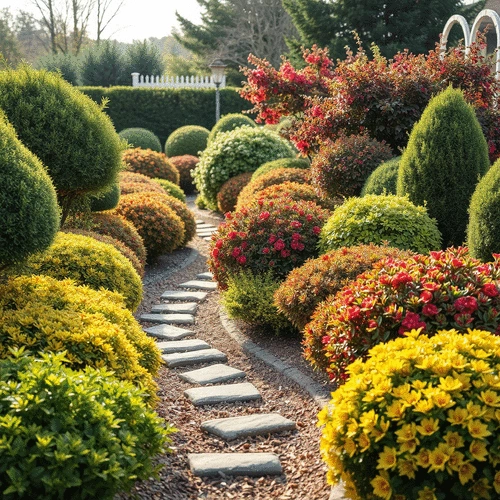
Creating a layered garden with shrubs is like composing a beautiful symphony of plants! This gardening technique involves arranging different types of plants at various heights and depths, similar to the layers of a forest. By understanding this concept, you not only enhance the beauty of your garden but also promote biodiversity and create a thriving ecosystem right in your backyard!
Layering offers numerous benefits. It allows for more efficient use of space, maximizes light exposure, and helps with soil health. Additionally, a layered garden can provide shelter and food for various wildlife, making your outdoor space not just visually appealing but also ecologically friendly. It's a win-win for both you and the local creatures! To get started with your garden's foundation, explore our beginners guide to garden layout.
Defining Garden Layering and Its Benefits
So, what exactly is garden layering? Essentially, it involves planting shrubs and other vegetation in layers based on their size and growth patterns. When you arrange plants in this manner, you create a beautiful tapestry of colors and textures that can captivate anyone who walks by. Plus, it's a fantastic way to ensure that sunlight reaches all your plants, regardless of their height!
The benefits of a layered garden extend far beyond aesthetics. Here are a few key advantages:
- Enhanced Biodiversity: Layering attracts various species of birds, insects, and other wildlife.
- Improved Soil Health: Different root systems help to enrich the soil and prevent erosion.
- Seasonal Interest: A mix of evergreen and deciduous plants ensures year-round beauty.
Creating Natural Aesthetics and Biodiversity
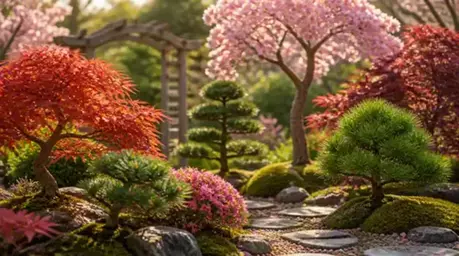
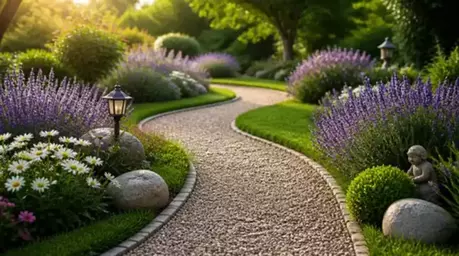
A layered garden mimics nature's design, creating a habitat that feels effortlessly beautiful. By incorporating shrubs of different heights, textures, and colors, you can achieve a visually stunning landscape that changes with the seasons. Imagine walking through your garden in spring, with blooming flowers peeking through lush green foliage. It's a sight that can truly lift your spirits!
Moreover, a layered garden can significantly boost biodiversity. When you create diverse plant layers, you encourage a variety of beneficial insects and birds to thrive. This not only helps with pollination but also keeps pests in check naturally. As a garden enthusiast, I love witnessing the lively interactions among different species in my own layered garden!
Importance of Seasonal Interest and Year-Round Appeal
One of the most important aspects of a layered garden is its ability to provide year-round interest. By carefully selecting a mix of evergreen shrubs, flowering plants, and deciduous varieties, you can ensure that there's always something to see! For instance, consider planting evergreen shrubs that maintain their beauty in winter while incorporating flowering plants that bloom in spring and summer.
Here are a few plant types to think about for seasonal appeal:
- Evergreens: Provide structure and greenery all year.
- Flowering Shrubs: Add bursts of color during growing seasons.
- Deciduous Plants: Offer beautiful fall foliage and interesting bark in winter.
With the right combination, your layered garden can be a beautiful sanctuary regardless of the season, inviting you to enjoy its splendor throughout the year!
Fundamental Design Principles for Layered Shrub Gardens
As we move toward design principles, keep in mind that layering is about more than just aesthetics; it’s about creating a harmonious environment. Just like a successful music piece, every plant plays its part in the overall beauty of your garden. Let’s dive into how to apply the concept of layering effectively!
Quick Summary
Here's a brief recap of the key points discussed so far:
- Layered gardens enhance biodiversity and create a thriving ecosystem.
- Different plant layers maximize light exposure and improve soil health.
- Choosing the right shrubs for your climate and maintaining them properly are key to a successful layered garden.
Encouraging Implementation of Layering Principles in Gardening
As we dive into the world of layered gardens, I often find myself answering common questions from fellow gardening enthusiasts. Understanding the principles of layering, especially with shrubs for garden privacy, can feel overwhelming at first. However, with a little guidance, you’ll soon see how enriching and beautiful a layered garden can be!
Let’s explore some frequently asked questions about layering principles and shrub selection. Knowing what to choose and how to maintain it is the key to a thriving garden. Let’s get started!
Common Questions About Layered Gardens and Shrub Selection
When it comes to creating a layered garden, you might have some pressing questions. Here are a few that I hear often:
- What Are the Best Shrubs for My Climate? Consider your local climate zone as it heavily influences plant growth. Look for shrubs that thrive in your area’s temperature and rainfall patterns.
- How Do I Maintain My Layered Shrub Garden? Regular pruning and proper watering are essential. Make a schedule to keep your plants healthy and encourage new growth!
- What Are the Ideal Sunlight Requirements for My Plants? Different shrubs have varying light needs. Some prefer full sun, while others thrive in partial shade. Make sure to check the tags or descriptions of each plant!
These questions can guide you in the right direction as you plan your beautiful layered garden. Remember, no question is too small—your gardening journey is all about learning!
What Are the Best Shrubs for My Climate?
Choosing the right shrubs for your specific climate is crucial. Here’s a quick list of popular options based on different climate conditions:
- Cool Climates: Consider shrubs like Japanese Yew or Ninebark for their resilience.
- Moderate Climates: Spirea and Mexican Orange Blossom are fantastic choices that flourish with a bit of sun.
- Warm Climates: Opt for heat-tolerant varieties like Butterfly Bush and Abelia.
Choosing wisely can save you time and effort while enhancing your garden’s beauty. For more ideas, check out our guide on easy shrubs for sunny gardens.
How Do I Maintain My Layered Shrub Garden?
Maintenance is vital to keeping your layered garden flourishing. Here are some simple tips to ensure your shrubs stay vibrant:
- Regularly prune dead or overgrown branches to promote healthy growth.
- Establish a consistent watering routine, adjusting based on the season.
- Apply mulch to help retain moisture and suppress weeds.
With these strategies, you can enjoy a stunning garden that requires minimal fuss!
What Are the Ideal Sunlight Requirements for My Plants?
Understanding sunlight needs can make a world of difference in your garden’s health. Here’s a quick breakdown:
- Full Sun: 6 hours or more of direct sunlight per day; great for most flowering shrubs.
- Partial Shade: 3-6 hours of sunlight; ideal for shrubs that need shelter from harsh afternoon rays.
- Full Shade: Less than 3 hours of direct sunlight; perfect for shade-loving varieties.
Taking the time to match your plants with their ideal sunlight conditions will surely pay off in the long run!
FAQs About Layered Gardens
- What is a layered garden?
A layered garden involves arranging different types of plants at various heights and depths, mimicking natural ecosystems to enhance beauty and promote biodiversity. - What are the main benefits of creating a layered garden?
Key benefits include enhanced biodiversity by attracting various wildlife, improved soil health through diverse root systems, and year-round seasonal interest with a mix of evergreen and deciduous plants. - How do I choose the right shrubs for my layered garden?
Select shrubs based on your local climate zone (cool, moderate, or warm) and their specific sunlight requirements (full sun, partial shade, or full shade). - What kind of maintenance does a layered shrub garden require?
Maintenance involves regular pruning of dead or overgrown branches, establishing a consistent watering routine adapted to the season, and applying mulch to retain moisture and control weeds. - How can I ensure my layered garden has year-round appeal?
To achieve year-round interest, incorporate a mix of evergreens for continuous greenery, flowering shrubs for seasonal color bursts, and deciduous plants for autumn foliage and winter bark interest.
Wrapping Up the Journey to a Beautiful Layered Garden
Creating a layered garden with shrubs can truly transform your outdoor space into a stunning natural tapestry. Remember, the key to success lies in planning, selecting suitable plants, and maintaining them with care. As you embark on this gardening adventure, don’t hesitate to let your creativity shine!
Think about the visual and ecological balance you want to achieve. With thoughtful design and proper execution, your layered garden can become a welcoming haven for both you and local wildlife.
Final Thoughts on Creating Visual and Ecological Balance
At Garden Plan Guide, we're passionate about helping you cultivate a garden that resonates with both beauty and functionality. Each shrub, flower, and layer serves a purpose—from attracting pollinators to creating cozy spots for relaxation. So, what are you waiting for?
Call to Action: Start Designing Your Layered Garden Today
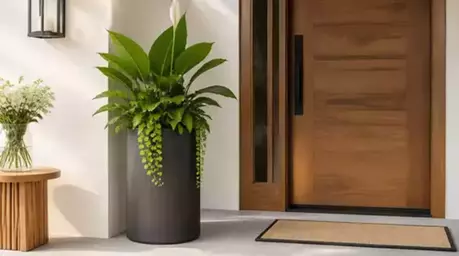
It’s your turn to create a layered masterpiece! Grab a pen and paper, sketch your ideas, and plan your ideal shrub garden. Remember, every great garden begins with a single step. For more inspiration on making your outdoor space inviting, check out our tips for designing a welcoming home entrance. I can’t wait to see the stunning transformations you all achieve! Share your progress with us, and let’s continue to grow together!
Recap of Key Points
Here’s a quick recap of the important points discussed in the article:
- Layered Garden Concept: Arranging plants in layers mimics natural ecosystems, enhancing beauty and promoting biodiversity.
- Benefits of Layering: Increased biodiversity, improved soil health, and seasonal interest through a diverse mix of plant types.
- Design Principles: Focus on harmonious plant arrangements to create a visually stunning and ecologically balanced garden.
- Plant Selection: Choose shrubs based on your climate zone and ensure they meet specific sunlight requirements.
- Maintenance Tips: Regular pruning, consistent watering, and mulching are essential for a thriving layered garden.
- Year-Round Appeal: Incorporate a mix of evergreens, flowering shrubs, and deciduous plants for continuous beauty throughout the seasons.