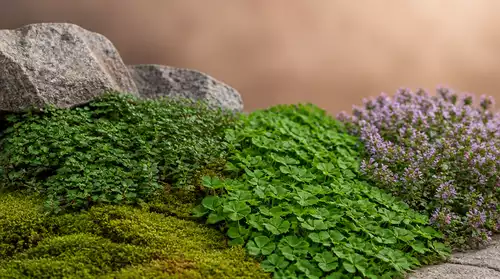
Did you know that incorporating the right plants can transform your landscape into a lush oasis? Groundcovers are often overlooked but can significantly enhance the beauty and functionality of your garden. Let's explore how these versatile plants can elevate your outdoor space.
What You Will Learn
- Groundcovers provide aesthetic enhancement by offering a variety of colors, textures, and designs for a cohesive look in your garden.
- They effectively cover bare spots, prevent soil erosion, and promote a healthy ecosystem while requiring minimal maintenance.
- Replacing mulch with groundcovers offers longevity and visual interest, creating a dynamic landscape that changes with the seasons.
- Ideal groundcovers should possess drought tolerance, a low growth habit, and self-propagating capabilities for easy management.
- Groundcovers enhance soil health and improve structure, protecting against erosion and reducing the need for chemical treatments.
- They suppress weeds and improve traction, making your garden easier to maintain and safer to navigate.
- Choosing native groundcovers supports local wildlife and contributes to sustainable landscaping practices in your garden.
Key Benefits of Groundcovers in Polished Landscapes
Groundcovers offer numerous advantages that enhance both the aesthetics and functionality of your garden. Below is a summary of some of the key benefits. For more ideas on how to elevate your outdoor space, consider our guide on enhancing curb appeal with trees.
Visual Continuity
Groundcovers unify your landscape, creating a seamless look that draws the eye throughout the space.
Soil Health
Groundcovers improve soil structure and protect against erosion.
Low Maintenance
Once established, many groundcovers require little care, freeing up your time for other gardening projects.
Environmental Benefits
Groundcovers can reduce the need for chemical treatments and help retain moisture in the soil, supporting a healthier ecosystem.
Understanding the Role of Groundcovers in Polished Landscaping
When it comes to creating a polished landscape, one element that often gets overlooked is the humble groundcover. These plants not only add beauty but also serve multiple functions in your garden. In my years of gardening experience, I’ve discovered that groundcovers can dramatically enhance the aesthetics of your outdoor space while providing practical benefits, such as erosion control and moisture retention. Let’s dive into this essential aspect of landscaping!
Exploring Groundcover Benefits: Aesthetic Appeal and Functionality
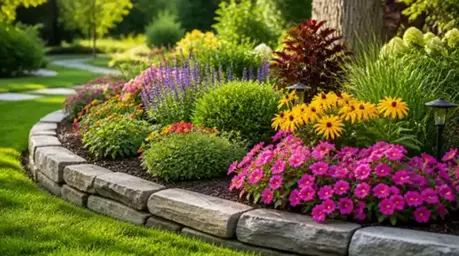
Groundcovers can transform any garden design by introducing lush greenery and vibrant colors. They create a seamless, unified look that ties different elements of your garden together. Some key benefits of using groundcovers include:
- Aesthetic enhancement: Groundcovers come in various colors, textures, and heights, offering endless design possibilities.
- Covering bare spots: They effectively fill in gaps and prevent soil erosion, promoting a healthy ecosystem.
- Low maintenance: Many groundcovers require minimal care, saving you time and effort in the long run.
Incorporating groundcovers into your landscape design not only elevates its beauty but also fosters a thriving environment. Think about how wonderful it would be to stroll through your garden, surrounded by a lush carpet of colors and textures! For more tips on creating a vibrant garden, check out our guide on colorful perennials for every year.
Why Replace Mulch with Groundcovers for a Polished Look?
While mulch has its merits, I have found that groundcovers offer a more permanent and beautiful solution for landscaping. Here are some reasons to consider replacing traditional mulch with groundcovers:
- Longevity: Unlike mulch, which needs to be refreshed annually, groundcovers provide lasting coverage.
- Visual interest: Groundcovers create a dynamic look that changes with the seasons, unlike the static appearance of mulch.
- Soil health: Groundcovers improve soil health by preventing compaction and promoting beneficial organisms.
In my experience, making the switch from mulch to groundcovers has transformed many gardens into stunning masterpieces. Imagine a garden that not only looks great but also fosters plant health and longevity!
Key Characteristics of Ideal Groundcovers for Polished Landscapes
To create a polished landscape, it’s essential to choose groundcovers with specific characteristics. Here are some qualities that make for ideal selections:
- Drought tolerance: Look for plants that thrive in your climate, reducing the need for excessive watering.
- Low growth habit: Opt for varieties that spread out instead of growing tall, keeping your garden looking neat and tidy.
- Self-propagating: Some groundcovers can spread naturally, filling in bare spots without additional planting.
By selecting the right groundcovers, you can ensure a landscape that not only looks polished but is also sustainable and easy to care for. Let’s continue exploring the world of groundcovers together!
Quick Summary
As we explore the essential role of groundcovers in landscaping, here’s a brief recap of the key points discussed so far:
- Aesthetic Enhancement: Groundcovers add vibrant colors and textures, creating a visually cohesive garden.
- Functional Benefits: They help with erosion control, weed suppression, and improve soil health.
- Low Maintenance: Many groundcovers require minimal care, allowing you to enjoy your garden with less effort.
- Environmental Support: Groundcovers can help retain moisture and reduce the need for chemical treatments, promoting a healthier ecosystem.
Frequently Asked Questions About Groundcovers
Q1: What are the main benefits of using groundcovers in a garden?
A1: Groundcovers offer aesthetic enhancement through various colors and textures, cover bare spots, prevent soil erosion, improve soil health, and typically require low maintenance. They also provide environmental benefits by retaining moisture and reducing the need for chemical treatments.
Q2: How do groundcovers compare to mulch?
A2: Groundcovers offer more longevity and visual interest than mulch, as they provide lasting coverage and a dynamic look that changes with the seasons. They also actively improve soil health, whereas mulch needs to be refreshed annually.
Q3: What characteristics should I look for in ideal groundcovers?
A3: Ideal groundcovers should be drought-tolerant, have a low growth habit (spreading rather than growing tall), and ideally be self-propagating to fill in spaces naturally with minimal effort.
Q4: Can groundcovers help with weed suppression?
A4: Yes, the dense growth of many groundcovers helps to inhibit weed growth, making your garden easier to maintain and keeping it looking polished.
Q5: Why should I consider native groundcovers?
A5: Native groundcovers are well-suited to your local climate, requiring less water and maintenance. They also support local wildlife and contribute to sustainable landscaping practices by promoting biodiversity and conserving resources.
Summary of Groundcovers' Benefits in Polished Landscapes
Groundcovers are an essential element for achieving a polished landscape. They not only offer aesthetic appeal but also serve functional purposes that enhance the overall beauty and health of your garden. By selecting the right groundcovers, you can create an inviting outdoor space that requires minimal maintenance while providing year-round interest!
Here’s a quick recap of some of the key benefits of groundcovers:
- Visual Continuity: Groundcovers can unify your landscape, creating a seamless look that draws the eye throughout the space.
- Soil Health: They improve soil structure and protect against erosion.
- Low Maintenance: Once established, many groundcovers require little care, freeing up your time for other gardening projects.
- Environmental Benefits: Groundcovers can reduce the need for chemical treatments and help retain moisture in the soil, supporting a healthier ecosystem.
As a garden enthusiast myself, I can personally attest to the transformative power of groundcovers. They truly elevate your landscaping while making it easier to maintain. If you’re looking to create an oasis in your yard, integrating groundcovers is a fantastic way to start! For additional inspiration, explore our guide on selecting low-maintenance landscaping plants.
Recap of Aesthetic and Functional Advantages of Groundcovers
In addition to their aesthetic contributions, groundcovers play a vital role in enhancing the functionality of your landscape. Imagine walking through a garden filled with a rich tapestry of textures and colors, all supported by a robust foundation of low-growing plants!
Here are a few functional advantages that groundcovers bring to your landscaping:
- Weed Suppression: Their dense growth helps inhibit weed growth, making it easier to maintain a clean and polished look.
- Drought Resistance: Many groundcovers are drought-tolerant, which means they thrive in less-than-ideal watering conditions, saving you time and resources.
- Traction and Erosion Control: Groundcovers provide a natural carpet over bare soil, preventing erosion and improving foot traffic safety.
Groundcovers are indeed an unsung hero in the garden world! They not only beautify your space but also serve practical purposes that promote sustainability and ease of maintenance.
Encouraging Sustainable Landscape Choices
As we strive for healthier gardens, it’s crucial to choose the right groundcovers that fit our specific needs. Consider selecting native species that not only thrive in your local climate but also support local wildlife. This is where my passion for DIY landscaping leads me to advocate for sustainable practices at Garden Plan Guide. By making informed choices, we can create vibrant ecosystems right in our backyards!
To promote sustainable landscaping, here are a few tips to keep in mind:
- Research Native Plants: Native groundcovers typically require less water and maintenance.
- Assess Soil Conditions: Understand your soil type to select groundcovers that will thrive.
- Consider Climate: Choose varieties that are well-suited to your local climate for the best results.
These choices not only benefit your garden but also contribute to the environment by conserving resources and promoting biodiversity! For more information on creating a resilient garden, consider reading about plants for drought-resistant gardens.
Inviting Readers to Consider Groundcovers for Their Own Landscapes
Are you ready to take the plunge and incorporate groundcovers into your landscape? I invite you to explore the various options available and envision how they can enhance your outdoor space. Think about how beautiful your garden could look with vibrant groundcovers weaving through your landscape!
Whether you’re looking for a low-maintenance solution or striving for an eco-friendly garden, the right groundcovers can fulfill those dreams. Here are a few questions to ponder:
- What specific areas in your garden could benefit from groundcovers?
- Do you prefer plants with vibrant colors, or are you drawn to softer, more subtle tones?
- How can you integrate groundcovers to enhance visual interest and functionality?
Your garden journey starts with these small but impactful choices! Let’s work together to create stunning landscapes that reflect our passion for nature and sustainability. Share your thoughts, experiences, or questions in the comments—let's grow together!
Recap of Key Points
Here is a quick recap of the important points discussed in the article:
- Aesthetic Enhancement: Groundcovers offer diverse colors, textures, and heights, enhancing the visual appeal of your landscape.
- Soil Health Improvement: They help prevent erosion, improve soil structure, and promote beneficial organisms.
- Low Maintenance: Many groundcovers require minimal care once established, saving you time and effort.
- Weed Suppression: Dense growth inhibits weeds, making maintenance easier and your garden look polished.
- Drought Resistance: Many groundcovers thrive in low-water conditions, making them sustainable choices for gardens.
- Native Plant Selection: Opting for native groundcovers supports local wildlife and is better suited to the local climate.