Creating a stunning garden is not just about the plants; it starts with clean, defined edges that elevate the entire landscape. Think of your garden as a piece of art, where the edging acts as the frame, bringing forth the beauty of your plants. By understanding and implementing clean garden edging concepts, you can significantly enhance both the aesthetics and functionality of your outdoor space.
What You Will Learn
- Understanding the concept of clean garden edging and its importance in creating visually appealing outdoor spaces.
- How to define clean edging with crisp lines, consistent height, and proper alignment to enhance garden design.
- The benefits of maintaining clean borders, including reduced maintenance, improved aesthetics, and clearly defined spaces.
- Tips for establishing a regular maintenance schedule to keep your garden edges sharp and tidy.
- Long-term performance considerations when choosing materials for edging to ensure durability and longevity.
- Seasonal gardening tips to adapt your edging care routine throughout the year, ensuring a polished appearance in every season.
Benefits of Clean Garden Edging
Clean garden edging provides numerous advantages that enhance both the aesthetics and maintenance of your garden. Below are the key benefits illustrated visually for clarity.
Improved Aesthetics
Neat edges enhance the beauty of your garden, making plants stand out and creating a polished look.
Less Maintenance
Clean edges prevent grass and weeds from invading flower beds, reducing the time spent on lawn care.
Defined Spaces
Clearly defines different elements of your garden, enhancing overall structure and organization.
Enhanced Plant Health
Minimizes the competition for resources, allowing plants to thrive and maintain better health.
Understanding Clean Garden Edging Concepts
Creating a visually appealing garden starts with understanding the concept of clean garden edging. Clean edging involves defining the borders of your garden beds to separate them clearly from surrounding areas like lawns or pathways. This not only enhances the aesthetic appeal of your outdoor space but also serves practical purposes, such as minimizing maintenance and improving plant health. For more ideas on improving your exterior, explore our guide on plants that boost curb appeal.
As a garden enthusiast, I find that investing time in clean garden edges pays off significantly. It’s like the frame of a beautiful painting; it sets the stage and gives structure to the art within—your plants! By establishing these borders, you are setting a foundation that supports the entire landscaping effort.
Defining Clean Edging for Garden Beds
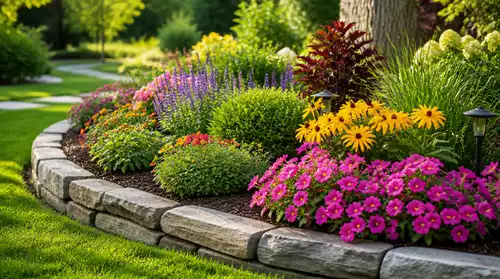
When we talk about clean edging for garden beds, we refer to clear, defined lines that separate your plants from other areas. A well-executed edge can be made from various materials such as stones, bricks, or even organic matter like wood. Here’s a quick rundown of what defines clean edging:
- Crisp lines: Edges should be sharp and distinct.
- Consistent height: Keeping the height uniform across the border creates visual harmony.
- Proper alignment: Ensure the edges follow the natural shape of the garden without jagged turns.
By maintaining these features, you’ll create a stunning outline that enhances the overall garden design. Remember, a little effort goes a long way in ensuring your garden looks its best!
The Importance of Maintaining Crisp Borders
Maintaining crisp borders in your garden is essential for various reasons. First, it significantly reduces the amount of time you spend on lawn care and weeding. Without clean edges, grass can creep into your flower beds, making it a constant battle to keep everything tidy. But with proper edging, you can achieve that low-maintenance garden you’ve always dreamed of. Discover more about selecting low-maintenance landscaping plants to further simplify your garden upkeep.
Additionally, clean borders also provide a visual appeal that draws the eye. A well-defined edge makes your plants stand out, allowing their colors and textures to shine. It’s like giving your plants a stage to perform on!
- Improved aesthetics: Neat edges enhance the beauty of your garden.
- Less maintenance: Keep unwanted grass and weeds at bay.
- Defined spaces: Clearly separates different elements of your garden.
With these benefits, it’s clear why maintaining crisp borders should be a priority for any homeowner looking to enhance their outdoor space. GardenPlanGuide.com is here to help you every step of the way! Let’s create a garden that not only looks good but also makes you feel good.
Pro Tip
For an even more polished look, consider using a garden edging tool. These tools can help create that perfectly defined edge effortlessly, saving you time and ensuring crisp lines every time. Additionally, regularly sharpening your tools will make maintenance easier and more efficient!
Maintaining Your Garden Edges
Once you've established clean edges in your garden, it's essential to keep them looking sharp and well-defined. Regular maintenance is the key to preventing grass and weeds from creeping into your flower beds or vegetable patches. I always recommend setting a weekly or bi-weekly schedule to check on your edging. It may sound simple, but a little routine care can significantly enhance your garden's appearance! This consistent upkeep is crucial for maintaining a polished aesthetic, much like how modern curb appeal thrives on clean lines and minimalist design.
To make things easier, here’s a quick outline of a maintenance schedule you might find helpful:
- Inspect the edges weekly for any overgrowth or damage.
- Remove any weeds or grass that appear at the borders.
- Reinforce or replace edging materials as needed.
- Refresh mulch or gravel to keep the area tidy.
By following this simple schedule, you can maintain the beauty of your garden without it becoming a chore. Remember, the goal is to enjoy your outdoor space, not to feel overwhelmed by it!
Long-Term Performance Considerations
When it comes to garden edging, thinking long-term is crucial! Choosing the right materials and ensuring proper installation can make all the difference. For example, if you decide to go with wood edging, consider using treated wood that can withstand the elements and last for years. This consideration helps avoid replacing materials frequently, saving you time and money.
Additionally, regularly assessing the condition of your chosen edging material allows you to take timely action. Here are some points to consider:
- Look for signs of rot or damage in wooden materials.
- Check for shifting or sinking in stone or brick edges.
- Monitor for rust in metal edging; it may need replacement sooner than you think.
With the right care and attention, your garden edges can remain strong and beautiful, elevating the overall look of your outdoor space for years to come!
Seasonal Gardening Tips for Edge Care
As seasons change, so should your approach to maintaining those edges! Different times of the year bring varying challenges and needs. For instance, in spring, clearing away winter debris and preparing your garden for new growth is essential. In contrast, fall is the perfect time to reinforce your edges and prepare them for winter.
Here are some seasonal tips to keep your garden edges in top shape:
- Spring: Clear away debris, check for damage, and refresh mulch.
- Summer: Maintain regular edging and watering schedules to prevent dry patches.
- Fall: Reinforce edges, plant bulbs, and prepare for winter weather.
- Winter: Protect edges from snow build-up and ice damage; consider adding mulch for insulation.
By adapting your care routine to the seasons, you can ensure your garden edges remain a polished feature all year round. Each season offers a new opportunity to keep your space looking vibrant and inviting! At Garden Plan Guide, I love sharing these tips, as I believe that a little preparation goes a long way in achieving stunning outdoor spaces. For more seasonal advice, you might find our guide on curb appeal tips for every season helpful.
Frequently Asked Questions About Clean Garden Edging
- What is clean garden edging?
- Clean garden edging involves creating clear, distinct borders for garden beds to separate them from lawns or pathways, enhancing both aesthetics and functionality.
- What are the main benefits of clean garden edging?
- The main benefits include improved aesthetics, reduced maintenance (by preventing grass and weeds from invading beds), clearly defined spaces, and enhanced plant health due to minimized competition for resources.
- How do I define clean edging for my garden beds?
- Clean edging is defined by crisp, sharp lines, consistent height across the border, and proper alignment that follows the natural shape of your garden beds.
- What materials can be used for clean garden edging?
- Various materials can be used, such as stones, bricks, metal, plastic, or organic matter like treated wood.
- How often should I maintain my garden edges?
- It is recommended to set a weekly or bi-weekly schedule to inspect edges for overgrowth or damage, remove weeds, reinforce materials, and refresh mulch or gravel.
- What are some long-term considerations for garden edging?
- Consider choosing durable materials that can withstand elements, such as treated wood or sturdy stone. Regularly assess the condition of your edging for signs of rot, shifting, or rust to ensure longevity.
- How does seasonal change affect garden edge care?
- Your approach to edge care should adapt seasonally. For example, spring involves clearing debris and refreshing mulch; summer focuses on regular edging and watering; fall is for reinforcing edges and preparing for winter; and winter requires protecting edges from snow and ice damage.
Recap of Key Points
Here is a quick recap of the important points discussed in the article:
- Clean Edging Definition: Clean garden edging involves creating distinct borders that enhance your garden's aesthetic and minimize maintenance.
- Maintenance Importance: Regularly maintaining crisp borders reduces lawn care time and improves the visual appeal of your plants.
- Maintenance Schedule: Set a routine to inspect edges, remove weeds, and refresh materials to keep your garden looking sharp.
- Long-Term Considerations: Choose durable materials and regularly assess their condition to prolong the life of your garden edges.
- Seasonal Care Tips: Adapt your maintenance routine to the seasons, ensuring that your garden edges remain well-kept year-round.