Gardening is not just a hobby; it’s an art form that evolves with the seasons. Imagine stepping into your garden every month and discovering new blooms, each bringing its own palette of color and life. This article delves into the myriad benefits of perennials, showcasing how they can transform your outdoor space into a year-round spectacle.
What You Will Learn
- Perennials return year after year, minimizing the need for constant replanting unlike annuals.
- These plants provide diverse bloom times, ensuring your garden remains vibrant across all seasons.
- Perennials are often drought-resistant and require less maintenance, saving you time and effort.
- Their deep root systems improve soil health and prevent erosion, benefiting the environment.
- Creating a seasonal bloom map can help you plan a garden that showcases color year-round.
- Choosing the right location and preparing the soil are essential steps for successful perennial planting.
- Engaging with the gardening community can provide support, inspiration, and new ideas.
- A variety of resources, including books and online courses, are available for further learning about gardening.
- Regular care practices such as watering, deadheading, and fertilization are key to ensuring continuous blooms.
Benefits of Perennials Over Annuals
Here are key advantages of choosing perennials for your garden:
Less Frequent Planting
Once established, perennials return year after year, reducing the need for replanting.
Diverse Bloom Times
Enjoy colorful blooms throughout the seasons, ensuring year-round beauty.
Lower Maintenance
Many perennials are drought-resistant and require minimal care once established.
Environmental Impact
Perennials contribute to soil health, prevent erosion, and support local ecosystems.
Understanding the Benefits of Perennials for Year-Long Color
When it comes to creating a beautiful garden, one of the best choices you can make is to incorporate perennial plants. Unlike annuals, which last only one growing season, perennials return year after year, providing a vibrant display of color and life. This means less work for you while still achieving the stunning garden of your dreams! Let’s explore the reasons why perennials are a fantastic addition to any outdoor space.
One major advantage of perennials is their ability to adapt and thrive in various conditions. Since they are established plants, they often require less water and maintenance once they're settled in. You can enjoy a lush landscape without the constant replanting that annuals demand. Plus, many perennials are known to attract beneficial pollinators, creating a lively ecosystem right in your backyard! To learn more about creating a vibrant landscape, check out our guide on colorful garden design tips.
The Advantage of Perennials Over Annuals
Choosing perennials over annuals has some clear benefits. First off, these hardy plants provide consistent beauty. They bloom at different times throughout the year, ensuring that your garden remains colorful no matter the season. Think about it: wouldn’t it be nice to have flowers to admire from spring all the way into winter?
- Less frequent planting: Once established, perennials come back year after year!
- Diverse bloom times: Enjoy colorful blooms throughout the seasons.
- Lower maintenance: Many perennials are drought-resistant and require minimal care.
Another perk is the environmental impact. By planting perennials, you contribute to soil health and help prevent erosion. Their deep root systems stabilize the soil, which is especially important during heavy rains. Plus, having a variety of plants can help build a balanced ecosystem in your garden. For more ways to enhance your home's exterior, consider enhancing curb appeal with trees.
Year-Long Color: What to Expect
Imagine stepping into your garden every month and discovering something new in bloom! With carefully selected perennials, this can be your reality. From vibrant spring flowers to lasting autumn hues, these plants can provide a continuous show of color that changes with the seasons.
As a gardener myself, I find it rewarding to plan out my garden so that there’s always something to enjoy. Here’s a sneak peek of what you can expect:
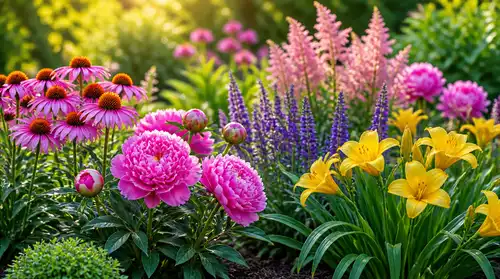
- Spring: Daffodils and tulips burst into color, signaling the end of winter.
- Summer: Daylilies and coneflowers thrive, adding warmth and vibrancy.
- Fall: Asters and sedums provide rich, autumnal tones that keep the garden alive.
In winter, while many perennials may go dormant, their structure and seed heads add visual interest. This is when you can appreciate the beauty of bare branches and the unique shapes of dried flower stems. I always encourage fellow gardeners to think about their gardens in a year-round context for the best results!
Pro Tip
Did you know? Incorporating companion planting with your perennials can enhance their growth and health. For example, planting marigolds alongside your perennials can help deter pests, while also attracting beneficial insects like pollinators. This strategic planting not only promotes a thriving garden but also adds more diversity to your landscape!
Planning Your Garden for Year-Long Color
Planning a garden that blooms year-round is like painting a masterpiece! You want to make sure every season has its own palette of colors, creating a stunning display that delights the senses. With a little organization, you can create a seasonal bloom map that highlights which plants will be in full glory throughout the year.
A seasonal bloom map helps you visualize how your garden will transform over time. This not only ensures that you have vibrant colors at each phase but also allows you to place plants strategically for maximum impact. Let’s get started on how to create this map!
- List the Perennials: Begin by listing all the perennials you want to include based on their bloom times.
- Mark the Seasons: Divide your map into sections for spring, summer, fall, and winter.
- Color Coordination: Use colored pencils or markers to represent each plant’s bloom color in the relevant section.
- Plant Placement: Identify spots where taller plants won’t overshadow shorter ones.
How to Start Your Planting Journey
Every great gardening journey begins with a single seed—literally! Before planting your chosen perennials, it's important to gather your materials and make a plan. I often recommend starting small to keep the project manageable, ensuring you enjoy the process and the results. Here’s how you can kick off your planting journey:
- Choose the Right Location: Assess sunlight and soil conditions in your yard. Knowing where your plants will thrive is key!
- Prepare the Soil: Enrich the soil with compost to promote healthy growth.
- Plant at the Right Depth: Follow guidelines for each perennial, ensuring you plant them at the correct depth for optimal roots development.
- Water Wisely: Water your newly planted perennials thoroughly, and keep an eye on them as they establish.
Engaging with Your Gardening Community
Gardening is more fun when you share your journey with others! Engaging with fellow gardeners can inspire new ideas and provide valuable support. At Garden Plan Guide, I love hearing about your gardening adventures and exchanging tips! Let's explore ways to connect with your gardening community.
One way to engage is by joining local gardening clubs or online forums. These platforms offer a wealth of information and camaraderie. Don’t hesitate to share your challenges and successes. You’ll be amazed at how many people are eager to lend a hand or celebrate your wins! For those looking to create a striking first impression, delve into designing your cohesive front yard.
Sharing Tips and Experiences with Fellow Gardeners
Sharing your gardening journey can not only uplift you but also others who are just starting out. Whether it’s through social media or local events, here are some effective ways to connect:
- Social Media Groups: Join Facebook or Instagram groups focused on gardening to share photos and tips.
- Local Garden Shows: Attend or participate in gardening events to meet like-minded individuals.
- Community Workshops: Host or attend workshops to learn new techniques and share your expertise.
Resources for Further Learning and Support
Never stop learning! There are countless resources to help you deepen your gardening knowledge. From books to blogs, you can find inspiration and guidance tailored to your specific needs. Here are some helpful resources:
- Gardening Books: Explore books focusing on perennials, landscaping, and seasonal gardening.
- Online Courses: Websites like Coursera or Udemy offer classes from gardening basics to advanced techniques.
- Gardening Blogs: Follow blogs like Garden Plan Guide to stay updated with tips and fresh ideas!
Frequently Asked Questions About Perennials
It's common to have questions when diving into the world of perennials. They bring so much joy but can require some know-how to keep them thriving. To help ease your mind, I've compiled answers to some frequently asked questions!
What are perennials and how do they differ from annuals?
Perennials are plants that live for more than two years, returning to bloom year after year. Annuals, on the other hand, complete their entire life cycle within one growing season and must be replanted each year. Perennials offer continuous beauty and generally require less maintenance once established.
How do perennials contribute to a year-round colorful garden?
By selecting a variety of perennials that have different bloom times, you can ensure that your garden remains vibrant throughout all four seasons. Some perennials bloom in spring, others in summer, and some in fall, providing continuous interest. Even in winter, their structure and seed heads can add visual appeal.
What are the environmental benefits of planting perennials?
Perennials significantly contribute to environmental health. Their deep root systems help improve soil structure, prevent erosion, and conserve water. They also provide habitat and food sources for beneficial pollinators and other wildlife, fostering a healthier local ecosystem.
What are some essential tips for caring for perennials?
To ensure your perennials thrive and provide continuous blooms, consistent care is important. This includes regular watering (especially during dry periods), deadheading spent flowers to encourage new growth, and providing proper fertilization. Choosing the right location with adequate sunlight and well-draining soil is also crucial for their success.
How can I plan my garden to achieve year-long color with perennials?
Creating a seasonal bloom map is an excellent way to plan for year-long color. List the perennials you wish to plant along with their bloom times. Divide your garden plan into sections for each season and mark where each plant will bloom, considering color coordination and plant height. This strategic planning will help ensure a continuous display of color.
What are the best perennials for year-round color?
When planning for year-round color, consider a mix of perennials that bloom at different times. Some top choices include:
- Daylilies: Vibrant and hardy, these bloom in summer.
- Peonies: A spring favorite with stunning blooms.
- Asters: Perfect for fall with their bright purple hues.
How do I care for perennial plants to ensure they bloom continuously?
Ensuring continuous blooms involves a bit of care. Here are some tips:
- Regular Watering: Keep the soil consistently moist, especially during dry spells.
- Deadheading: Remove spent blooms to encourage more flowers.
- Proper Fertilization: Use a balanced fertilizer to support healthy growth.
Encouragement to Start Your Colorful Garden
Now that you have the knowledge and tools to plan for year-long color, it’s time to take action! Gardening is a beautiful journey filled with surprises and rewards. Remember, even the best gardeners started with just a few seeds and a dream!
By incorporating perennials into your garden design, you’re setting yourself up for a landscape that evolves and enchants through every season. So why wait? Begin your garden planning today and watch your outdoor space transform into a vibrant haven! For more guidance on creating a thriving garden, explore our resources on a beginner's guide to garden layout.
Recap of Key Points
Here is a quick recap of the important points discussed in the article:
- Perennials vs. Annuals: Perennials return year after year, requiring less maintenance and providing consistent beauty throughout the seasons.
- Year-Round Color: Carefully selected perennials bloom at different times, ensuring your garden is vibrant from spring to winter.
- Planning for Success: Create a seasonal bloom map to visualize your garden's transformation and ensure a balanced color palette.
- Starting Your Garden: Choose the right location, prepare the soil, and plant at the correct depth for optimal growth.
- Community Engagement: Join local gardening clubs and online forums to exchange tips and experiences with fellow gardeners.
- Continuous Learning: Utilize resources like books, online courses, and gardening blogs to enhance your gardening knowledge.