What if your garden not only enhanced your home’s appearance but also contributed positively to the environment? Embracing sustainable landscaping is a powerful way to achieve both beauty and ecological responsibility in your outdoor spaces.
What You Will Learn
- Support Local Ecosystems: Discover how sustainable landscaping benefits local wildlife and promotes biodiversity.
- Conserve Resources: Learn about water-efficient practices that reduce waste and environmental impact.
- Enhance Aesthetic Appeal: Implement design strategies that not only beautify your garden but also attract local fauna.
- Utilize Native Plants: Understand why native species are vital for sustainable gardens and how they thrive in local conditions.
- Increase Home Value: Explore how sustainable landscaping can enhance curb appeal and attract eco-conscious buyers.
- Community Engagement: Recognize the role of community gardens in fostering relationships and promoting sustainability in urban areas.
- Avoid Common Mistakes: Identify frequent pitfalls in landscaping and how to sidestep them for a flourishing garden.
- Long-Term Benefits: Appreciate the enduring advantages of sustainable practices for both your landscape and the environment.
Impact of Sustainable Landscaping on Home Value
Investing in sustainable landscaping can significantly enhance your property's appeal and long-term value. Below are key factors that illustrate the benefits, including how a well-designed landscape can genuinely enhance curb appeal with trees.
Increased Curb Appeal
Beautiful, well-maintained gardens draw attention, boosting first impressions.
Lower Maintenance Costs
Buyers appreciate low-maintenance landscapes that save time and money.
Energy Efficiency
Strategically placed trees can reduce heating and cooling costs, making your home more appealing.
Supports Local Ecosystems
Helps in the survival of native species and promotes biodiversity.
Transform Your Curb Appeal with Sustainable Landscaping Ideas
Are you ready to give your home a fresh look while being kind to the environment? At Garden Plan Guide, I believe that enhancing your curb appeal can go hand-in-hand with eco-friendly practices. Sustainable landscaping not only beautifies your outdoor space but also supports local ecosystems. Imagine stepping out and seeing your yard full of life, from colorful flowers to buzzing bees, all thriving thanks to thoughtful landscaping choices!
Understanding the Importance of Sustainable Landscaping
Why should we care about sustainable landscaping? Well, it’s all about creating a balance between beauty and responsibility. By using eco-friendly practices, you can boost your home's curb appeal while ensuring that you’re doing your part for the planet. Sustainable landscaping benefits local wildlife, improves air and soil quality, and conserves water—making it a win-win for both you and Mother Nature!
- Supports Local Ecosystems: Helps in the survival of native species and promotes biodiversity.
- Conserves Resources: Utilizes water-efficient practices and reduces waste.
- Enhances Aesthetic Appeal: Creates beautiful, vibrant gardens that attract attention.
As I often remind my readers, every little effort counts! Whether you're planting a few native flowers or installing a rain garden, these actions can significantly impact the environment and your community. For example, selecting low-maintenance landscaping plants can save you time and conserve resources.
Key Principles of Sustainability in Landscaping
Let’s dive into some core principles that make landscaping sustainable. Here are a few key concepts to consider:
- Water Conservation: Implement practices like rainwater harvesting and efficient irrigation systems.
- Use of Native Plants: Native species thrive in local conditions, requiring less water and care.
- Biodiversity: Create diverse plantings to support various wildlife and improve soil health.
By incorporating these principles into your landscaping, you’re not just making your garden more beautiful; you’re also contributing to a healthier environment. Think of it as giving your garden a purpose beyond aesthetics—making it a haven for both you and local wildlife. You can find more information on native plants for sustainable gardens to inspire your choices.
Native Plants: The Cornerstone of Sustainable Landscaping
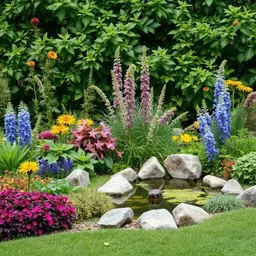
When it comes to sustainable landscaping, native plants are a fantastic choice! They are perfectly adapted to your local climate and soil conditions, meaning they require less water, fewer chemicals, and minimal maintenance. Plus, they play a crucial role in supporting local wildlife. If you’re aiming to enhance your curb appeal while being kind to the environment, native plants should definitely be at the top of your list!
Quick Summary
Here’s a brief recap of the key points discussed so far:
- Importance of Sustainable Landscaping: Balances beauty with ecological responsibility, benefiting local wildlife and the environment.
- Key Principles: Focus on water conservation, the use of native plants, and promoting biodiversity for a healthy landscape.
- Community Impact: Community gardens enhance food security and foster neighborhood connections while improving urban environments.
Addressing Common Questions about Sustainable Landscaping
What are the Best Plants for Curb Appeal in Different Climates?
Choosing the right plants can significantly enhance your home's curb appeal, and it’s crucial to consider your local climate! Different regions have unique challenges, from droughts to heavy rainfall, so I’ve compiled a summary of some of the best options for various climate zones. This way, you can find plants that not only look stunning but also thrive in your environment.
- Cool Climate (Zones 1-3): Consider evergreens like blue spruce or deciduous shrubs like lilacs.
- Temperate Climate (Zones 4-7): Opt for perennials such as coneflowers and ornamental grasses like miscanthus.
- Warm Climate (Zones 8-10): Go for native plants like agave or flowering shrubs like bougainvillea.
By selecting plants that fit your climate, you’ll create a landscape that requires less water and maintenance. Plus, you’ll be contributing to local biodiversity!
How Does Sustainable Landscaping Impact Home Value?
Investing in sustainable landscaping can be a game changer for your property's value! Eco-friendly practices not only enhance the beauty of your home but also attract potential buyers who are increasingly conscious of environmental issues. Here are some ways sustainable landscaping impacts home value:
- Increased Curb Appeal: Beautiful, well-maintained gardens draw attention, boosting first impressions.
- Lower Maintenance Costs: Buyers appreciate low-maintenance landscapes that save time and money.
- Energy Efficiency: Strategically placed trees can reduce heating and cooling costs, making your home more appealing.
At Garden Plan Guide, we believe that every dollar spent on sustainable practices is an investment in your home’s future value. It’s a win-win situation!
Understanding the Role of Community Gardens in Urban Areas
Community gardens are more than just a trend; they play a vital role in promoting sustainability and engagement in urban areas! These green oases not only beautify neighborhoods but also foster a sense of community. Let’s explore a few key benefits of community gardens:
- Food Security: They provide fresh produce, reducing reliance on store-bought goods.
- Environmental Benefits: Gardens improve air quality and support local wildlife.
- Community Engagement: They bring people together, encouraging social interaction and collaboration.
By participating in or supporting community gardens, you can make a positive impact on your local environment and create lasting connections with your neighbors. It’s a beautiful way to foster sustainability and community spirit!
Visual Transformations: Before and After Case Studies
Showcasing Successful Sustainable Landscaping Projects
Nothing showcases the power of sustainable landscaping quite like a good before-and-after transformation! I’ve seen incredible projects where homeowners have turned their yards into eco-friendly havens, and I am excited to share some inspiring examples:
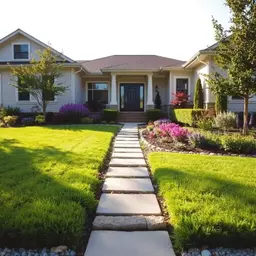
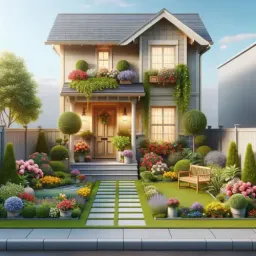
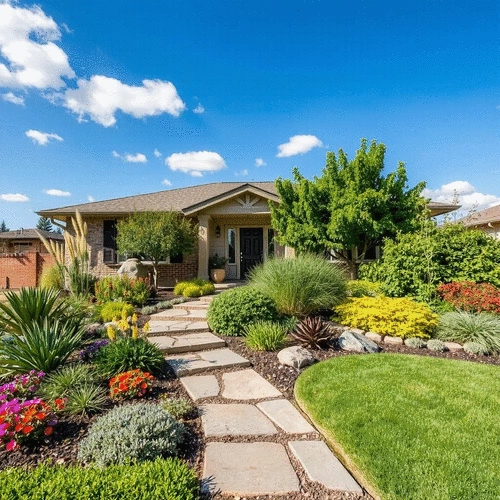
- Residential Front Yard: A lawn dominated by grass was transformed into a vibrant garden filled with native plants and rain gardens.
- Backyard Retreat: A concrete patio was replaced with permeable pavers and a cozy herb garden, creating a space both beautiful and functional.
- Community Park: A neglected area was revitalized with pollinator gardens, benches, and pathways, making it a local gathering spot.
These transformations showcase how eco-friendly landscaping can enhance beauty while positively impacting the environment. They serve as a reminder of the potential within every outdoor space!
Lessons Learned from Common Landscaping Mistakes
Even the most enthusiastic gardeners can make mistakes, especially when it comes to sustainable landscaping! Let me share some common pitfalls I’ve encountered and how to avoid them:
- Choosing Non-Native Plants: They may look appealing but can harm local ecosystems.
- Ignoring Soil Health: Healthy soil is the foundation of a thriving garden—don’t overlook composting!
- Poor Water Management: Ensure proper drainage and avoid overwatering to prevent plant stress and disease.
Learning from these mistakes can save you time and resources, making your sustainable landscaping journey smoother. Remember, it’s all about trial and error, and every garden tells a story!
Final Thoughts on Elevating Your Home’s Curb Appeal
The Long-Term Benefits of Embracing Sustainable Practices
As we wrap up this discussion on sustainable landscaping, it’s clear that the benefits extend far beyond aesthetics! By embracing sustainable practices, you're not only enhancing your home's curb appeal but also contributing to environmental health and community wellbeing. Here are some long-term advantages:
- Resilience: Sustainable landscapes are designed to thrive, even in changing climates.
- Cost Savings: Reduced water usage and lower maintenance needs can save money in the long run.
- Enhanced Biodiversity: A diverse landscape supports local wildlife and ecosystems.
At Garden Plan Guide, we believe that every small effort counts. By making conscious choices in your landscaping efforts, you're not just improving your home but also nurturing our planet!
Call to Action: Start Your Sustainable Landscaping Journey Today
Ready to transform your outdoor space? Don’t wait any longer—let’s take those first steps together! Whether you’re planning a full renovation or just looking for ways to incorporate sustainability into your existing garden, we’re here to help. Visit GardenPlanGuide.com for detailed plans, tips, and expert advice to kickstart your sustainable landscaping journey. For more specific ideas, consider exploring plants that boost curb appeal or ways to improve your front yard design for curb appeal. Let’s cultivate beauty and functionality in our gardens while caring for the environment!
Frequently Asked Questions (FAQs)
- What is sustainable landscaping?
- Sustainable landscaping is a practice that aims to create beautiful outdoor spaces while minimizing environmental impact. It involves using eco-friendly methods, conserving resources, and promoting biodiversity.
- How does sustainable landscaping benefit home value?
- Sustainable landscaping increases home value by boosting curb appeal, reducing maintenance costs, and improving energy efficiency through strategically placed trees and plants. It also attracts eco-conscious buyers.
- Why are native plants important in sustainable landscaping?
- Native plants are crucial because they are adapted to local climates and soil, requiring less water, fewer chemicals, and minimal maintenance. They also support local wildlife and biodiversity.
- What are some key principles of sustainable landscaping?
- Key principles include water conservation (e.g., rainwater harvesting), using native plants, promoting biodiversity, and improving soil health through practices like composting.
- What role do community gardens play in sustainability?
- Community gardens are vital for promoting sustainability in urban areas by providing fresh produce, improving air quality, supporting local wildlife, and fostering community engagement and social interaction.
- What common mistakes should be avoided in sustainable landscaping?
- Common mistakes include choosing non-native plants that can harm ecosystems, neglecting soil health, and poor water management, such as overwatering or inadequate drainage.
Recap of Key Points
Here is a quick recap of the important points discussed in the article:
- Embrace Sustainable Landscaping: Enhance your home's curb appeal while supporting local ecosystems and conserving resources.
- Use Native Plants: Choose native species for your garden to require less water and maintenance while promoting biodiversity.
- Implement Water Conservation Practices: Utilize rainwater harvesting and efficient irrigation systems to conserve water in your landscaping.
- Boost Home Value: Sustainable landscaping can increase property value through enhanced curb appeal and lower maintenance costs.
- Participate in Community Gardens: Engage with local community gardens to promote food security, environmental benefits, and community engagement.
- Avoid Common Mistakes: Steer clear of non-native plants, neglecting soil health, and poor water management to ensure a thriving garden.
- Long-Term Benefits: Sustainable landscaping leads to resilience against climate change, cost savings, and enhanced biodiversity.