Did you know that urban gardening is not just a trend but a powerful way to connect with nature in busy city life? With creativity and the right strategies, even the smallest spaces can become lush green sanctuaries. Let’s unlock the secrets of container gardening that can transform limited areas into vibrant gardens!
What You Will Learn
- How to overcome challenges in limited gardening spaces, including space restrictions and sunlight limitations.
- The key benefits of container gardening, such as mobility, minimal space requirements, and decorative appeal.
- Effective pest control strategies beyond companion planting, including organic treatments and natural pest deterrents.
- Essential tools every container gardener should have to simplify gardening tasks and improve plant care.
- Ways to engage with the gardening community for support, inspiration, and shared knowledge.
- Resources for further learning, including books, online courses, and local gardening clubs.
- The advantages of joining gardening clubs and workshops for hands-on experience and community building.
Challenges and Benefits of Container Gardening in Limited Spaces
Container gardening in small areas presents unique challenges and benefits that can greatly affect your gardening experience. Below is a visual comparison of these aspects. For more ideas on how to enhance your outdoor space, consider exploring plants that boost curb appeal.
Challenges
- Space Restrictions
- Sunlight Limitations
- Maintenance Difficulty
Benefits
- Mobility of Containers
- Minimal Space Requirements
- Decorative Appeal
Understanding Container Gardening in Limited Spaces
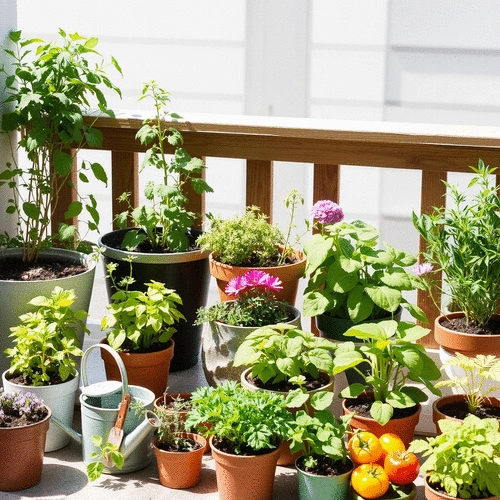
Container gardening is a fantastic way to bring greenery into small areas, making it perfect for those of us living in apartments or houses with limited outdoor space. It’s easy, fun, and offers an array of options that can transform your balcony, porch, or even a sunny windowsill into a vibrant garden! However, there are unique challenges that come with gardening in restricted spaces that we must navigate.
One of the biggest challenges is the *limited growing area*, which can restrict the variety of plants we can cultivate. Additionally, we must consider sunlight exposure, as many urban environments may have overshadowing buildings or trees. Lastly, access to resources like water and soil can also be a hurdle. But don’t worry! With a bit of creativity and the right approach, container gardening can turn these obstacles into opportunities.
Challenges of Gardening in Small Areas
Gardening in small spaces presents a few challenges that can be tricky but are definitely manageable. Here are some common issues:
- Space Restrictions: Limited square footage means you need to think smart about placement and types of plants.
- Sunlight Limitations: Tall buildings or trees may block sunlight, impacting plant growth.
- Maintenance Difficulty: Smaller gardens can often require more frequent attention due to their limited resources.
By understanding these challenges, we can better prepare ourselves to create a thriving garden in limited spaces. With the right strategies, we can overcome these hurdles and embrace the joy of container gardening! For more inspiration on working with limited spaces, check out our guide on best shrubs for small gardens.
Why Container Gardening is Ideal for Apartments and Balconies
Container gardening is particularly suited for apartment dwellers and balcony gardeners alike. It offers flexibility and accessibility, allowing you to customize your space to fit your lifestyle and preferences. Here are some reasons why container gardening is a great fit:
- Mobility: Containers can easily be moved to take advantage of sunlight or to redesign your space.
- Minimal Space Requirements: You don’t need a large yard; small pots can hold vibrant plants!
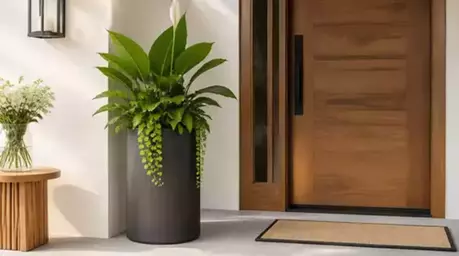
- Decorative Appeal: Choose beautiful containers that enhance your outdoor decor while you garden.
With container gardening, you get to express your creativity while cultivating your green thumb! Just picture yourself enjoying a cup of coffee on your balcony surrounded by colorful blooms and fresh herbs. It’s delightful!
Urban Gardening as a Solution for Limited Space
Urban gardening is not just a trend; it’s a wonderful way to connect with nature, even in the hustle and bustle of city life. It involves utilizing every nook and cranny, from balconies to rooftops, ensuring that no space is wasted! Here’s why it’s a fantastic solution:
- Community Building: Urban gardening encourages networking with neighbors who share a passion for plants.
- Environmental Benefits: Green spaces help improve air quality and provide habitats for local wildlife.
- Personal Satisfaction: Growing your own plants can bring a sense of accomplishment and joy!
As the founder of Garden Plan Guide, I love seeing how urban gardening empowers individuals to create lush sanctuaries in otherwise unwelcoming environments. It's all about maximizing what you have and enjoying the rewards of your hard work!
Interactive Poll: What's Your Container Gardening Goal?
As you embark on your container gardening journey, we’d love to know: What is your primary goal for your container garden? Choose one of the options below:
Enhancing Your Container Gardening Experience
Container gardening can be a delightful venture, especially when you discover some creative ways to elevate your experience! As a passionate garden enthusiast, I’ve experimented with various methods to maximize every square inch of my small outdoor spaces. With a little imagination and resourcefulness, you can easily transform your container garden into a thriving oasis.
One of the best ways to kickstart your gardening journey is by using budget-friendly DIY container options. You don’t need to break the bank to create stunning planters! Here are some ideas to consider:
- Repurpose old buckets or tubs for a rustic look.
- Use wooden crates or pallets for a charming farmhouse style.
- Turn tin cans into quirky planters—just remember to punch drainage holes!
These simple, low-cost options not only look great but also allow you to express your creativity while contributing to sustainable practices. For more ideas on maximizing your green space, consider elevating your garden with raised beds.
Pest Control Strategies Beyond Companion Planting
Pests can be a gardener’s worst nightmare, especially in confined spaces. While companion planting is a fantastic strategy, there are several other methods I’ve found effective. First, keeping a close eye on your plants allows you to spot issues before they escalate. Let’s dive into some additional pest control strategies that might work for you:
- Use neem oil or insecticidal soap as organic treatments.
- Introduce beneficial insects like ladybugs or lacewings.
- Set up physical barriers such as row covers or mesh.
By integrating these approaches, you can enjoy a healthy container garden free from pesky invaders.
Exploring Gardening Tools for Container Care
Having the right tools at your disposal can make all the difference in your container gardening experience. I’ve found that investing in a few essential tools can save you time and effort while tending to your plants. Here’s a list of must-have gardening tools that every container gardener should consider:
- A hand trowel for easy digging and planting.
- Pruning shears to keep your plants healthy and tidy.
- A watering can with a long spout for precise watering.
- Garden gloves to protect your hands while working.
With these tools, you’ll be well-equipped to care for your container garden effectively!
Engaging with the Gardening Community
One of the best parts of gardening is the sense of community that surrounds it. By joining forces with fellow gardening enthusiasts, you can share experiences, tips, and inspiration. For those of us who love container gardening, engaging with the community can be incredibly rewarding!
Consider reaching out for expert insights and testimonials from others who have succeeded with container gardening. Here are some ways to connect:
- Participate in local gardening forums or social media groups.
- Attend workshops or webinars focused on container gardening.
- Follow gardening blogs or YouTube channels for fresh ideas and advice.
These connections not only provide valuable knowledge but also allow you to share your journey and learn from others. For more ideas on how to build your green space, consider a beginner's guide to garden layout.
Resources for Further Learning and Support
With the vast amount of information available today, it’s easier than ever to enhance your container gardening skills. Books, online courses, and articles can be fantastic resources for deepening your understanding. Below are some key resources to explore:
- Books about container gardening techniques and plant care.
- Online gardening courses that cover everything from soil types to pest management.
- Local gardening clubs that offer workshops and meetups.
Remember, there’s always something new to learn, and every gardener's journey is unique!
Joining Gardening Clubs and Workshops for Container Gardening
If you’re looking to immerse yourself in the gardening world, joining a gardening club can be a game-changer! Not only do clubs provide a great way to meet like-minded individuals, but they often host workshops that focus on container gardening techniques. Here are some benefits of joining a club:
- Access to hands-on training from experienced gardeners.
- Opportunities to share your garden’s progress and receive feedback.
- Invitations to plant swaps or community garden events.
Being part of a gardening community can inspire you to try new things and take your container gardening to the next level!
Summary of Container Gardening Ideas for Limited Spaces
In summary, container gardening offers a fantastic way to cultivate plants even in limited spaces. With the right techniques, plant selections, and community engagement, you can create a thriving garden that reflects your personal style. Remember to experiment with different ideas and approaches as you embark on your gardening journey.
So, are you ready to dive in? I encourage you to share your gardening experiences, ask questions, and inspire others along the way. Together, let’s turn our limited spaces into beautiful, green havens! If you're interested in more green additions, take a look at decorative trees for small gardens.
Recap of Key Points
Here is a quick recap of the important points discussed in the article:
- Overcome Space Limitations: Utilize smart placement and choose plants that thrive in confined areas.
- Maximize Sunlight Exposure: Arrange containers to capture the most sunlight, considering nearby obstacles.
- DIY Container Options: Get creative by repurposing items like buckets and tin cans for unique planters.
- Pest Control Strategies: Monitor plants closely and use organic treatments or beneficial insects to manage pests.
- Essential Gardening Tools: Equip yourself with a hand trowel, pruning shears, and gloves for effective plant care.
- Engage with the Community: Join gardening clubs and online forums to share experiences and gain insights.
- Continuous Learning: Explore books, online courses, and local clubs to enhance your gardening knowledge.
Frequently Asked Questions (FAQs)
What are the main challenges of container gardening in small spaces?
The main challenges include limited growing area, restricted sunlight exposure due to buildings or trees, and the need for more frequent maintenance due to limited resources in containers.
Why is container gardening ideal for apartments and balconies?
Container gardening offers mobility, minimal space requirements, and decorative appeal, making it perfect for apartments and balconies. You can easily move containers to optimize sunlight or redesign your space.
What are some budget-friendly DIY container options?
You can repurpose old buckets, tubs, wooden crates, pallets, or even tin cans as planters. Just ensure they have proper drainage holes.
What pest control strategies can I use besides companion planting?
Effective strategies include using organic treatments like neem oil or insecticidal soap, introducing beneficial insects (e.g., ladybugs), and setting up physical barriers like row covers.
What essential tools do I need for container gardening?
Key tools include a hand trowel for digging, pruning shears for plant maintenance, a watering can with a long spout for precise watering, and garden gloves to protect your hands.
How can I engage with the gardening community?
You can engage by participating in local gardening forums or social media groups, attending workshops or webinars, following gardening blogs or YouTube channels, and joining local gardening clubs.