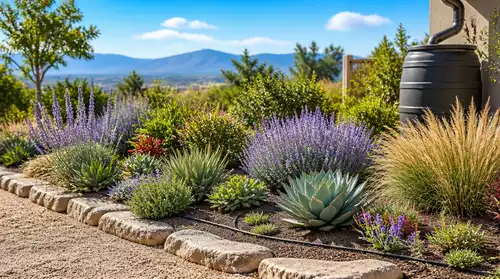
In a world where water scarcity is becoming increasingly common, the concept of a water-wise garden is not just a trend; it’s a necessity. By adopting these sustainable practices, not only can you create a beautiful outdoor space, but you can also contribute to conserving our planet's precious resources.
What You Will Learn
- The significance of water-wise gardening in combating climate change and reducing utility costs.
- Key factors to consider before starting your water-wise garden, including climate and soil conditions.
- Best practices for maintaining your garden across different seasons to ensure sustainability.
- Common mistakes to avoid that can hinder your garden's health and efficiency.
- Effective techniques for promoting long-term growth, such as mulching and companion planting.
- Resources available for planning and designing your garden layout effectively.
- Ways to engage with the gardening community to share knowledge and successes.
Key Practices for Maintaining a Water-Wise Garden
Here are essential practices to ensure the longevity and health of your water-wise garden, helping you maintain a vibrant and sustainable outdoor space. For more tips on creating an appealing garden, consider plants that boost curb appeal.
Mulching
Use organic mulch to retain moisture, suppress weeds, and improve soil health.
Companion Planting
Pair plants that benefit each other, enhancing growth and pest resistance.
Regular Weeding
Keep your garden tidy and reduce competition for nutrients and water.
Seasonal Inspections
Regularly check for signs of stress or disease in your plants.
Understanding the Foundation of a Water-Wise Garden
Creating a water-wise garden is more important than ever, especially in the face of climate change. As a passionate garden enthusiast, I've seen firsthand the positive impact of efficient water usage on both the environment and my garden’s health. By understanding the fundamentals of a water-wise garden, we can conserve water while still enjoying the beauty of our outdoor spaces!
The Importance of Water-Wise Gardening in Today’s Climate
Water-wise gardening is about making smart choices that benefit both your garden and the planet. With changing climate patterns leading to more frequent droughts, shifting our gardening practices can help us adapt. Not only does this approach save water, but it also creates a resilient garden that thrives with less intervention.
Moreover, using drought-resistant plants and efficient watering methods can significantly reduce your water bills! Here are a few reasons why you should consider water-wise gardening:
- Conserves water and reduces utility costs
- Supports local wildlife and biodiversity
- Reduces the need for chemical fertilizers and pesticides
- Creates a sustainable garden that adapts to climate conditions
What You Need to Know Before You Start Planning
Before diving into your water-wise garden project, there are a few key considerations. First, understanding your local climate and soil conditions will set the foundation for success. I recommend taking the time to assess your space and determine what plants will thrive in your environment. For guidance on getting started, explore our beginners guide to garden layout.
Next, think about your garden's layout! A well-planned garden not only conserves water but also enhances your outdoor experience. Here's a checklist of what to consider:
- Evaluate your sunlight exposure and shade areas
- Test your soil's drainage and nutrient levels
- Choose plants based on their water needs and compatibility
- Consider how you will manage irrigation and maintenance
At Garden Plan Guide, we believe that proper planning is the key to a flourishing garden. With the right knowledge and tools, you can transform your outdoor space into a thriving, water-efficient oasis! Let’s get ready to dig into the next steps!
Pro Tip
Did you know? Implementing a drip irrigation system can significantly enhance water efficiency in your garden. This method delivers water directly to the roots of your plants, minimizing evaporation and runoff. By using timers, you can automate watering schedules based on your plants' specific needs, ensuring they receive just the right amount of moisture to thrive.
Frequently Asked Questions About Water-Wise Gardening
Q: What is a water-wise garden?
A: A water-wise garden is designed to conserve water by using drought-resistant plants, efficient irrigation methods, and sustainable practices like mulching to reduce the need for supplemental watering.
Q: Why is water-wise gardening important today?
A: It's crucial for combating climate change, reducing water utility costs, supporting local biodiversity, and creating a resilient garden that thrives with less water, especially with increasing droughts.
Q: What should I consider before starting a water-wise garden?
A: Key considerations include understanding your local climate, testing soil conditions, evaluating sunlight exposure, choosing plants with compatible water needs, and planning your irrigation and maintenance strategies.
Q: What are some common mistakes to avoid in water-wise gardening?
A: Avoid overwatering, neglecting soil health, improper plant spacing, and ignoring pest management. Learning from these common pitfalls can significantly improve your gardening success.
Q: How can I maintain my water-wise garden effectively?
A: Implement a seasonal maintenance calendar, use mulching to retain moisture, practice companion planting, regularly weed, and conduct seasonal inspections to keep your garden healthy and vibrant.
Maintaining Your Water-Wise Garden: Best Practices and Tips
Once you've created your beautiful water-wise garden, the next step is ensuring it thrives through effective maintenance! Just like any other living thing, your garden needs care to flourish. With the right practices and a little planning, you can keep your plants healthy and happy while conserving water. Let's dive into some best practices that will help your garden remain sustainable and vibrant!
Creating a maintenance calendar is a great way to keep track of seasonal tasks that your garden will need. Depending on your climate, these tasks may vary, but having a clear plan can help you stay organized. Here’s a simple list to guide you through key maintenance tasks throughout the year:
- Spring: Inspect plants for pests, prune as necessary, and apply compost.
- Summer: Monitor moisture levels, adjust irrigation schedules, and mulch to retain moisture.
- Fall: Fertilize, plant fall crops, and prepare for winter by covering delicate plants.
- Winter: Plan for the next planting season and inspect tools for maintenance.
Common Mistakes to Avoid: Lessons from Experienced Gardeners
Even the most seasoned gardeners can make mistakes! Learning from these experiences is key to becoming a successful gardener. Here are some common pitfalls to watch out for:
- Overwatering: It’s easy to think more is better, but many plants do well with less water.
- Ignoring soil health: Healthy soil means healthy plants, so don’t neglect soil amendments.
- Not considering plant spacing: Plants need room to grow; overcrowding can lead to disease.
- Neglecting pest management: Regularly check for pests and diseases to address issues early.
Remember, mistakes are part of the learning process, and each error can lead to better gardening practices in the future! I learned a lot when I started my own water-wise garden at Garden Plan Guide, and now I want to share what I discovered with you. For additional sustainability efforts, consider native plants for sustainable landscaping.
Garden Maintenance Techniques for Sustainable Growth
Maintaining a water-wise garden is all about employing techniques that promote sustainability. Here are a few methods I’ve found effective over the years:
- Mulching: Use organic mulch to retain moisture, suppress weeds, and improve soil health.
- Companion planting: Pair plants that benefit each other, enhancing growth and pest resistance.
- Regular weeding: Keep your garden tidy and reduce competition for nutrients and water.
- Seasonal inspections: Regularly check for signs of stress or disease in your plants.
These techniques not only support the health of your plants but also align with the philosophy of sustainability that Garden Plan Guide embraces. By incorporating these practices into your routine, you'll set yourself up for long-term success in your water-wise gardening journey!
Visual Resources and Additional Guidance
Sometimes, a little visual aid can make all the difference when planning and maintaining your water-wise garden. Having resources at your fingertips helps you make informed decisions. Here are some helpful materials to consider:
Sample Garden Map and Hydrozone Diagram for Reference
A well-designed garden map can guide you in placing plants according to their water needs. Creating a hydrozone diagram allows you to visualize how different areas of your garden will be grouped based on water requirements. This is especially useful when planning irrigation systems!
Plant Selection Matrix by Region for Tailored Choices
Different plants thrive in different regions, so it’s essential to select varieties that work well in your area. A plant selection matrix can help you choose the best options for your climate, soil, and garden conditions. Check out resources from Garden Plan Guide for tailored choices that will flourish in your garden! You might also find our guide on plants for drought-resistant gardens particularly useful.
Landscape Design Resources and Garden Design Software
Utilizing landscape design resources can give you fresh ideas for your garden layout. Consider using garden design software to visualize your plans before you dig. Many programs allow you to experiment with different designs, plant placements, and irrigation systems, making it easier to create your dream water-wise garden.
Engaging with the Community: Sharing Success Stories
Gardening is often more enjoyable when shared with others! Connecting with fellow gardeners can provide inspiration and camaraderie. Here are some ways to engage with the gardening community:
Inviting Testimonials and Before/After Case Studies
Sharing your gardening journey with others can inspire them to start their own projects. Consider documenting your successes and challenges through testimonials and before/after photos. It’s a wonderful way to reflect on your progress and encourage others.
Connecting with Local Gardening Groups for Ongoing Support
Joining local gardening clubs or online groups can offer ongoing support. These communities often share tips, resources, and even plants! It’s a fantastic way to learn from experienced gardeners and exchange ideas.
Community Gardening as a Way to Promote Eco-Friendly Practices
Engaging in community gardening projects brings people together and promotes eco-friendly practices. These initiatives can be rewarding and provide a wonderful opportunity to make a difference in your neighborhood. Plus, you’ll gain valuable insights from fellow gardeners!
Final Thoughts on Planning Your Water-Wise Garden
As we wrap up, it’s important to remember that planning and maintaining your water-wise garden is an ongoing journey. By following the steps outlined in this article, you can create a thriving, sustainable garden that conserves water and enhances your outdoor space!
Recap of Key Steps for Effective Water-Wise Gardening
To summarize, here are key steps for maintaining your water-wise garden:
- Develop a maintenance calendar to stay organized.
- Avoid common gardening mistakes by learning from others.
- Utilize sustainable techniques for long-lasting growth.
- Access visual resources and engage with the gardening community.
Encouraging Action: Start Your Water-Wise Garden Today
Are you ready to transform your outdoor space? With the insights and practices shared here, I encourage you to dive into your water-wise gardening journey! Remember, every small step you take contributes to a more beautiful and sustainable environment. Let’s get started on creating your personal oasis today! For more inspiration, explore budget-friendly drought-tolerant garden ideas.
Recap of Key Points
Here is a quick recap of the important points discussed in the article:
- Importance of Water-Wise Gardening: Adapting gardening practices to conserve water and support local ecosystems is essential in today's climate.
- Planning Considerations: Assess sunlight, soil conditions, and choose compatible plants to create a resilient garden layout.
- Maintenance Best Practices: Develop a seasonal maintenance calendar, monitor moisture levels, and utilize mulching to enhance plant health.
- Avoid Common Mistakes: Be mindful of overwatering, soil health, plant spacing, and pest management to ensure a thriving garden.
- Sustainable Techniques: Employ methods like companion planting and regular inspections to promote sustainability in your garden.
- Community Engagement: Connect with fellow gardeners for support, share success stories, and participate in community gardening initiatives.