Did you know that incorporating native plants into your garden can significantly reduce your environmental impact while enhancing local biodiversity? As homeowners increasingly seek sustainable gardening solutions, understanding the role of native flora becomes essential for creating vibrant ecosystems right in your backyard.
What You Will Learn
- Native plants require less water, fertilizer, and pesticides, making them a sustainable choice for gardening.
- Planting a variety of native species enhances biodiversity, attracting a range of wildlife and improving ecosystem health.
- Native plants have deeper root systems that promote soil health and prevent erosion, benefiting the overall landscape.
- Xeriscaping with native plants reduces water usage, lowers maintenance needs, and saves on gardening costs.
- Incorporating native flora supports habitat restoration by providing food and shelter for local wildlife.
- Understanding your garden's unique microclimate allows you to select the best native plants for optimal growth and minimal intervention.
- Creating diverse wildlife habitats with native grasses and shrubs can foster a thriving ecosystem and enrich your gardening experience.
Key Principles of Sustainable Gardening with Native Plants
Understanding the core benefits of integrating native plants into sustainable gardening can enhance both your garden and the local ecosystem. Here’s a concise overview:
Conservation
Native plants conserve water and soil, reducing the need for chemical fertilizers.
Biodiversity
By planting a variety of species, you attract a range of wildlife, enhancing your garden's health.
Resilience
Native plants adapt to local climate changes, making them more sustainable long-term.
Support Local Wildlife
Native plants provide food and habitat for a range of species, from birds to beneficial insects.
Soil Health
They often have deeper root systems that improve soil structure and prevent erosion.
Water Efficiency
Native plants are adapted to local rainfall patterns, thus requiring less irrigation.
Understanding the Role of Native Plants in Sustainable Gardening
When it comes to creating a garden that thrives sustainably, native plants play an essential role. They are not just beautiful to look at; they are also well-adapted to your local environment. This means that they often require less water, fertilizer, and pesticides, making them a fantastic choice for any homeowner looking to enhance their outdoor space while minimizing environmental impact.
At Garden Plan Guide, we believe that sustainable gardening starts with understanding the unique characteristics of native plants. By incorporating these species into your landscaping, you not only contribute to a healthier environment but also create a vibrant ecosystem right in your backyard!
Defining Sustainable Gardening through Native Plant Landscaping
Sustainable gardening focuses on methods and practices that nurture the ecosystem while providing beauty and utility. One of the cornerstones of this approach is using native plants. These are plants that naturally grow in your region, which means they are more resilient to local pests and conditions.
Here are some key principles of sustainable gardening with native plants:
- Conservation: Native plants conserve water and soil, reducing the need for chemical fertilizers.
- Biodiversity: By planting a variety of species, you attract a range of wildlife, enhancing your garden's health.
- Resilience: Native plants adapt to local climate changes, making them more sustainable long-term.
The Importance of Native Plants for Ecological Benefits
Native plants are crucial for maintaining the balance of local ecosystems. They support wildlife, provide habitat, and help pollinators thrive. Imagine seeing butterflies and bees buzzing around your garden, all thanks to the right plant choices!
Here are some ecological benefits of incorporating native plants:
- Support Local Wildlife: Native plants provide food and habitat for a range of species, from birds to beneficial insects. For more ideas on how to attract wildlife, consider building your own rock garden.
- Soil Health: They often have deeper root systems that improve soil structure and prevent erosion.
- Water Efficiency: Native plants are adapted to local rainfall patterns, thus requiring less irrigation.
Exploring the Benefits of Xeriscaping with Native Plants
Xeriscaping is a landscaping approach that focuses on reducing water use. By integrating native plants into your xeriscape design, you can create a garden that is both beautiful and efficient. This method not only helps conserve water but also reduces maintenance time.
Here are some top benefits of using native plants in xeriscaping:
- Low Water Requirements: Native plants thrive on rainfall and need less supplemental watering.
- Reduced Maintenance: With fewer pests and diseases, you spend less time on upkeep.
- Cost Efficiency: Lower water bills and reduced maintenance costs mean more savings!
Quick Summary
Here's a brief recap of the key points discussed so far:
- Native Plants: Essential for sustainable gardening, requiring less water, fertilizer, and pesticides.
- Ecological Benefits: Support local wildlife, improve soil health, and enhance biodiversity.
- Xeriscaping Advantages: Integrating native plants reduces water use and maintenance costs.
Frequently Asked Questions About Native Plants in Sustainable Gardening
- Q: What are native plants?
- A: Native plants are species that naturally occur in a specific region or ecosystem without human introduction. They are adapted to local climate, soil, and environmental conditions.
- Q: Why are native plants beneficial for sustainable gardening?
- A: Native plants require less water, fertilizer, and pesticides because they are naturally adapted to the local environment. This reduces maintenance, conserves resources, and minimizes environmental impact.
- Q: How do native plants support local wildlife?
- A: Native plants provide essential food sources (nectar, pollen, seeds, fruits), shelter, and nesting sites for local birds, insects (especially pollinators), and other wildlife, directly supporting biodiversity.
- Q: What is xeriscaping, and how do native plants fit into it?
- A: Xeriscaping is a landscaping method focused on reducing or eliminating the need for irrigation. Native plants are ideal for xeriscaping because they are naturally drought-tolerant and thrive on local rainfall, significantly cutting down on water use.
- Q: Can native plants improve soil health?
- A: Yes, many native plants have deep root systems that help improve soil structure, increase water penetration, and prevent erosion, contributing to overall soil health.
- Q: How can I choose the right native plants for my garden?
- A: To choose the right native plants, assess your garden's microclimate, including sunlight exposure, soil type, and moisture levels. Group plants with similar needs, and consult local nurseries or extension services for species native to your specific area.
Supporting Local Ecosystems with Native Plants
When we think about gardening, it’s easy to focus on aesthetics, but the impact we can have on our local ecosystems is invaluable. By incorporating native plants into our gardens, we don’t just beautify our spaces; we also play a vital role in habitat restoration. In my own garden journey, I’ve witnessed firsthand how native flora can foster a thriving environment for both plants and wildlife!
Native plants are adapted to our local climate and conditions, making them the perfect choice for sustainable landscaping. They provide crucial habitats for local wildlife, improving biodiversity and supporting the delicate balance of our ecosystems. Let’s dive into how we can utilize these plants effectively to make a positive impact!
The Role of Native Flora in Habitat Restoration
One of the most significant contributions of native plants is their role in habitat restoration. These plants help recreate natural environments, allowing local wildlife to flourish. Here are some of the ways native flora supports habitat restoration:
- Providing food sources: Native plants offer fruits, seeds, and nectar that sustain local animals and insects.
- Preventing erosion: Their deep root systems stabilize soil, reducing erosion and promoting healthy landscapes.
- Encouraging biodiversity: Native plants attract a variety of beneficial insects, birds, and mammals that contribute to ecological balance.
By planting native flora, we not only enhance our gardens but also contribute to restoring natural habitats that have been diminished over time. It’s a small step that leads to a significant impact!
Microclimate Adaptation: Tailoring Gardens to Local Conditions
Gardening with native plants allows us to take advantage of the unique microclimates present in our own backyards. Each space has its own specific conditions that can influence plant growth. By understanding these conditions and selecting suitable native plants, we can create inviting spaces that thrive with minimal intervention. This approach is similar to selecting low-maintenance landscaping plants.
Here are a few tips to consider when tailoring your garden:
- Assess sunlight: Observe how sunlight travels through your garden throughout the day and choose plants that align with these patterns.
- Evaluate soil types: Different native plants thrive in different soil types; testing your soil can help you make informed decisions.
- Consider moisture levels: Group plants based on their water needs to ensure they get the right amount without excessive watering.
Taking the time to adapt your garden to its specific microclimate can lead to healthier, happier plants and a more vibrant ecosystem.
Creating Wildlife Habitats with Native Grasses and Shrubs
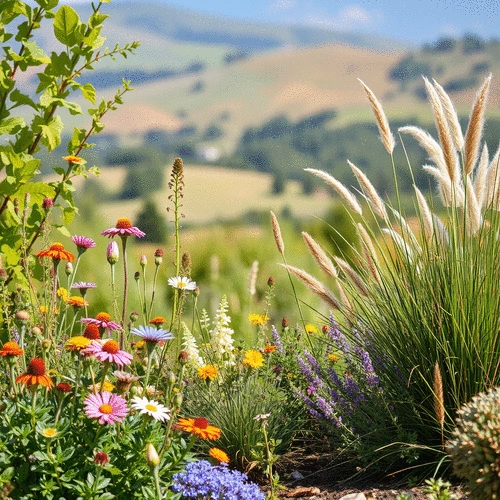
Have you ever thought about how your garden can serve as a sanctuary for local wildlife? Incorporating native grasses and shrubs is an excellent way to create habitats that support birds, butterflies, and beneficial insects. I love watching the variety of life that visits my garden, and it all starts with the right plant choices!
Here are some essential elements to consider when designing wildlife habitats with native plants:
- Choose diverse plant varieties: A mix of grasses, shrubs, and flowering plants can attract various species and create a rich habitat. You might also consider ornamental grasses for your garden.
- Include nesting materials: Native shrubs can provide cover and nesting sites for birds, while grasses offer shelter for small animals.
- Incorporate water sources: Add a small water feature or birdbath to provide hydration for visiting wildlife.
Creating a wildlife habitat not only enriches your garden experience but also supports the local ecosystem, allowing you to feel more connected to nature.
Recap of Key Points
Here is a quick recap of the important points discussed in the article:
- Native Plants: They are well-adapted to local environments, requiring less water, fertilizer, and pesticides.
- Sustainable Gardening Principles: Focus on conservation, biodiversity, and resilience by incorporating native plants into landscaping.
- Ecological Benefits: Native plants support local wildlife, enhance soil health, and improve water efficiency.
- Xeriscaping Advantages: Native plants are ideal for xeriscaping, reducing water use and maintenance needs.
- Habitat Restoration: Native flora plays a crucial role in restoring habitats and improving biodiversity.
- Microclimate Adaptation: Tailor plant selections to local conditions such as sunlight, soil types, and moisture levels for optimal growth.
- Wildlife Habitats: Use diverse native plants, nesting materials, and water sources to create inviting habitats for local wildlife.