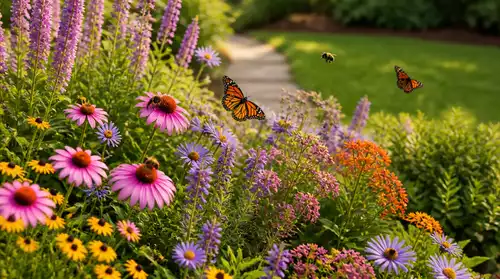
Did you know that creating a pollinator habitat in your garden not only beautifies your space but also plays a vital role in supporting our ecosystem? Pollinators like bees and butterflies are essential for the reproduction of plants, which is crucial for food production and biodiversity. By integrating pollinator-friendly plants into your landscape, you contribute to a healthier environment and a more vibrant garden. Let's explore the key takeaways from this essential gardening guide!
What You Will Learn
- Understanding the significance of pollinator-friendly plants, which provide vital nectar and pollen for species like bees and butterflies.
- The importance of choosing native plants that are well-adapted to your area's climate and soil, ensuring a vibrant and sustainable ecosystem.
- Regional recommendations for native plants that attract pollinators, such as Purple Coneflower in the Eastern U.S. and California Poppy in the Western U.S.
- The benefits of biodiversity in your garden, including enhanced resilience against pests, improved soil health, and essential ecosystem services.
- Tips for selecting the right plants based on your garden's specific conditions, such as sunlight and soil moisture.
- Creative solutions for establishing pollinator habitats in small spaces, such as container gardening and vertical gardening techniques.
- The advantages of community gardens, which foster collaboration among gardeners to enhance pollinator habitats and share resources.
- Best practices for responsible gardening, including avoiding harmful pesticides and managing invasive species to protect pollinators.
- Resources and further reading opportunities for aspiring pollinator gardeners, including native plant societies and extension services.
Regional Plant Recommendations for a Thriving Pollinator Ecosystem
Explore native plants suitable for various regions that can enhance your garden's biodiversity:
Eastern U.S.
Purple Coneflower, Butterfly Weed
Western U.S.
California Poppy, Western Bluebell
Midwestern U.S.
Prairie Blazing Star, Wild Bergamot
Southern U.S.
Coral Honeysuckle, Swamp Milkweed
Creating a Vibrant Pollinator Habitat in Your Home Landscape
Creating a pollinator habitat in your garden is not just a beautiful endeavor; it's a crucial step towards supporting our ecosystem! Pollinators like bees, butterflies, and birds play a significant role in helping plants reproduce, which is essential for food production and biodiversity. By incorporating pollinator-friendly plants into your home landscape, you're not only enhancing your garden's beauty but also making a positive impact on the environment. For more ideas on enhancing your outdoor space, explore plants that boost curb appeal.
Understanding Pollinator-Friendly Plants and Their Importance
Pollinator-friendly plants are specifically chosen for their ability to attract and provide food for various pollinators. These plants produce nectar and pollen, which are vital for the survival of species like honeybees and native bees. Imagine looking out your window and seeing colorful butterflies fluttering around your flowers while bees buzz happily! This lively scene is what we aim for in a pollinator-friendly garden.
It's essential to understand that many common garden plants are not well-suited for pollinators. Therefore, selecting the right varieties is crucial. When you choose plants that are native to your area, you're ensuring that they're well-adapted to the local climate, soil, and wildlife. This means less work for you in the long run and a more vibrant ecosystem!
Identifying Native Plants for Pollinators by Region
Choosing native plants is key to creating a successful pollinator garden. Each region in the United States has its own unique USDA zones and ecoregions, which dictate the types of plants that thrive in those areas. By selecting native species, such as milkweed or bee balm, you're providing habitat for local pollinators that rely on these plants for food and shelter.
Researching your area's native plants can help you make informed decisions about what to plant. Not only are these plants more resilient, but they also support local wildlife, making your garden a sanctuary for birds and beneficial insects. Trust me, it’s rewarding to see how your efforts help nature flourish! If you're looking for more sustainable options, consider native plants for sustainable gardens.
Regional Plant Recommendations for a Thriving Pollinator Ecosystem
Here are some native plants suitable for various regions that can enhance your garden's biodiversity:
- Eastern U.S.: Purple Coneflower, Butterfly Weed
- Western U.S.: California Poppy, Western Bluebell
- Midwestern U.S.: Prairie Blazing Star, Wild Bergamot
- Southern U.S.: Coral Honeysuckle, Swamp Milkweed
By planting these native species, you not only beautify your space but also create a thriving ecosystem that supports a variety of pollinators. Each bloom is a beacon of hope for these creatures, helping them find food and shelter in a world that often lacks both!
Benefits of Biodiversity in Pollinator Gardens
A diverse range of plants in your garden is essential for attracting various pollinator species. Different pollinators have unique preferences when it comes to nectar and pollen, so offering a variety of plants can help support a more extensive range of these crucial insects and birds. This diversity enhances the resilience of your garden, making it less susceptible to pests and diseases!
Additionally, a biodiverse garden contributes to essential ecosystem services, such as soil health and water retention. Healthy gardens can help combat erosion and filter pollutants, creating a cleaner environment. It's amazing to think that by simply choosing the right plants, we can foster life, beauty, and sustainability in our own backyards!
Quick Summary
Here's a brief recap of the key points discussed so far:
- Creating a pollinator habitat enhances biodiversity and supports essential pollinators like bees and butterflies.
- Choosing native plants tailored to your region is crucial for attracting local pollinators.
- A diverse plant selection in your garden increases resilience against pests and diseases while supporting a wider range of pollinator species.
Addressing Common Questions about Pollinator-Friendly Plants
How to Choose the Right Plants for Your Specific Conditions?
Choosing the right plants for your pollinator garden can feel tricky, but it doesn't have to be! Start by assessing your garden’s specific conditions, such as sun exposure and soil moisture. This will help you select plants that will thrive and attract those all-important pollinators.
It's essential to understand that different plants have unique needs. For instance, some plants prefer full sun while others thrive in partial shade. Additionally, consider your soil's drainage capabilities; some plants love wet soil, while others prefer dry conditions. Here's a quick checklist to help you:
- Sunlight: Full sun (6+ hours), partial shade (3-6 hours), or full shade (<3 hours).
- Soil Moisture: Dry, average, or wet conditions.
- Soil Type: Sandy, clay, loamy, or rocky.
Container Gardens and Small Yards: Tips for Urban Pollinator Spaces
If you're working with limited space, don't worry! You can still create a vibrant pollinator habitat even in a container garden or small yard. Start by choosing a few key plants that attract pollinators, such as lavender, chives, and marigolds. These options not only look lovely but also provide food for bees and butterflies.
Here are some practical tips for optimizing your small spaces:
- Use vertical gardening techniques, like hanging planters or wall-mounted pots.
- Mix flowers with herbs to maximize productivity and beauty.
- Ensure containers have good drainage and are placed in sunny spots.
By following these tips, you can create a delightful spot for pollinators that fits right into your urban lifestyle! For more ideas on maximizing small spaces, read about container gardening for small spaces.
Community Gardens: A Collaborative Approach to Pollinator Protection
Community gardens are a fantastic way to enhance pollinator habitats while building connections with fellow gardeners! By working together, we can share resources and knowledge, ultimately fostering a healthier environment for our buzzing friends. Not only do these gardens provide a variety of plants, but they also create a sense of community and shared responsibility.
Here are some benefits of participating in or starting a community garden focused on pollinators:
- Access to diverse plant species that attract different pollinators.
- Shared expertise and skills among gardeners.
- Collective efforts to manage weeds and pests organically.
So, if you haven’t considered joining a community garden, I highly encourage you to look into it! You’ll be amazed at the connections you’ll make and the positive impact you’ll have on local pollinator populations.
Concluding Thoughts on Building a Sustainable Future for Pollinators
Encouraging Responsible Gardening Practices to Protect Pollinators
As we embark on this journey of creating pollinator-friendly gardens, it’s crucial to adopt responsible gardening practices. Avoiding pesticides is a must, as these chemicals can harm not only harmful pests but also the pollinators we want to attract. I’ve seen the difference it makes when gardeners opt for organic methods!
Additionally, managing invasive species is essential for maintaining a healthy ecosystem. These plants can choke out native species, reducing the food sources available for our beloved pollinators. When planning your garden, consider how you can manage and remove any invasive plants. To ensure a thriving garden, it's also important to understand selecting low-maintenance landscaping plants.
Taking Action: Resources and Further Reading for Aspiring Pollinator Gardeners
If you're excited about diving deeper into pollinator gardening, there are plenty of resources out there! I recommend checking out local gardening guides that focus on native plants suitable for your region. Here are a few to get you started:
- Native Plant Societies: Great for region-specific planting guides.
- Extension Services: Many universities provide free resources on pollinator gardening.
- Online forums: Connect with other gardeners and share experiences!
With these resources at your fingertips, you’ll be well on your way to creating a beautiful and sustainable haven for pollinators.
Educational Resources and Workshops to Foster Pollinator-Friendly Practices
Lastly, consider joining local gardening groups or workshops that focus on sustainable gardening practices. These gatherings are fantastic opportunities to meet fellow gardening enthusiasts and learn from experienced gardeners. Many organizations host events that teach you about creating pollinator habitats, and you might even find one in your neighborhood!
Whether you’re digging into your first garden or looking to expand your existing one, embracing these practices can significantly impact our pollinator populations. Together, we can create stunning environments that support life and beauty. Let’s get growing!
Recap of Key Points
Here's a quick recap of the important points discussed in the article:
- Incorporate pollinator-friendly plants to enhance your garden's beauty and support local ecosystems.
- Choose native plants suited to your region to provide food and habitat for local pollinators.
- A diverse range of plants is essential to attract various pollinator species and enhance garden resilience.
- Assess your garden's specific conditions, including sunlight and soil moisture, to select appropriate plants.
- Utilize container gardening and vertical techniques to create pollinator habitats in small spaces.
- Participate in community gardens to share resources and foster a collaborative approach to pollinator protection.
- Adopt responsible gardening practices by avoiding pesticides and managing invasive species.
- Utilize local resources, guides, and workshops to deepen your knowledge and skills in pollinator gardening.