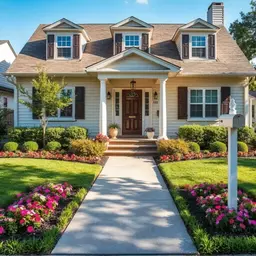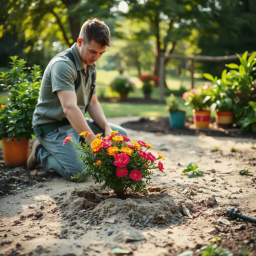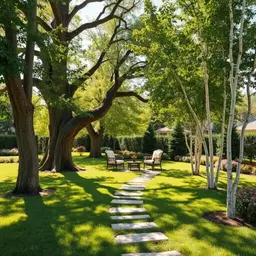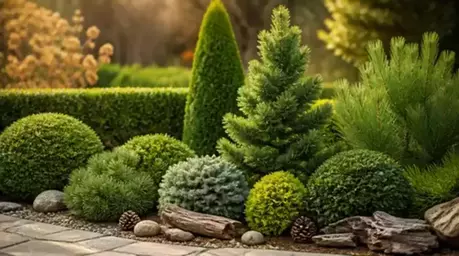
Transforming your garden into a beautiful oasis doesn’t have to consume all your free time. With the right strategies, busy homeowners can enjoy the splendor of nature without the burden of constant maintenance. Ready to simplify your landscaping?
What You Will Learn
- The importance of low-maintenance landscaping for busy lifestyles.
- How to select native plants that thrive with minimal care.
- The benefits of incorporating hardscaping elements to reduce lawn areas.
- The advantages of automated irrigation systems for efficient watering.
- Design tips for blending functionality with beauty in your landscape.
- Why planting perennials offers lasting beauty with less effort.
- Regular seasonal maintenance practices to keep your garden in order.
- Resources for further support and guidance in your landscaping journey.
Key Strategies for Low-Maintenance Landscaping
Here are the essential strategies to create a beautiful garden with minimal upkeep.
Choose Native Plants
Native plants require less water and care while supporting local wildlife.
Incorporate Hardscaping
Elements like patios and paths reduce grassy areas, minimizing lawn maintenance.
Automate Irrigation
Set up automated systems to streamline watering and save time.
Regular Seasonal Maintenance
Conduct seasonal tasks to keep gardens in order with minimal effort.
Efficient Landscaping Strategies for Busy Homeowners
As a busy homeowner, finding time to maintain a garden can feel like a daunting task. Between work, family commitments, and everyday life, who has the time to spend hours trimming hedges or weeding flower beds? That’s where efficient landscaping strategies come into play! With the right approach, you can cultivate a beautiful outdoor space that requires minimal upkeep and allows you to enjoy your garden without the stress.
Low-maintenance landscaping is essential for those of us who love our homes but have limited time. By implementing smart strategies, it’s possible to create an inviting garden that doesn’t demand constant attention. Imagine stepping out into your yard, greeted by colorful blooms and lush greenery, all while knowing that you’ve put systems in place to keep maintenance efforts to a minimum! For more ideas on how to enhance your home's exterior, read our guide on enhancing curb appeal with trees.
Understanding the Need for Low-Maintenance Landscaping
Busy lifestyles often lead to neglected gardens, which can be frustrating for homeowners who want their outdoor spaces to shine. The constant battle against weeds, overgrown plants, and high water usage can quickly become overwhelming! That’s why low-maintenance landscaping is not just a trend; it’s a necessity for many.
By prioritizing efficient landscaping techniques, you can save precious time and energy. It’s all about focusing on elements that look great but require less care. Picture yourself enjoying a weekend barbecue rather than battling unruly shrubs! With the right strategies, you can achieve that balance.
- Opt for low-maintenance plants that thrive in your climate.
- Incorporate hardscaping elements like patios and paths to reduce grassy areas.
- Set up automated irrigation systems to streamline watering.
Identifying Key Elements of Low-Maintenance Landscaping
To create a landscape that works for you, focus on a few key elements that can significantly reduce upkeep. First, consider using native plants; they’re adapted to your local environment and often require less water and care. This not only saves time but also supports local wildlife, which is a win-win! Learn more about native plants for sustainable gardens.
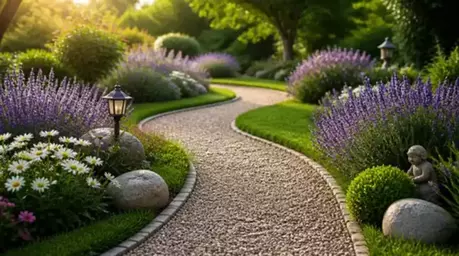
Next, integrate hardscaping features like pathways, patios, and retaining walls. These elements not only add visual interest but also minimize the need for lawn maintenance. Plus, they can create defined spaces in your garden, making it easier to navigate!
- Native plants: Low water and care requirements.
- Hardscaping: Creates structure and reduces grassy areas.
- Automated irrigation systems: Save time on watering.
Landscape Design for Busy Homeowners
When designing your landscape, think about how you can blend aesthetics with low-maintenance features. Begin by sketching a layout that emphasizes functionality alongside beauty. For instance, consider using raised garden beds which can be tailored to your preferred height, making gardening easier and more accessible!
Additionally, think about planting perennials. Unlike annuals, they return year after year, providing consistent beauty with far less effort. Imagine planting once and enjoying their blooms for many seasons to come! Incorporating a mix of textures and colors will ensure your garden remains vibrant while requiring minimal upkeep. For more tips on crafting your garden's look, check out our guide on a beginner's guide to garden layout.
- Plan for functionality: Create paths and defined areas.
- Use perennials for lasting beauty.
- Incorporate various textures to add interest.
At Garden Plan Guide, I’m passionate about helping homeowners like you find joy in gardening without the constant hassle. Remember, a little planning can transform your outdoor space into a low-maintenance oasis that fits seamlessly into your busy lifestyle!
Pro Tip
Did you know? Incorporating mulch in your garden can drastically reduce the need for weeding and watering. By applying a layer of organic mulch around your plants, you not only suppress weeds but also retain moisture in the soil, making it an excellent low-maintenance landscaping choice!
Frequently Asked Questions About Low-Maintenance Landscaping
Q1: What are native plants and why are they good for low-maintenance landscaping?
Native plants are species that naturally occur in a particular region. They are excellent for low-maintenance landscaping because they are already adapted to the local climate, soil conditions, and rainfall. This means they require less watering, fertilizing, and pest control compared to non-native plants, saving you time and resources.
Q2: How can hardscaping help reduce garden maintenance?
Hardscaping refers to non-living elements in your landscape, such as patios, pathways, decks, and retaining walls. By incorporating hardscaping, you can reduce the amount of lawn or garden beds that require regular upkeep like mowing, weeding, and planting. This creates defined, low-maintenance areas that add structure and beauty with minimal effort.
Q3: What are the benefits of an automated irrigation system?
Automated irrigation systems, like drip systems or sprinklers with timers, streamline the watering process. They ensure plants receive the right amount of water at optimal times, preventing over- or under-watering. This saves you time and effort, conserves water by reducing waste, and promotes healthier plant growth.
Q4: Why should I choose perennials over annuals for a low-maintenance garden?
Perennials are plants that live for more than two years, often returning year after year from their rootstock. Unlike annuals, which complete their life cycle in one growing season and need to be replanted each year, perennials offer lasting beauty with significantly less effort. You plant them once, and they continue to provide blooms and foliage for many seasons, making them ideal for a low-maintenance approach.
Q5: What are some simple seasonal maintenance practices for a low-maintenance garden?
Simple seasonal maintenance includes tasks like applying mulch in spring to suppress weeds and retain moisture, pruning plants as needed to maintain shape and health, and cleaning up fallen leaves in the fall. These regular, targeted efforts prevent bigger problems down the line and keep your garden looking tidy without constant attention.
Recap of Key DIY Landscaping Strategies for Busy Homeowners
As we wrap up our discussion on DIY landscaping strategies for busy homeowners, it's clear that a little planning can go a long way! We’ve explored how to create an efficient and beautiful garden space without overwhelming your schedule. By prioritizing low-maintenance landscaping, you can enjoy your outdoor space while minimizing the upkeep.
Remember, the key strategies include:
- Choosing the right plants, especially native and drought-tolerant varieties.
- Utilizing hardscaping to reduce the area that needs constant care.
- Implementing automated solutions like smart irrigation systems and robotic mowers.
- Regular seasonal maintenance practices to keep everything in order.
These elements not only save you time but also contribute to a stunning landscape that you can be proud of. At Garden Plan Guide, we believe that everyone deserves to enjoy a beautiful garden without the burden of constant labor! For further insights into practical landscaping, consider these simple front yard landscaping plans.
Encouraging Action and Engagement
Now that you're armed with these effective tips, why not give them a try? I encourage you to take action and implement one or two strategies in your own garden. Gardening can be a rewarding experience, and I’d love to hear about your journey!
Share your thoughts in the comments below, or feel free to ask any questions you may have. Have you discovered any low-maintenance techniques that worked well for you? Your insights could inspire others in our gardening community!
Further Resources for Landscaping Maintenance
If you’re looking for additional support, I’m here to help! Here are some fantastic resources that can guide you in your landscaping journey:
- Native Plants Guide - Discover the best plants for your region!
- DIY Tutorials - Step-by-step guides for easy projects.
- Local Gardening Groups - Connect with fellow gardening enthusiasts.
These resources are designed to empower you as you embark on your landscaping adventures. At Garden Plan Guide, I’m dedicated to providing you with the tools and knowledge you need to succeed!
Final Thoughts on Simplifying Landscaping Maintenance
In conclusion, achieving a stunning outdoor space doesn’t have to be a struggle. With the right strategies, you can create a landscape that remains beautiful and manageable, fitting seamlessly into your busy lifestyle. Gardening should be a source of joy, not a chore! Explore more ideas for low-maintenance plants for gardens to make your outdoor space even more enjoyable.
So, embrace the balance between beauty and ease. Remember, every small step counts toward creating your dream garden. Now, go ahead and transform your outdoor space into a haven where you can relax and unwind!
Recap of Key Points
Here is a quick recap of the important points discussed in the article:
- Prioritize low-maintenance plants, such as native and drought-tolerant varieties, to reduce care requirements.
- Incorporate hardscaping elements like pathways and patios to minimize grassy areas and enhance structure.
- Set up automated irrigation systems for efficient watering, saving time on maintenance.
- Focus on functionality in landscape design by creating defined spaces and using raised garden beds for easier access.
- Choose perennials for lasting beauty and a vibrant garden with minimal effort.